Long-term opioid use can crash testosterone and disrupt menstrual cycles, leading to sexual dysfunction in most users. Learn how opioids affect hormones, what doctors should be doing, and how to get help.
Read more
Long-term opioid use can crash testosterone and disrupt menstrual cycles, leading to sexual dysfunction in most users. Learn how opioids affect hormones, what doctors should be doing, and how to get help.
Read more
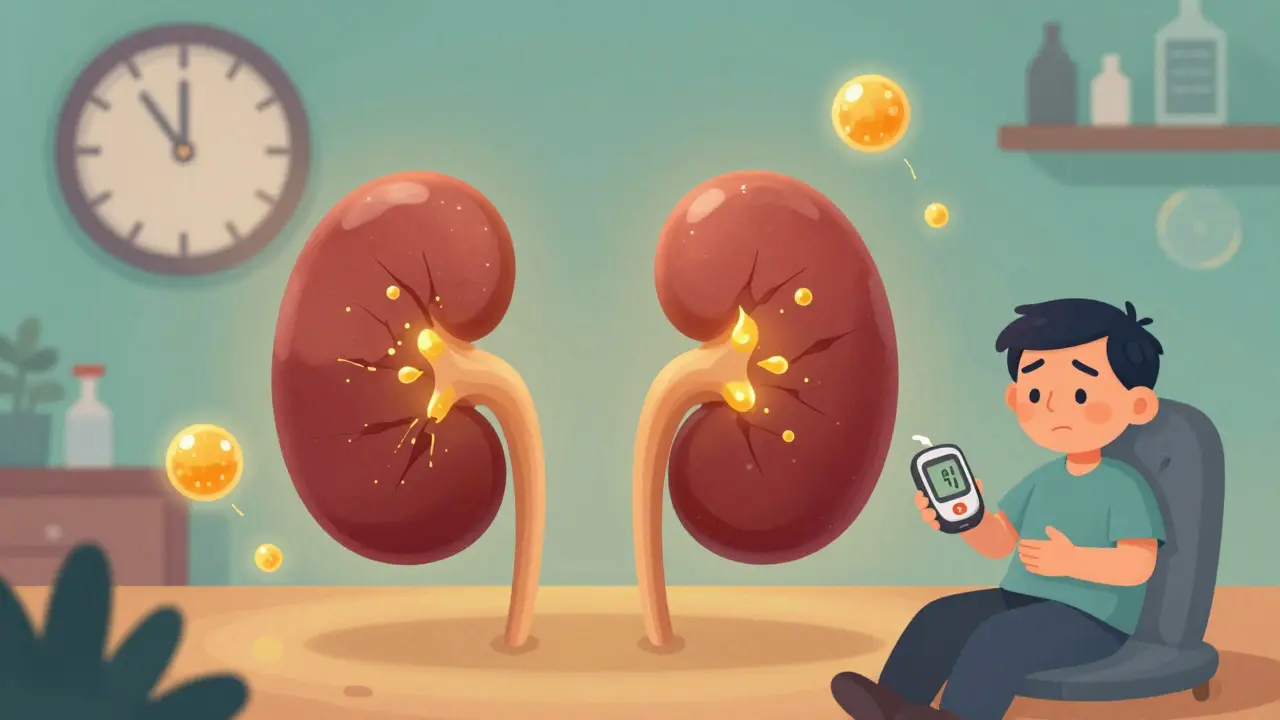
Diabetes, hypertension, and glomerulonephritis cause over 80% of kidney failure cases. Learn how each damages kidneys, the signs to watch for, and what treatments actually work to stop progression.
Read more
Gallstones, cholangitis, and ERCP are key parts of biliary disease. Learn how stones form, why infections happen, how ERCP saves lives, and when surgery is-or isn't-the right choice.
Read more
In 2025, the FDA has dramatically increased the speed and scope of its safety alerts - from hidden drugs in supplements to lead in cookware and early warnings on faulty medical devices. Here’s what you need to know to stay safe.
Read more
Learn essential safety tips and activity guidance for home oxygen therapy to prevent fires, manage equipment, and stay active. Critical advice for COPD and lung disease patients.
Read more
Noise-induced hearing loss is permanent but preventable. Learn how workplace noise damages hearing, why earplugs aren't enough, and what real solutions work in construction, mining, and manufacturing.
Read more
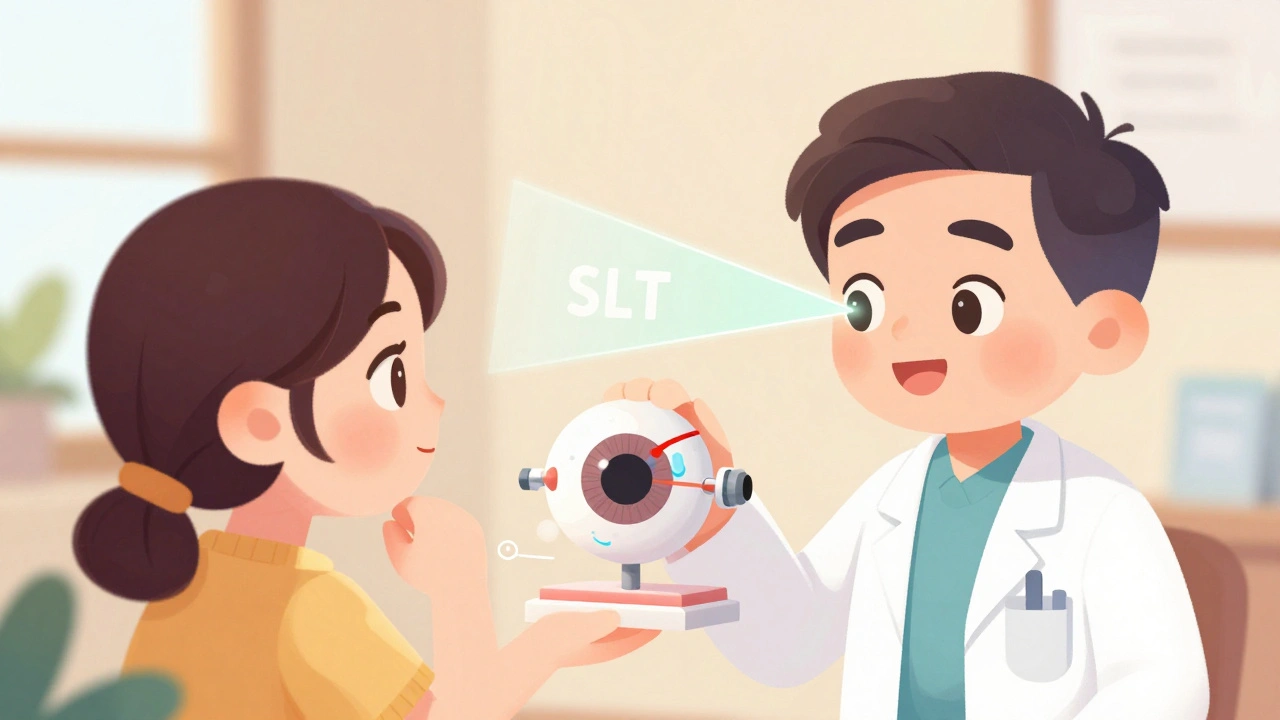
Trabeculectomy and MIGS are two main glaucoma surgeries that lower eye pressure to prevent vision loss. Trabeculectomy works better for advanced cases but has higher risks. MIGS is safer and faster, ideal for early to moderate glaucoma. SLT laser is now the first-line treatment.
Read more
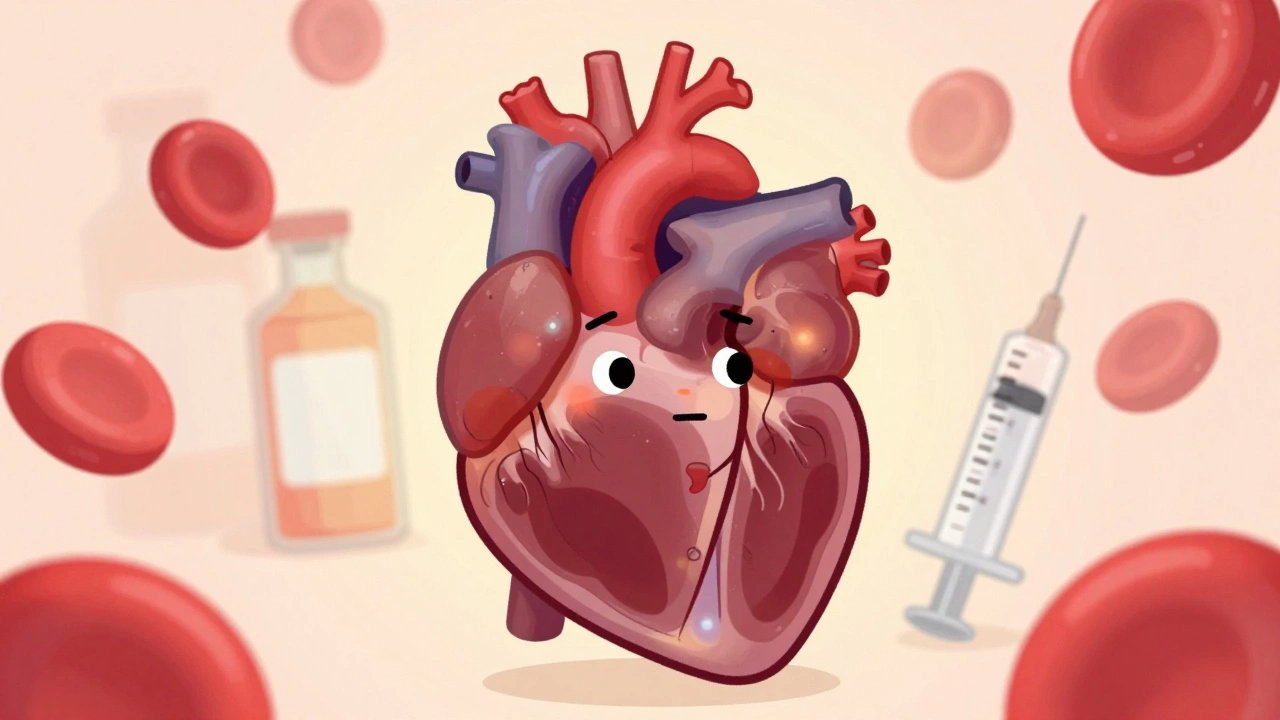
Dilated, hypertrophic, and restrictive cardiomyopathy are three distinct heart muscle diseases with different causes, symptoms, and treatments. Learn how they differ, what tests confirm them, and how modern therapies are changing outcomes.
Read more
Learn how to tell the difference between a real MS relapse and a pseudorelapse, what triggers each, and why steroids often aren't the right treatment. Know when to act-and when to cool down instead.
Read more
Swallowing difficulties make it hard to take medicine, but crushing pills can be dangerous. Learn safe alternatives like liquid forms, dissolvable tablets, swallowing techniques, and how to work with your care team to stay on track.
Read more