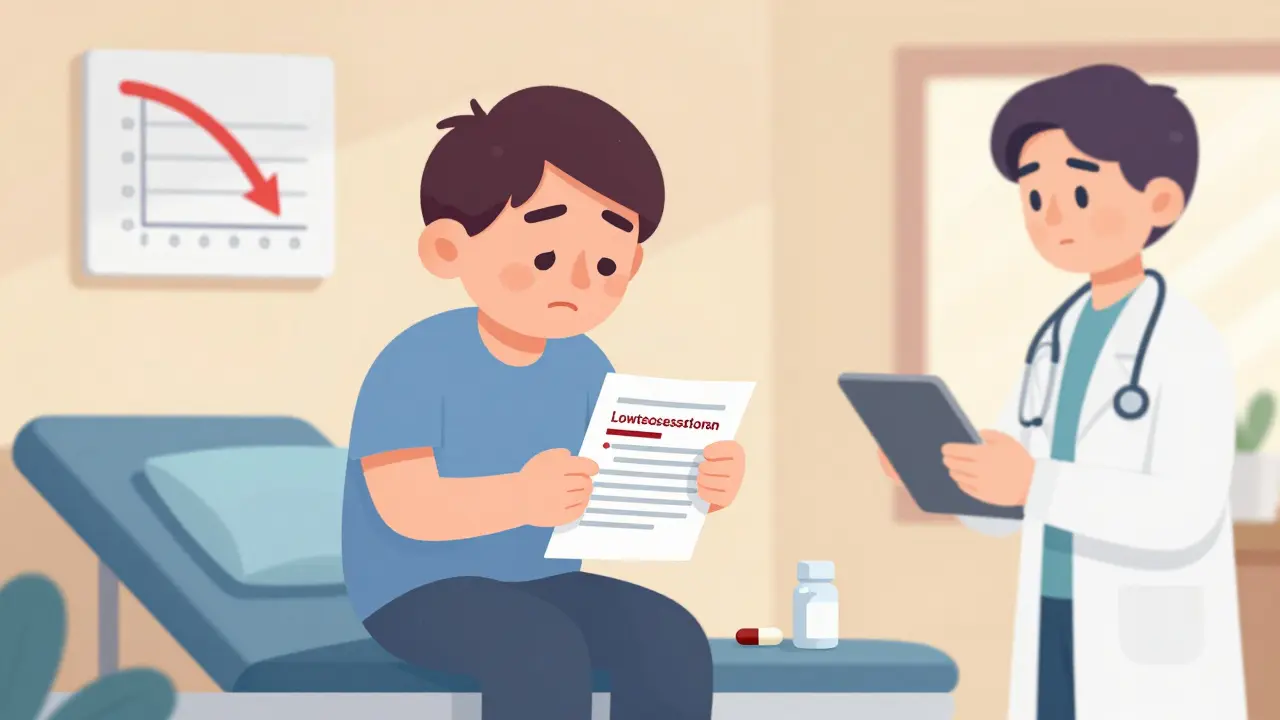
When you’re living with chronic pain, opioids can feel like a lifeline. But what happens after months or years of use? Many people don’t realize that long-term opioid use doesn’t just change how you feel pain-it rewires your hormones and quietly destroys your sex life. This isn’t rare. It’s common. And it’s often ignored by doctors who focus only on pain relief, not the hidden costs.
How Opioids Break Your Hormone System
Opioids like oxycodone, morphine, and fentanyl don’t just block pain signals. They hit your brain’s command center for hormones-the hypothalamus and pituitary gland. This shuts down the entire hypothalamic-pituitary-gonadal (HPG) axis, the system that controls testosterone in men and regulates menstrual cycles in women.
It starts with a simple signal: opioids suppress GnRH, the hormone that tells your body to make luteinizing hormone (LH). No LH means no testosterone production in men and disrupted ovulation in women. Within 30 days of starting chronic opioid therapy, testosterone levels in men can drop by 30-50%. After six months, about 63% of men on long-term opioids develop biochemical hypogonadism-meaning their testosterone falls below 300 ng/dL, the clinical threshold for deficiency.
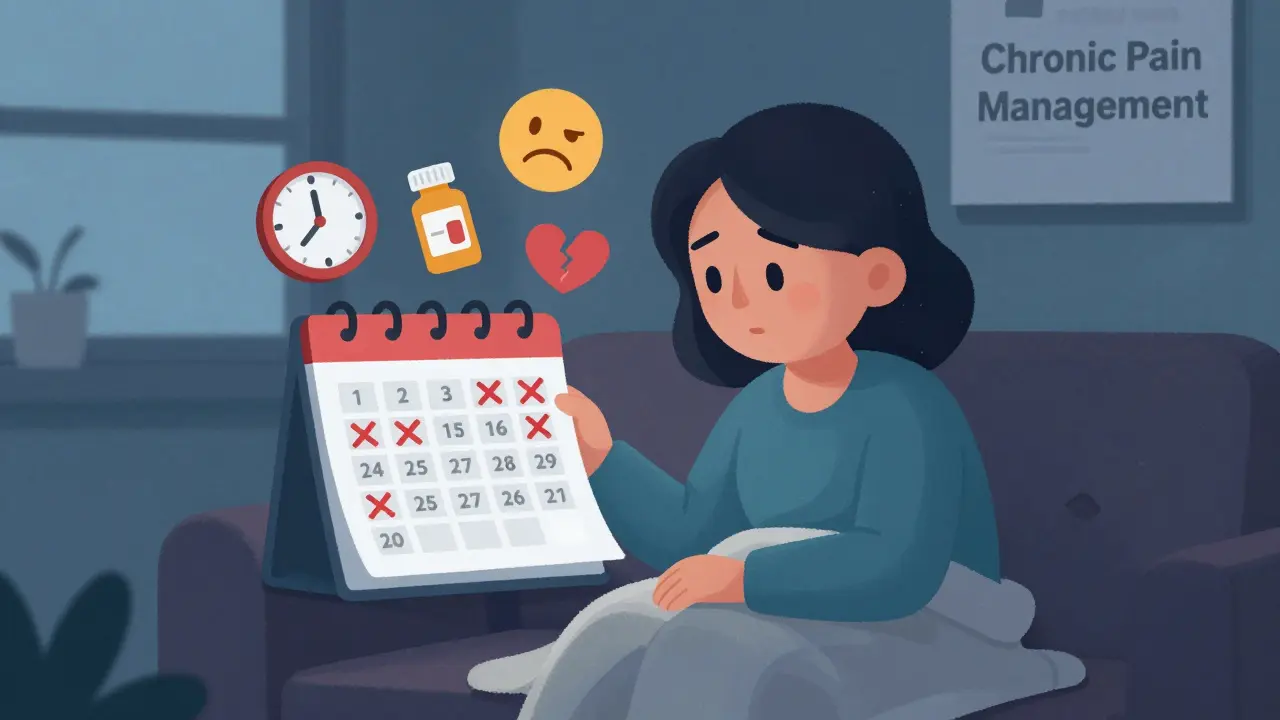
Women aren’t spared. While estrogen levels often stay normal, free testosterone drops. This leads to a sharp decline in libido, fatigue, and mood swings. Nearly 87% of premenopausal women on chronic opioids develop menstrual problems-some lose their periods entirely, others get erratic cycles. These aren’t just inconveniences. They’re signs your body is in hormonal crisis.
The Sexual Side Effects No One Talks About
Low testosterone doesn’t just mean fewer morning erections. It means losing interest in sex altogether. In a Reddit thread with over 200 comments from men on long-term opioids, 89% reported either erectile dysfunction or complete loss of libido. One user wrote: “I was on oxycodone for two years. My doctor never checked my testosterone until I begged him. By then, it was 180 ng/dL. I felt like a ghost in my own body.”
For women, the impact is equally devastating. A 2021 survey of 342 women with chronic pain found that 78% lost interest in sex, 63% had irregular or absent periods, and 41% said their depression got worse-not because of their pain, but because of the drugs meant to treat it.
And here’s the cruel part: doctors often blame the symptoms on aging, stress, or depression. They don’t connect the dots. A Cleveland Clinic study found that 67% of patients had their sexual side effects dismissed as “normal” for someone with chronic pain. That’s not care. That’s neglect.
Opioids vs. Alternatives: The Real Trade-Off
Not all pain meds are created equal when it comes to hormones. Opioids are the worst offenders. Gabapentinoids like pregabalin affect testosterone in only 12% of men. NSAIDs like ibuprofen? Almost no hormonal impact at standard doses.
But here’s the catch: opioids still work-fast and hard-for severe pain like cancer or post-surgery recovery. That’s why they’re not going away. The problem isn’t their use in acute settings. It’s their overuse for chronic, non-cancer pain.
The American Pain Society stopped recommending opioids as first-line treatment for long-term pain back in 2019. Why? Because the long-term damage outweighs the benefits. Physical therapy, cognitive behavioral therapy, and even certain antidepressants like duloxetine have better long-term outcomes for back pain, fibromyalgia, and arthritis. They don’t crash your hormones. They don’t kill your sex drive. And they don’t lead to addiction.
What Doctors Should Be Doing (But Usually Aren’t)
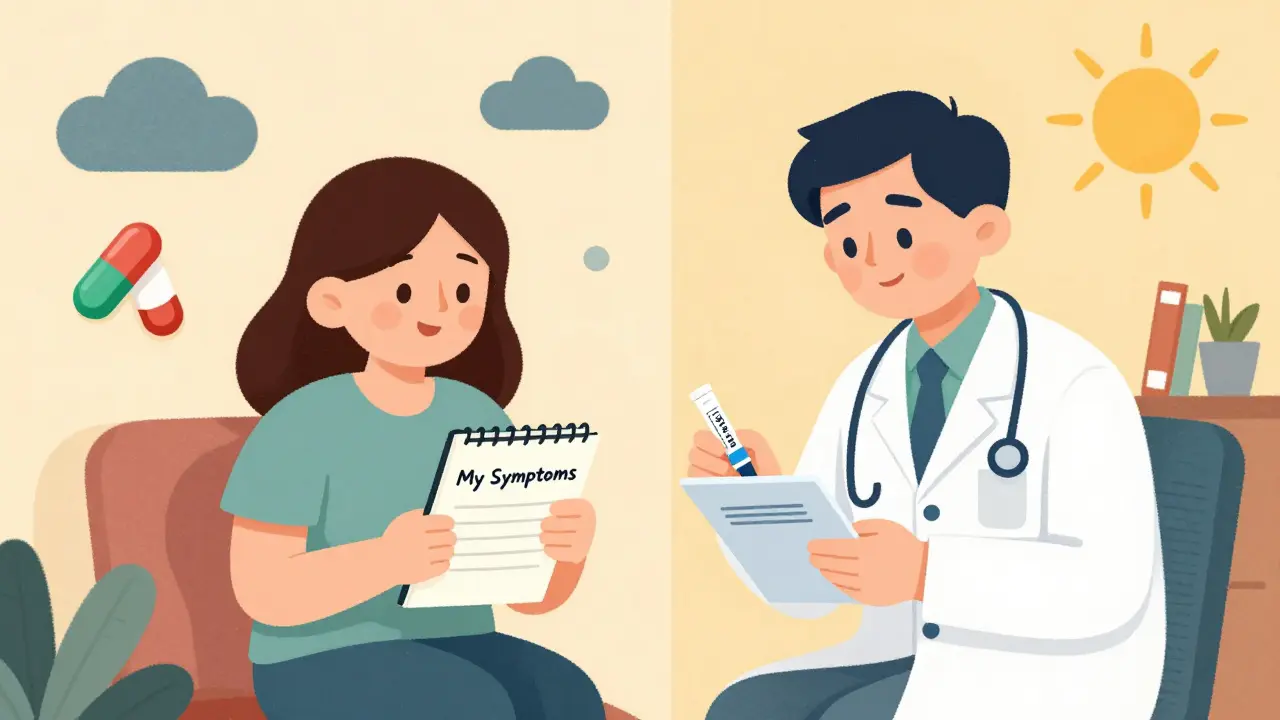
The Endocrine Society issued clear guidelines in 2019-and updated them in January 2024: Test testosterone levels in all men before starting opioids and every six months after. Monitor menstrual cycles in women. Don’t wait for patients to bring it up. Ask.
Yet a 2023 JAMA study found only 38% of primary care doctors routinely screen for opioid-induced hormonal problems. That’s a massive gap between science and practice.
Why? Time. Training. Taboos. Doctors don’t feel comfortable asking about sex. Patients don’t know to bring it up. But if you’re on opioids for more than 90 days, you’re at high risk. You deserve better.
Can You Fix It? Yes-But It Takes Action
If your testosterone is low, testosterone replacement therapy (TRT) works. Studies show 70-85% of men see big improvements in libido, energy, and mood once levels are restored. TRT comes in gels, patches, or injections. It’s not perfect-some men develop thicker blood (polycythemia), which needs monitoring-but it’s life-changing for many.
For erectile dysfunction, drugs like sildenafil (Viagra) or tadalafil (Cialis) help 60-70% of men, even with low testosterone. But they won’t fix the root problem: low hormone production.
Women have fewer options. Off-label testosterone patches (1-2 mg daily) show promise in small studies, improving libido in 50-60% of users. But there’s no FDA-approved treatment yet. Research is lagging-only 2% of opioid trials include proper female sexual function data.
Here’s the most promising new approach: combining low-dose naltrexone with reduced opioid doses. A March 2024 study from Cleveland Clinic found this combo improved testosterone levels by 25-35% in 68% of patients-while still controlling pain. It’s not a cure, but it’s a step forward.
The Bigger Picture: A System That’s Failing Patients
The market for non-opioid pain treatments is booming-projected to hit $59 billion by 2027. The testosterone therapy market is growing too, at 12.4% annually, partly because of opioid-induced hypogonadism.
The FDA now requires opioid labels to warn about sexual side effects. The CDC tells doctors to discuss endocrine risks before prescribing. But none of this matters if doctors don’t ask, and patients don’t know to speak up.
Patients are fighting back. The U.S. Pain Foundation reports 65% of chronic pain patients feel their sexual health is ignored in treatment plans. That’s not just a gap-it’s a betrayal.
What You Can Do Right Now
- If you’re on opioids for more than 90 days, ask your doctor for a testosterone blood test-even if you feel fine.
- Track your libido, energy, mood, and menstrual cycles. Write them down. Bring the list to your next appointment.
- Don’t accept “it’s just aging” or “it’s the pain.” Ask: “Could this be from the opioids?”
- Explore alternatives. Physical therapy, acupuncture, CBT, or even low-dose naltrexone might offer pain relief without the hormonal damage.
- If you’re considering stopping opioids, don’t quit cold turkey. Withdrawal can be brutal. Work with a specialist to taper safely.
The goal isn’t to scare you off opioids if you need them. It’s to make sure you’re not paying for pain relief with your health, your relationships, and your sense of self. You deserve to feel better-not just less pain, but more life.
Can long-term opioid use cause permanent hormonal damage?
In most cases, no. Testosterone levels in men and menstrual cycles in women often return to normal after stopping opioids, especially if the use was under two years. But for some, particularly those on very high doses for over five years, recovery can take months or even years. Early intervention with hormone replacement improves the chances of full recovery. The longer you wait, the harder it gets.
Do all opioids affect hormones the same way?
No. Morphine, oxycodone, and fentanyl have the strongest effect on the HPG axis. Buprenorphine, especially in newer formulations like Belbuca, shows about 40% less hormone disruption. Methadone is also less suppressive than morphine. But even low-dose, long-term use of any opioid can cause problems. The risk isn’t just about strength-it’s about duration.
Is testosterone replacement safe for men on opioids?
Yes, when monitored properly. TRT doesn’t interfere with pain control and can improve quality of life significantly. But it requires regular blood tests to check for polycythemia (thick blood), liver function, and prostate health. Never start TRT without a doctor’s supervision. Self-prescribing or buying testosterone online is dangerous and illegal.
Why aren’t women being studied enough for opioid-induced sexual dysfunction?
Historically, medical research focused on men. Even today, most opioid trials exclude women of childbearing age or don’t measure sexual function. As a result, we have no FDA-approved treatments for low libido in women caused by opioids. This is a research gap-and a health injustice. Advocacy groups are pushing for change, but progress is slow.
Can I switch from opioids to another painkiller without losing pain control?
Many people can. For non-cancer chronic pain like back pain or arthritis, non-opioid options often work better long-term. Physical therapy improves mobility and reduces pain naturally. CBT helps rewire how your brain processes pain signals. Medications like duloxetine or gabapentin can be effective with fewer side effects. The key is a team approach-pain specialist, physical therapist, and psychologist working together. It takes time, but the results are sustainable.
How do I know if my doctor is taking this seriously?
If they’ve never asked about your sex drive, energy, mood, or menstrual cycles-and you’re on opioids long-term-they’re not. A doctor who takes this seriously will offer baseline hormone tests, monitor symptoms regularly, and discuss alternatives. If they brush you off, ask for a referral to an endocrinologist or a pain clinic that specializes in holistic management. Your sexual health matters as much as your pain level.

Jason Jasper
I never realized how much opioids were silently eating away at my energy and drive until I got tested. My doc never brought it up, even after two years on oxycodone. Turned out my T was at 190. Started TRT and honestly? I feel like I got my life back. Not just physically-emotionally too. No one talks about this enough.
Mussin Machhour
Bro, this is wild. I was on fentanyl patches for three years after my back surgery. Lost all interest in sex, felt like a zombie, and my wife was about to leave me. Then I found out my testosterone was in the toilet. Doc finally tested me after I screamed about it. Now I’m off opioids, on gabapentin, and doing PT. My libido came back in 4 months. Don’t let them gaslight you-ask for the blood test.
Justin James
This is all part of the pharmaceutical deep state. They know opioids wreck your hormones but they keep pushing them because they make more money selling testosterone replacements and Viagra than they do selling pain meds. The FDA’s new warning labels? A distraction. They don’t care if you lose your sex drive-they care if you keep buying. And don’t get me started on how they ignore women’s sexual health because research funding goes to men’s issues. It’s all connected to the same corrupt system that gave us the opioid crisis in the first place. Wake up.
Zabihullah Saleh
There’s something deeply human about how we treat pain-as if it’s just a glitch to be silenced, not a signal. We’ve turned our bodies into machines to be fixed, not temples to be understood. Opioids don’t just lower testosterone-they lower our sense of self. We stop feeling alive because we’re numb to everything, not just pain. And the worst part? We’re taught to be grateful for the numbness. That’s not healing. That’s surrender. Maybe the real cure isn’t more drugs, but learning to sit with the ache instead of running from it.
Winni Victor
Ugh, I’m so tired of men acting like their sex drive is the only thing that matters. My periods vanished, I had zero libido, and my doctor said ‘it’s just stress.’ Meanwhile, my husband’s testosterone was ‘low’ and suddenly it’s a crisis. Where’s the outrage for women? Nobody cares. Also, TRT? Sounds like a scam. I’d rather just have my period back than some gel that makes me acne city.
Sophie Stallkind
It is imperative to underscore the clinical significance of opioid-induced hypogonadism as a recognized endocrine disorder. The prevailing neglect of hormonal surveillance in chronic opioid therapy represents a critical gap in patient-centered care. Per the Endocrine Society guidelines, baseline and periodic hormonal assessments are not optional-they are standard of care. The failure to implement these protocols constitutes a systemic deficiency in medical education and practice, warranting immediate institutional reform.
Oluwatosin Ayodele
Look, I’m from Nigeria and we don’t have this luxury of testing testosterone. If you’re on opioids, you’re on them. No blood work, no TRT, no fancy clinics. People just suffer silently. And yes, women lose periods. Men lose drive. But what are they gonna do? Stop the meds? Die of pain? You think your first-world problems are unique? At least you have doctors who can test you. In Lagos, we pray and take what we can get. Stop acting like this is some new revelation-it’s just the world for most people.
Harbans Singh
I’ve been on low-dose buprenorphine for fibromyalgia for five years. My testosterone stayed normal. My libido? Still there. My sleep? Better. I know people think it’s just ‘another opioid,’ but it’s not. The science shows it’s way gentler on the HPG axis. If you’re on morphine or oxycodone and you’re feeling off-ask about switching. Don’t wait for your body to break. I wish I’d known this sooner.
Lindsay Hensel
This is not merely a medical issue-it is a moral one. When a system prioritizes convenience over dignity, when silence is rewarded and inquiry is dismissed, we have failed our most vulnerable. The erosion of sexual health is not a side effect. It is a consequence of institutional indifference. We must demand better-not because it’s trendy, but because it is right.
Katherine Blumhardt
my doc never said a word about this until i started crying in his office bc i didnt feel like having sex with my husband anymore and he was like ohhhhh maybe its the oxy?? yeah maybe?? thanks for the epiphany bro