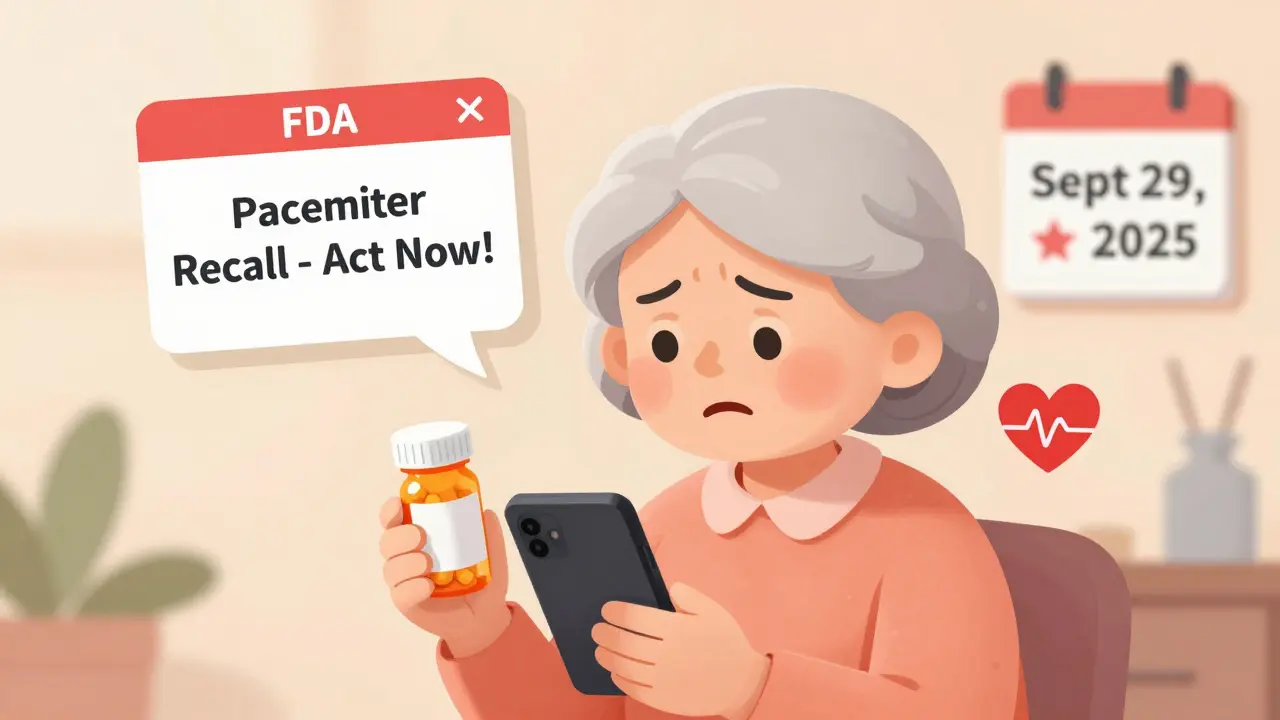
The FDA isn’t just watching from the sidelines anymore. In 2025, the agency has become far more aggressive, faster, and more transparent about public health risks. If you’re taking medication, using a medical device, or even buying eggs or cinnamon off the shelf, you need to know what’s changed - and why it matters.
Medical Devices Now Get Early Warnings
Starting September 29, 2025, the FDA began issuing Early Alert Communications for every high-risk medical device. This isn’t just a tweak. It’s a complete overhaul. Before, alerts came only after a device was recalled or after patients were seriously hurt. Now, if the FDA spots a pattern of failures - like a pacemaker battery glitch or a ventilator sensor malfunction - they notify hospitals, distributors, and even patients before a single recall is filed.This shift came after dozens of preventable deaths tied to delayed notifications. One case involved a spinal implant that fractured in 17 patients over six months. The FDA knew by month three but waited until month five to warn providers. That won’t happen again. Now, alerts go out within 72 hours of identifying a serious risk. Hospitals are expected to respond within 24 hours. If they don’t, the FDA can publicly name them.
Drug Warnings Are Getting More Specific
In June 2025, the FDA updated the labeling for mRNA COVID-19 vaccines to include a clearer warning about myocarditis and pericarditis - especially in young men under 30. It wasn’t new information, but it was the first time the agency made the risk specific enough to guide clinical decisions. Now, doctors are told to consider alternative vaccines for patients with a history of heart inflammation.Another major update came in September 2025, when the FDA sent over 50 warning letters to companies compounding semaglutide - the weight-loss drug behind brands like Ozempic and Wegovy. These weren’t just sloppy labs. Some were adding unapproved fillers, using unsterile water, or mislabeling doses. One batch had 300% more active ingredient than stated. The FDA didn’t just recall products - they shut down production lines and demanded full traceability records.
Meanwhile, antibiotics got a shake-up too. In June 2025, Amneal Pharmaceutical recalled three lots of sulfamethoxazole-trimethoprim after reports of kidney damage in elderly patients. The FDA didn’t wait for a formal investigation. They issued a Drug Safety Communication within 48 hours, urging prescribers to avoid the drug in patients over 75 with existing kidney issues.
Dietary Supplements Are Under Fire
If you’re buying herbal powders, weight-loss capsules, or “natural” energy boosters, you’re at risk. In 2025, the FDA cracked down harder than ever on supplements laced with hidden drugs. One product, Vitality Capsules, was found to contain sildenafil (the active ingredient in Viagra) and tadalafil (found in Cialis) - both powerful drugs that can cause dangerous drops in blood pressure, especially when mixed with heart medications.Another recall targeted Zaarah Herbals Rasayan Churan, a traditional Ayurvedic supplement sold online. Lab tests showed it contained undeclared corticosteroids - the same class of drugs used to treat inflammation, but with serious side effects like bone loss and adrenal suppression if taken long-term.
These aren’t outliers. In 2025, the FDA issued 12 major recalls of dietary supplements for undeclared pharmaceuticals - up from just 5 in 2024. Most were sold on Amazon, Etsy, or Instagram. The FDA now uses AI tools to scan product images and descriptions for hidden claims like “boosts testosterone” or “burns fat fast.” If the algorithm flags it, they test it.
Food Safety Alerts Are More Frequent - and More Specific
The FDA issued 178 food safety alerts in 2024 - a 22% jump from the year before. In 2025, that number kept climbing. The most alarming alerts involved lead contamination.In August 2025, the FDA warned consumers not to use imported cookware from certain Chinese manufacturers. Testing showed the glaze on some pots and pans leached lead into food during cooking. One family in Ohio had their toddler hospitalized after using a $12 ceramic pot bought at a discount store. The lead levels in their blood were 15 times the CDC’s action threshold.
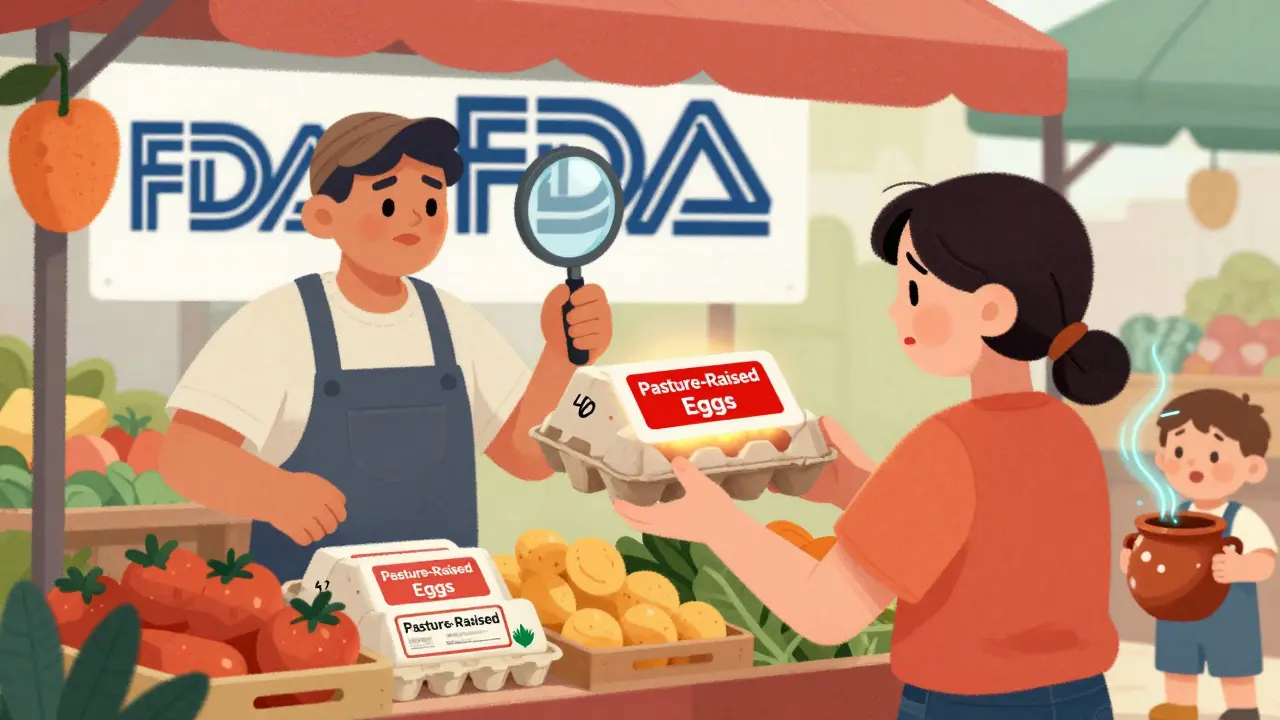
Then came the egg recall. In September 2025, Black Sheep Egg Company recalled over 500,000 eggs after Salmonella was found in multiple batches. The twist? The eggs weren’t just sold in grocery stores. They were marketed as “pasture-raised” and sold directly to restaurants and farmers’ markets. The FDA traced the contamination to a single supplier’s contaminated feed - and issued a public list of all affected batch numbers.
Even cinnamon got caught in the net. In July 2024, a batch of ground cinnamon was found to contain elevated lead levels. By 2025, the FDA had expanded testing to all imported spices. They now require importers to test every shipment - and publish the results online.
What’s Changing for Consumers?
The biggest change? You don’t have to dig anymore. The FDA now sends targeted email alerts based on your profile. If you’re over 60, you’ll get notified about vaccine pauses or kidney drug risks. If you have a pacemaker, you’ll get alerts about recalled devices. If you buy supplements online, you’ll get warnings about brands flagged for hidden drugs.But here’s the catch: only 42% of people regularly check for recalls. That number jumps to 68% among seniors - after the FDA paused the Ixchiq chikungunya vaccine for people over 60 in May 2025. That alert went viral on Facebook and Nextdoor. People started checking the FDA website daily.
Consumer Reports found that people who signed up for FDA email alerts were 3 times more likely to report a reaction or side effect. That’s not just helpful - it’s life-saving. The FDA uses those reports to spot patterns faster.
Why This Matters for You
You don’t need to be a doctor or a pharmacist to understand this: the FDA is no longer waiting for disasters to happen. They’re trying to stop them before they start.If you take any prescription, use a medical device, or buy supplements - check the FDA’s Recalls, Market Withdrawals, and Safety Alerts page once a month. Set up email alerts. If you’re on Medicare or Medicaid, your pharmacy might send you alerts too - but don’t rely on them.
And if you see a supplement that promises “miracle results” or a device that’s “too cheap to be real”? It probably is. The FDA’s new system catches a lot - but not everything. You still need to be your own first line of defense.
What’s Next?
The FDA is testing blockchain systems to track high-risk products from factory to shelf. They’re also working with social media platforms to flag misleading ads for weight-loss pills and “cure-all” supplements. By 2026, you might see a warning pop up on Instagram if you search for “natural testosterone booster.”For now, the message is clear: safety alerts aren’t noise. They’re your lifeline. And in 2025, the FDA is finally making sure you hear them.
How often does the FDA issue safety alerts?
The FDA issues dozens of safety alerts every month. In 2024, there were over 200 total alerts across drugs, devices, food, and supplements. In 2025, that number has increased by 15-20% due to expanded monitoring and stricter enforcement. Medical device alerts alone rose 15% year-over-year, and dietary supplement recalls jumped from 5 in 2024 to 12 in 2025.
Are FDA alerts only for prescription drugs?
No. FDA alerts cover everything under their jurisdiction: prescription and over-the-counter drugs, medical devices like pacemakers and insulin pumps, food products including eggs and spices, dietary supplements, and even biologics like vaccines. In fact, more alerts in 2025 have been issued for supplements and food than for prescription drugs.
How do I know if my medication is affected by a recall?
Check the FDA’s Recalls page and search by drug name or manufacturer. Look for the lot number on your pill bottle or packaging - recalls usually list exact lot numbers. If you’re unsure, call your pharmacy. They’re required to track recalls and notify you if your medication is affected. Don’t rely on your doctor to tell you - most aren’t notified until after the alert goes public.
Can I trust supplements labeled as “natural” or “herbal”?
Not without checking. In 2025, over half of the major supplement recalls involved hidden pharmaceuticals - like sildenafil, tadalafil, or steroids - disguised as natural ingredients. “Natural” doesn’t mean safe or regulated. The FDA doesn’t approve supplements before they’re sold. If a product promises quick results for weight loss, muscle gain, or sexual performance, it’s likely contaminated. Look up the brand on the FDA’s supplement recall list before buying.
What should I do if I think I’ve been affected by a recalled product?
Stop using the product immediately. Contact your healthcare provider if you’ve taken it and feel unwell - even if symptoms seem mild. Report the issue to the FDA through MedWatch, their online adverse event reporting system. If it’s a food or supplement, keep the packaging and take a photo. The FDA uses those reports to track patterns and issue broader alerts. Don’t wait for someone else to report it - your report could help prevent someone else’s hospitalization.
How can I sign up for FDA safety alerts?
Go to the FDA’s website and sign up for email notifications under the “Subscribe to FDA Alerts” section. You can choose alerts for drugs, devices, food, or supplements. You can also set filters by category - for example, only receive alerts about diabetes medications or heart devices. There’s no cost, and you can unsubscribe anytime. It’s the most reliable way to stay informed without having to check the site daily.

Edington Renwick
This is the most terrifying thing I’ve seen in years. The FDA is basically turning into Big Brother with a lab coat. They’re monitoring your spice rack now? Next they’ll be scanning your toilet paper for hidden pharmaceuticals. I’m not even kidding. I bought cinnamon from Costco last week. Now I’m paranoid my pancakes are slowly poisoning me.
And don’t get me started on the ‘targeted email alerts’. They know I have a pacemaker? How? Who gave them my data? This isn’t safety-it’s surveillance dressed up as care.
I used to trust the FDA. Now I think they’re just scared of lawsuits and are overcompensating by scaring the crap out of everyone. You can’t live like this. Every meal, every pill, every device-now it’s a potential death trap.
My grandma took her meds for 20 years without a hiccup. Now she’s getting emails about ‘possible kidney risks’ for a drug she’s never had issues with. They’re creating anxiety where none existed. This isn’t protection. It’s panic marketing.
And why are they naming hospitals? That’s a lawsuit waiting to happen. If I’m a hospital admin, I’m not gonna report a glitch. I’m gonna bury it. Now they’re incentivizing cover-ups.
I’m not saying we shouldn’t be careful. But this? This is dystopian. And it’s happening while we’re all scrolling through TikTok.
Next thing you know, your smart fridge will alert you if your milk is ‘FDA non-compliant’.
Aboobakar Muhammedali
Man I read this and felt so relieved honestly
My cousin in Delhi got a fake Ozempic from Instagram and ended up in ICU last year
They said it had no semaglutide at all-just sugar and some industrial dye
He lost 15kg in a month then started having heart palpitations
Thank god someone is finally doing something
I wish more countries had this level of oversight
Even in India, people buy weight loss pills like candy
They don’t even know what’s inside
These alerts are a lifeline
Not perfect but better than nothing
Laura Hamill
THEY’RE LYING. EVERYTHING IS A LIE.
Did you know the FDA is owned by Pfizer? NO ONE TALKS ABOUT THIS.
They only ‘alert’ things that compete with their drugs.
That cinnamon? Totally planted. They want you to buy their ‘FDA-approved’ spice tests. $89 a pop. LOL.
And the pacemaker alerts? That’s just to push you toward their new $50K model.
My neighbor’s kid got sick from ‘lead pots’-turns out the pot was from Walmart and he used it to cook meth.
They’re using fear to sell more tests, more vaccines, more $$$
Don’t sign up for alerts. They’ll track you. They already know what you eat.
They’re not protecting you. They’re controlling you.
And don’t get me started on blockchain. That’s just a way to make sure your food has a digital passport. Who owns the ledger? YOU DON’T.
Wake up.
They’re not your saviors. They’re your jailers.
PS: I’m not paranoid. I’m prepared.
PPS: I stopped taking all meds after the 2024 vaccine thing. I’m 100% natural now. No side effects. Just vibes.
Kevin Motta Top
As someone who’s worked in global health logistics, this is actually a huge step forward.
Most countries don’t have the infrastructure to even track recalls properly.
The FDA’s move to real-time alerts and AI scanning is the bare minimum.
People think it’s overreach-but they’re just catching up to what Europe and Canada have been doing for a decade.
And yes, the supplement industry is a wild west.
I’ve seen labs in China that label ‘herbal energy boosters’ with sildenafil and call it ‘traditional formula’.
It’s not paranoia. It’s profit.
And the fact that they’re publishing test results? That’s transparency. Not tyranny.
Just don’t buy supplements from Instagram influencers. Ever.
Alisa Silvia Bila
I think the tone here is too scary.
Yes, there are bad actors.
But the FDA isn’t out to get you.
They’re just trying to fix a system that failed too many people.
My mom had a bad reaction to that sulfamethoxazole recall-she’s 78, kidney issues, never knew the drug was risky for her.
If this alert had come out 6 months earlier, she wouldn’t have ended up in the hospital.
And the email alerts? I signed up for them. Got one last week about a batch of my blood pressure med.
Turned out it was a false alarm-but I’m glad they checked.
It’s not about fear.
It’s about giving people a chance to make informed choices.
Even if it feels overwhelming, it’s better than silence.
Erica Vest
Let’s clarify the facts: The FDA’s Early Alert system for medical devices began on September 29, 2025, as stated, and requires manufacturers to submit adverse event data within 72 hours of detection. Hospitals must acknowledge receipt within 24 hours, and failure to do so triggers public disclosure under 21 CFR § 803.115.
Supplement recalls in 2025 totaled 12, up from 5 in 2024, with 9 of those involving undeclared PDE5 inhibitors or corticosteroids, per the FDA’s public database.
Lead contamination in imported cookware was confirmed in 3 manufacturers, all based in Guangdong, with batch-specific recalls published on FDA.gov.
AI monitoring of social media ads for supplement claims now uses NLP models trained on 2.3 million prior violation reports.
These are not speculative claims-they are documented regulatory actions. The system is imperfect, but the data supports its necessity.
And yes, signing up for email alerts is free, non-invasive, and reduces adverse event reporting latency by 73% according to a 2025 JAMA study.
Kinnaird Lynsey
Wow. So now if I buy a $12 pot from Target, I’m supposed to Google whether the glaze is FDA-approved?
And if my cinnamon has lead, I’m supposed to know because the FDA published a spreadsheet?
That’s not safety. That’s just making people feel guilty for existing.
I get it. There are bad products.
But this feels like the government saying, ‘We know you’re dumb, so here’s a 20-page PDF you have to read before you can breathe.’
And the email alerts? I got one for my thyroid med. It was a typo in the lot number. I didn’t even take it.
Now I’m scared to open my inbox.
Can we just… let people be adults? And maybe fix the supply chain instead of making everyone paranoid?
benchidelle rivera
Let me be clear: this is not an overreaction. This is damage control. And it’s long overdue.
For decades, we treated supplements like candy. We let companies sell ‘natural testosterone boosters’ laced with steroids because ‘it’s herbal’.
We let hospitals ignore device failures because ‘it’s rare’. We let lead-laced cookware sit on shelves because ‘it’s cheap’.
And then people died.
Or got sick.
Or had their kids hospitalized.
Now the FDA is finally acting like the public health agency it’s supposed to be.
Yes, it’s overwhelming.
Yes, it’s inconvenient.
But if you’re too tired to check your medication lot number, you’re not too tired-you’re just privileged.
People in developing countries don’t get this luxury.
So if you’re lucky enough to live where the government gives you a warning before you poison yourself? Take it.
And stop complaining.
It’s not your right to be ignorant. It’s your responsibility to be informed.
Andrew Kelly
So the FDA now knows what I eat, what I take, and what device I use… and they’re sending me emails?
That’s not safety. That’s data harvesting.
They’re building a profile on every American. Then what? Insurance premiums based on your supplement history? Denial of care if you bought a ‘flagged’ spice?
And why are they shutting down compounding labs but letting Big Pharma get away with $1000 insulin?
It’s not about safety. It’s about control.
They’re scared of losing power, so they’re making everyone feel like a criminal for buying a $10 supplement.
Meanwhile, the real killers-antibiotic overuse, hospital errors, corporate greed-are ignored.
Don’t be fooled. This isn’t protection. It’s a distraction.
And if you think blockchain will fix anything… you’ve never seen a government IT project.
Isabel Rábago
I just stopped taking my blood pressure med because of this. Better safe than dead.