Learn how to identify high-alert medications that require independent double checks to prevent deadly medication errors. Discover which drugs demand this safety step, how to do it right, and why most double checks fail.
Read more
When you take a pill, you expect it to help—not hurt. But medication safety, the practice of using drugs in ways that minimize harm and maximize benefit. Also known as drug safety, it’s not just about following labels—it’s about understanding what’s in your medicine, how it reacts with other things you take, and when something might be dangerously wrong. Every year, hundreds of thousands of people end up in the hospital because of avoidable medication mistakes. Many of these aren’t caused by carelessness. They happen because the system is confusing, information is hidden, or people don’t know what questions to ask.
Drug interactions, when one medication changes how another works in your body are a silent threat. St. John’s wort can make birth control useless. Grapefruit can turn a harmless statin into a muscle-damaging risk. Even over-the-counter pain creams like those with methyl salicylate can cause burns if you use too much or combine them with heat. And it’s not just about what’s in the bottle—generic drugs, lower-cost versions of brand-name medicines approved by the FDA—are safe for most people, but not all. For drugs with narrow therapeutic windows, like warfarin or thyroid meds, even tiny differences in absorption can matter. That’s why bioequivalence studies exist: to prove generics perform like the original. The FDA’s 80/125 rule isn’t just a technical detail—it’s your protection.
Side effects aren’t just listed to scare you. They’re warnings. If you’re on antidepressants and notice new thoughts of self-harm in the first few weeks, that’s not normal sadness—it’s a red flag. If steroid eye drops leave your vision blurry or your eye pressure high, you need to act fast. And if you struggle to swallow pills, crushing them might seem like a fix—but it can turn a timed-release tablet into a dangerous overdose. That’s why alternatives like liquids, dissolvable forms, or swallowing techniques matter. Medication safety isn’t just about the drug. It’s about your body, your habits, your care team, and the system that delivers the medicine to you.
What you’ll find below isn’t a list of warnings—it’s a practical guide to what actually works. From how patent laws shape access to generics, to why some cheap online pills are risky, to how to spot when a drug shortage might leave you without your treatment—these posts cut through the noise. You’ll learn how to read expiration dates, understand what happens when your body absorbs a drug on an empty stomach versus after eating, and why some supplements silently sabotage your prescriptions. This isn’t theory. It’s what people need to know before they take the next pill.
Learn how to identify high-alert medications that require independent double checks to prevent deadly medication errors. Discover which drugs demand this safety step, how to do it right, and why most double checks fail.
Read more
Know the warning signs of dangerous drug interactions - from mild symptoms to life-threatening reactions. Learn when to call for help and how to prevent serious medication risks.
Read more
Generic drugs are just as safe as brand-name ones - but sometimes, inactive ingredients or patient expectations cause unexpected reactions. Learn what really causes drug interaction issues with generics and how to stay safe.
Read more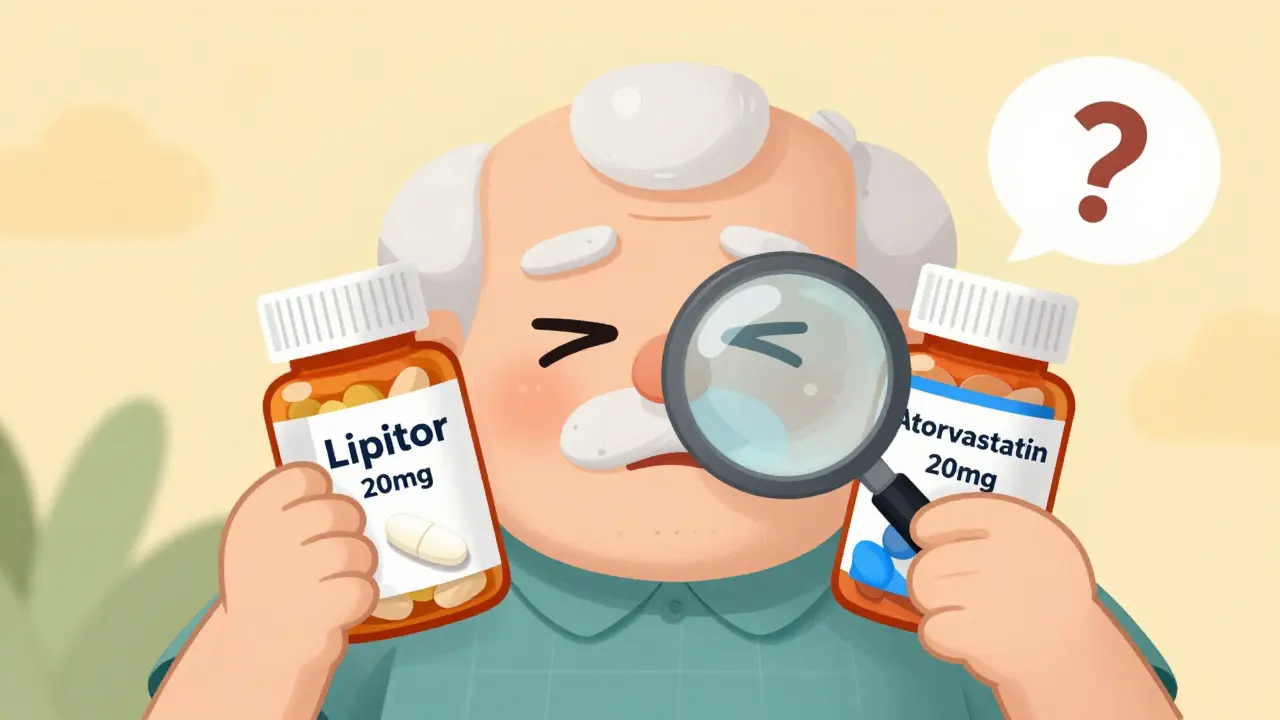
Learn how to safely compare new prescription labels with your old medication to avoid dangerous errors. Know what to check, when to worry, and how to use tools like the FDA's pill identifier.
Read more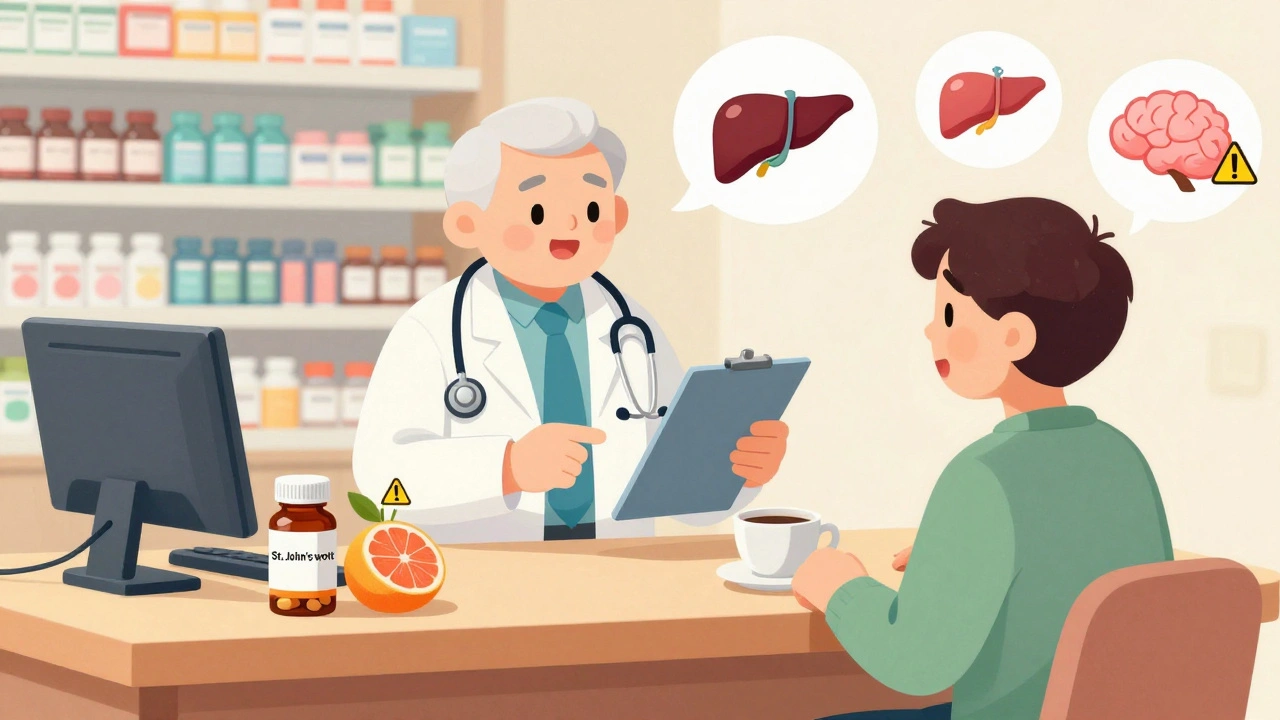
Learn the essential questions to ask your pharmacist about medication interactions to avoid dangerous side effects, food-drug conflicts, and harmful supplement combinations. Stay safe with expert-backed advice.
Read more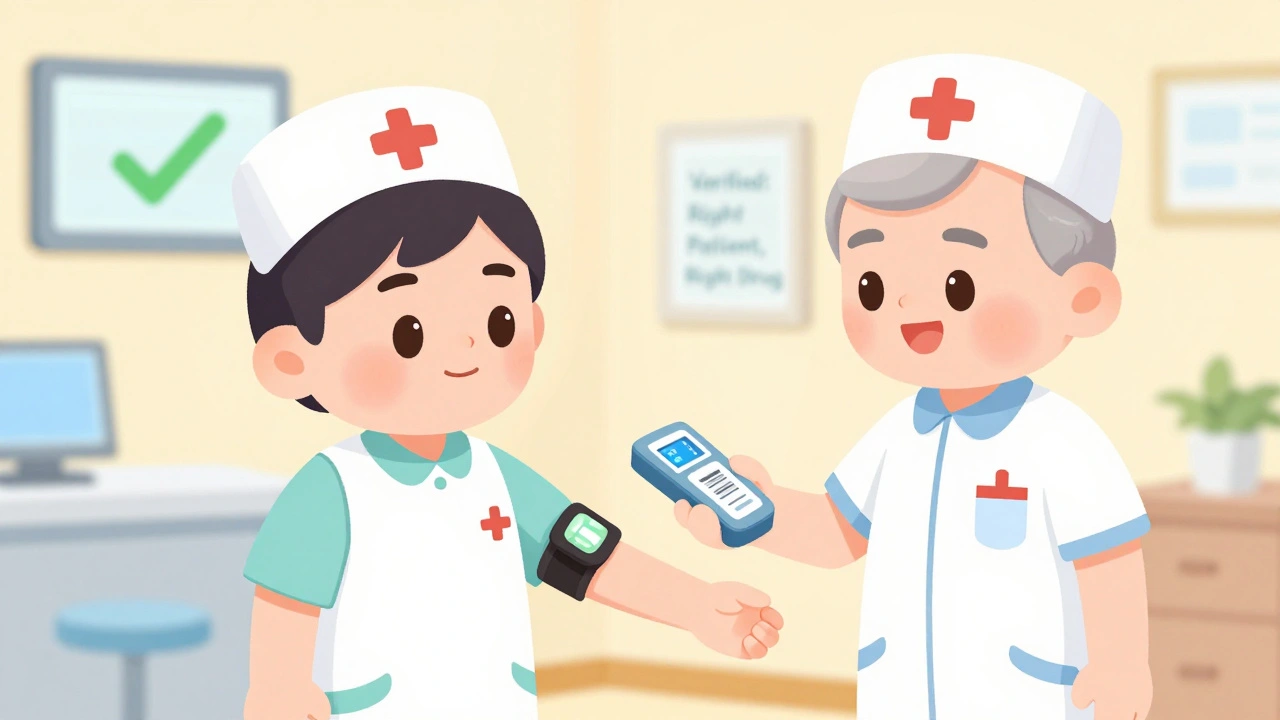
Medication errors kill thousands every year in hospitals and clinics - but most are preventable. Learn how high-alert drugs, barcode systems, and patient involvement are reducing harm and saving lives.
Read more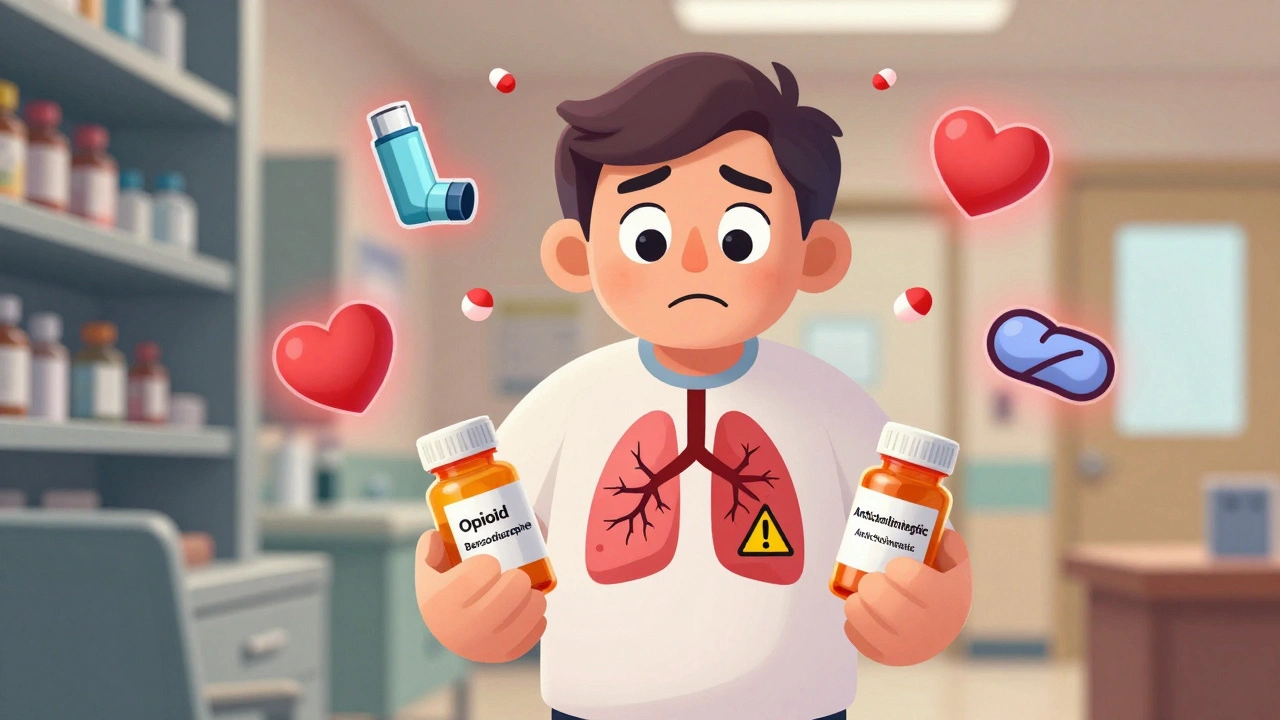
Learn the hidden dangers of asthma and COPD drug interactions - from opioids and NSAIDs to anticholinergics and beta-blockers. Know which meds can make breathing worse and how to stay safe.
Read more