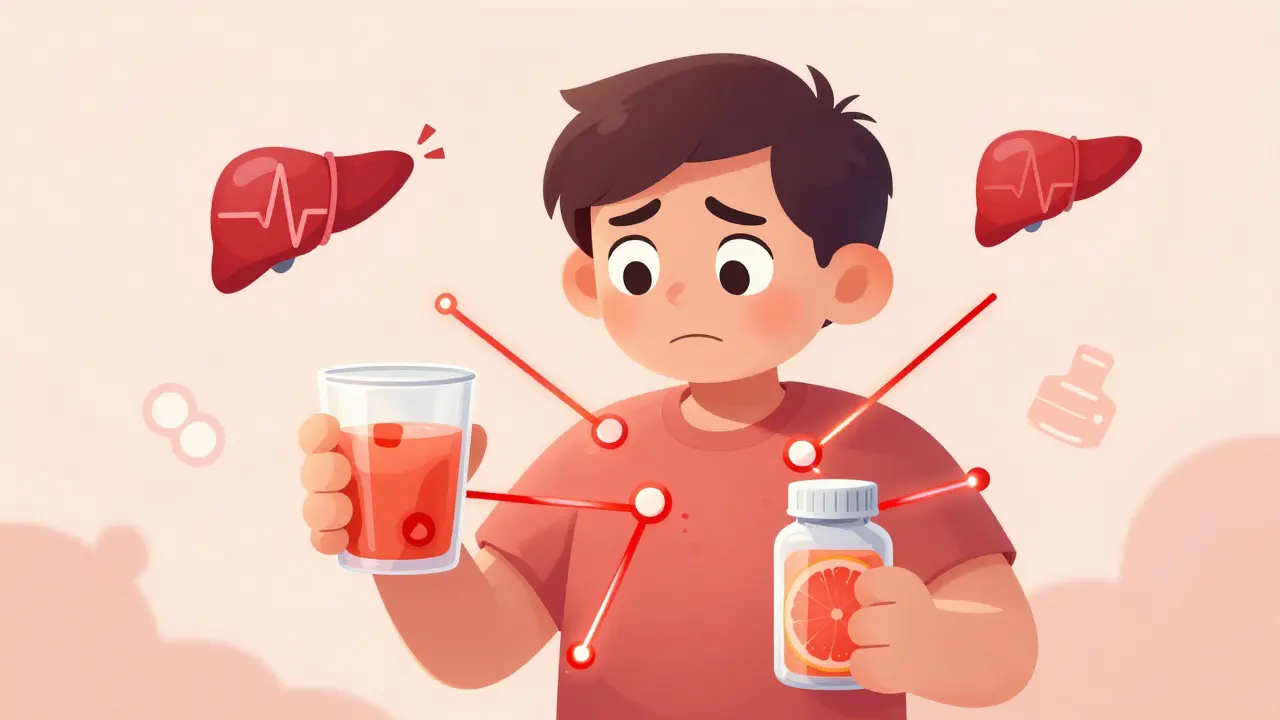
It’s easy to think that taking a few pills is harmless - especially if they’re prescribed by a doctor, bought over the counter, or pulled from the cupboard next to your coffee maker. But when medications mix, even harmless ones can turn dangerous. A common painkiller with an antidepressant. Garlic supplements with blood thinners. Grapefruit juice with your cholesterol medicine. These aren’t just warnings on a label - they’re real risks that land people in emergency rooms every day.
What Exactly Is a Drug Interaction?
A drug interaction happens when one substance changes how another works in your body. It could make a drug stronger, weaker, or cause side effects you’ve never seen before. These aren’t rare. About 60% of serious interactions involve two or more medications. Another 20% come from food or drinks, and 20% from underlying health conditions that change how your body handles drugs. The most dangerous interactions happen with drugs that have a narrow therapeutic index - meaning there’s a tiny window between the right dose and a toxic one. Warfarin, digoxin, phenytoin, and some antidepressants fall into this category. A 20% change in blood levels can mean the difference between healing and hospitalization.Red Flags: When to Call 911 Right Now
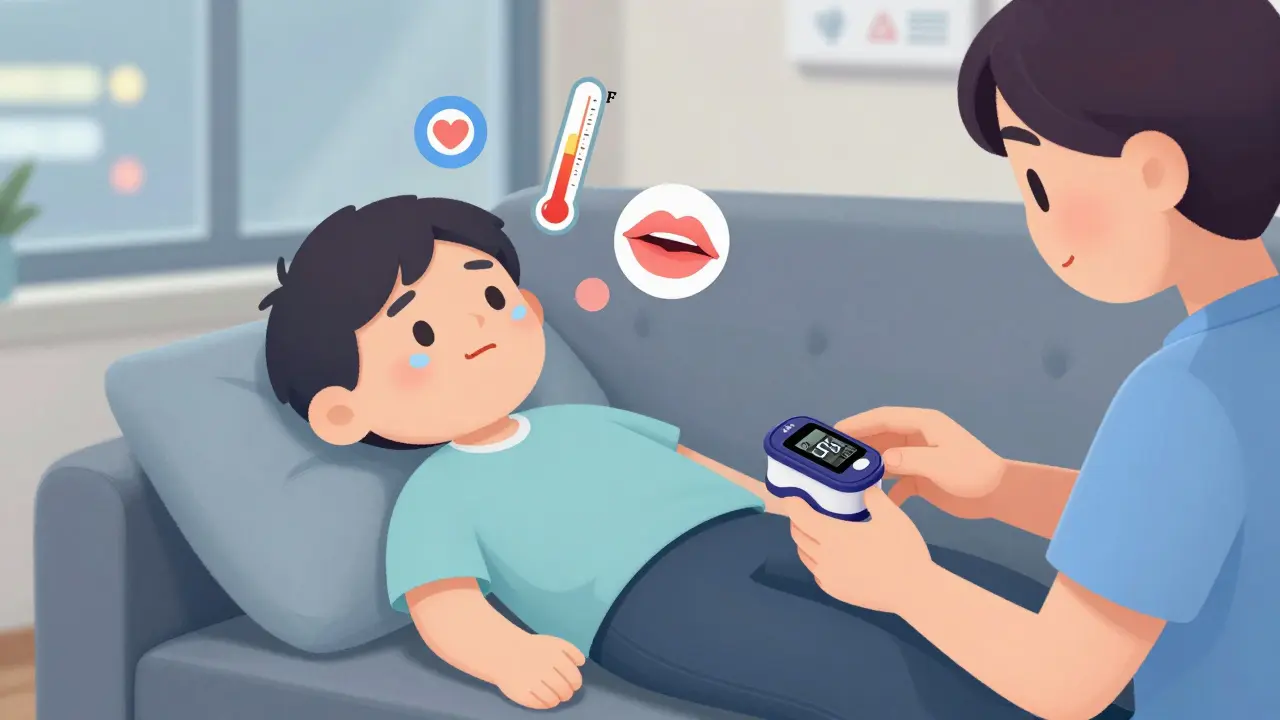
Some reactions don’t wait. If you or someone else experiences any of these, call emergency services immediately - don’t wait, don’t text, don’t Google it.- Difficulty breathing or oxygen levels below 90% - This can signal anaphylaxis, a life-threatening allergic reaction. Pulse oximeters are common now; if yours drops below 90% after taking a new medication, get help.
- Swelling of the face, lips, tongue, or throat - This is angioedema. It can block your airway in as little as 15 minutes. Even if it starts mild, it can worsen fast.
- Heart rate over 120 beats per minute with systolic blood pressure below 90 - This combination means your body is going into shock. It’s common in severe allergic reactions or serotonin syndrome.
- Seizures lasting more than 2 minutes - Especially if you’re on antibiotics, pain meds, or antipsychotics. Lidocaine toxicity, for example, can trigger this even from dental procedures.
- Temperature above 41.1°C (106°F), rigid muscles, and uncontrollable agitation - These are signs of serotonin syndrome, often triggered when SSRIs mix with opioids, migraine meds, or certain cold remedies. One study found 41% of patients with this condition needed ICU care.
- Loss of consciousness or confusion with a Glasgow Coma Scale score below 13 - If someone can’t answer simple questions or follow commands after starting a new drug, it’s not just fatigue.
Don’t Wait: Symptoms That Need a Doctor Within 24 Hours
These signs aren’t always obvious, and many people brush them off as “just not feeling right.” But they can signal serious damage that’s already happening inside your body.- A widespread rash covering more than 30% of your skin - This could be DRESS syndrome, a delayed reaction that affects your liver, kidneys, or blood cells. It often starts with a fever and itching, then spreads.
- Unexplained fever above 38.5°C (101.3°F) lasting more than 48 hours - Especially if you’re on antibiotics, anticonvulsants, or allopurinol. This could be serum sickness or another immune response.
- Unusual bruising, bleeding gums, or tiny red dots on your skin - These may mean your platelet count has dropped dangerously low. Drug-induced thrombocytopenia can happen with antibiotics like vancomycin or sulfa drugs.
- Yellowing of the skin or eyes, dark urine, or severe nausea - These are signs of liver damage. ALT levels over 120 U/L are a red flag. Drug-induced liver injury is rare but can be fatal if missed.
- Urinating less than half a liter a day, or swelling in your legs and ankles - This could mean your kidneys are shutting down. About one in five cases of sudden kidney failure is caused by medications.
Why People Delay - And Why That’s Dangerous
A 2022 survey found that 58% of people waited more than 12 hours before seeking help for symptoms they suspected were from a drug interaction. Why? Because they thought it was “just a side effect,” “the flu,” or “stress.” One Reddit user described taking an SSRI and then getting fentanyl for a dental procedure. Within hours, they had clonus (involuntary muscle jerks), sweating, and confusion. They waited six hours before calling their doctor - and ended up in the ICU. Eighty-seven percent of serotonin syndrome cases include clonus. If they’d known, they could’ve avoided it. The truth? Early action saves lives. A 2022 report from the American Association of Poison Control Centers showed that 89% of people who called poison control within an hour of noticing symptoms avoided the ER entirely. Poison control isn’t just for overdoses - they’re trained to spot interactions too.What You Can Do Right Now
You don’t need to be a pharmacist to protect yourself. Here’s how to stay safe:- Keep a full list of everything you take - Not just prescriptions. Include supplements, herbal teas, OTC painkillers, and even recreational substances like alcohol or marijuana. One in five serious interactions involves a supplement.
- Use a trusted drug interaction checker - Drugs.com and Lexicomp are updated daily. Enter every substance you’re using, even if you think it’s “harmless.”
- Ask your pharmacist every time you pick up a new prescription - They’re trained to catch interactions your doctor might miss, especially if you’re on five or more medications. People on five+ drugs have a 57% chance of a major interaction.
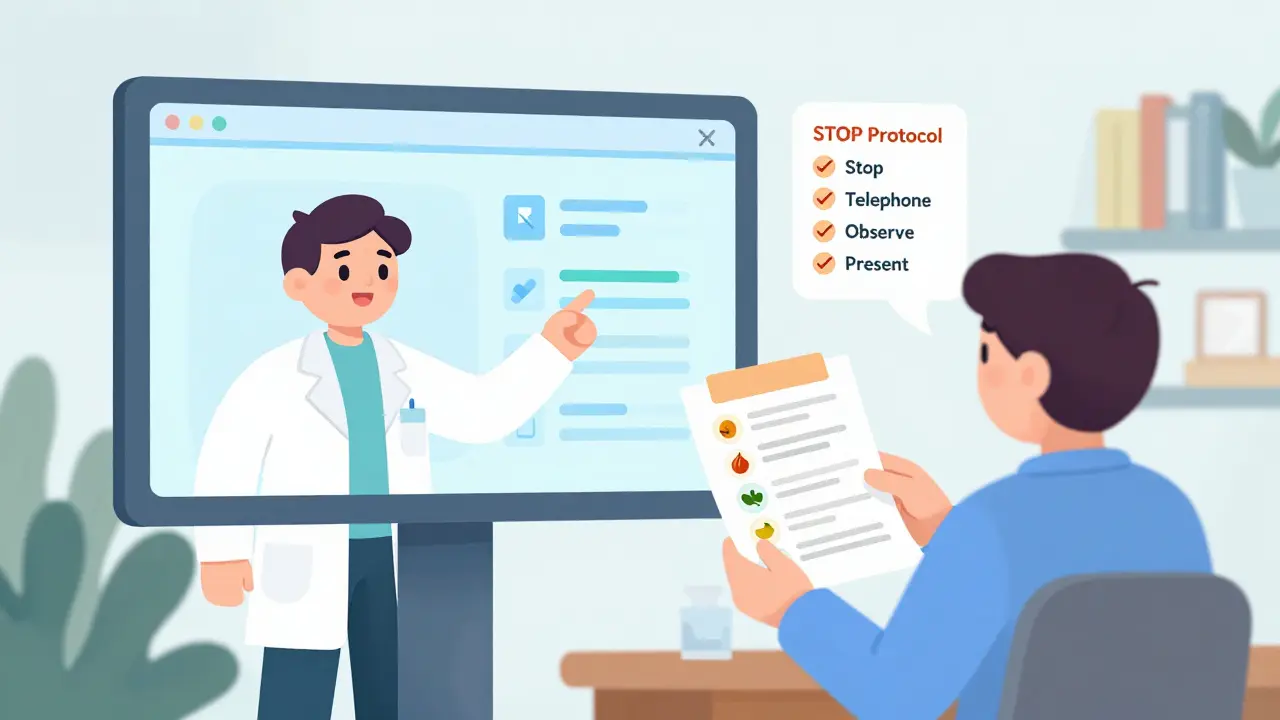
- Learn the STOP protocol - Stop the medication. Telephone your provider. Observe your symptoms. Present all your medication bottles at your appointment.
What Doctors Are Doing About It
Hospitals and clinics are slowly getting better at catching interactions. The FDA’s Sentinel Initiative now monitors 300 million patient records to spot new dangers. Electronic health records are supposed to warn doctors about risky combinations - but only 63% do it well. Many doctors get so many alerts they start ignoring them. Some systems, like the Liverpool Drug Interaction Group checker, are more accurate - especially for HIV and cancer drugs. AI tools like IBM Watson Drug Insights are now predicting new interactions with 89% accuracy. But none of this matters if you don’t speak up.Final Thought: Trust Your Body
Your body doesn’t lie. If something feels wrong after you start a new medication, it probably is. Don’t second-guess yourself because “everyone else takes it fine.” You’re not everyone. You’re you - with your own metabolism, liver function, and health history. If you’re unsure, call your doctor. Or call poison control. Or go to urgent care. Better to be checked and safe than to wait and regret it.Can over-the-counter drugs cause dangerous interactions?
Yes. Common OTC medications like ibuprofen, antihistamines, and even cough syrups can interact with prescription drugs. For example, ibuprofen can increase bleeding risk when taken with warfarin. Dextromethorphan in cough medicine can trigger serotonin syndrome when mixed with SSRIs. Always check with your pharmacist before taking anything new, even if it’s sold without a prescription.
Are herbal supplements safe to take with my medications?
Not necessarily. St. John’s wort can reduce the effectiveness of birth control, antidepressants, and blood thinners. Garlic and ginkgo can increase bleeding risk. Ginseng can interfere with blood pressure and diabetes meds. Herbal supplements aren’t regulated like drugs, so their strength and ingredients can vary. Always tell your doctor and pharmacist exactly what you’re taking - even if you think it’s “natural.”
Can food really affect how my medicine works?
Absolutely. Grapefruit juice can double or triple the levels of some statins, blood pressure meds, and immunosuppressants. Dairy products can block absorption of antibiotics like tetracycline. Leafy greens high in vitamin K can reduce the effect of warfarin. Always ask your pharmacist about food interactions when you get a new prescription.
What if I accidentally take two pills that interact?
Don’t panic - but don’t wait either. Call poison control immediately at 1-800-222-1222 (U.S.) or your local emergency number. They’ll ask what you took, how much, and when. Most cases can be managed over the phone. If you develop any symptoms like dizziness, rapid heartbeat, or confusion, go to the nearest emergency room. Don’t try to “wait it out.”
How can I reduce my risk of drug interactions?
Use one pharmacy for all your prescriptions - they’ll track everything in one system. Bring all your meds to every doctor visit, including supplements. Ask your doctor: “Could this new medicine interact with anything else I’m taking?” Use digital tools like Drugs.com or Medisafe to set reminders and check for conflicts. And never skip the pharmacist’s counseling - they’re your best line of defense.

Adarsh Uttral
bro i took ibuprofen with my zoloft last week and felt like my brain was melting but i just thought it was stress lol
turned out i was sweating like a damn sauna for 3 hours
poison control saved my ass
April Allen
The pharmacokinetic and pharmacodynamic interplay between CYP450 substrates and inhibitors is profoundly underappreciated in primary care. The CYP3A4 pathway, particularly, is implicated in 50% of clinically significant interactions involving statins, calcium channel blockers, and macrolides. What’s more alarming is the lack of pharmacogenomic screening - individuals with CYP2D6 poor metabolizer phenotypes are at exponentially higher risk for serotonin toxicity when SSRIs are co-administered with dextromethorphan or tramadol. This isn’t anecdotal; it’s biologically deterministic.
Sheila Garfield
i just started taking that garlic supplement because my friend said it boosts immunity
then i realized i was on blood pressure meds and started panicking
called my pharmacist at 9pm and she was like ‘oh yeah that’s a thing’
she told me to stop and come in monday
thank god i didn’t wait for ‘it to pass’
Shawn Peck
if you’re dumb enough to mix drugs without reading the label you deserve what you get
my grandma took 3 different painkillers at once and died
it wasn’t the pills, it was her stupidity
stop being lazy and read the damn paper that comes with your meds
Holly Robin
they don’t want you to know this but the FDA and pharma companies hide 90% of interaction data
they make billions off people ending up in the ER
that ‘poison control’ number? it’s a trap - they’ll tell you to wait and see if you’re ‘serious’
my cousin died from grapefruit + statin and they called it ‘natural causes’
wake up sheeple
Shubham Dixit
in india we don’t have this problem because we don’t take 15 pills a day like americans
our grandparents lived to 90 with just turmeric and neem
you people are addicted to chemicals
why do you need antidepressants when you have yoga and family?
you think a pill fixes everything?
your whole system is broken
we don’t need your fancy apps and interaction checkers
we just eat food and live
KATHRYN JOHNSON
It is imperative that individuals exercise due diligence regarding polypharmacy. The absence of a standardized medication reconciliation protocol across outpatient settings constitutes a systemic failure in patient safety. Furthermore, the normalization of self-medication with over-the-counter agents in the absence of clinical guidance represents a public health crisis of monumental proportion.
Jodi Olson
the body knows
if it feels wrong
it is
listen
not google
not reddit
not your cousin who ‘took that once’
listen
Carolyn Whitehead
i used to ignore every little weird feeling after meds
then i got a rash that looked like sunburn but wasn’t sunburn
turns out it was DRESS
took 3 months to recover
now i keep a list and ask my pharmacist every time
you’re not being paranoid
you’re being smart
Amy Insalaco
While the article presents a superficially compelling narrative regarding pharmacovigilance, it fundamentally fails to contextualize the epistemological limitations of pharmacokinetic models in heterogeneous populations. The reliance on population-based interaction databases like Drugs.com ignores interindividual variability in gut microbiota, plasma protein binding, and hepatic enzyme polymorphisms - all of which modulate drug disposition in ways that cannot be algorithmically predicted. Furthermore, the promotion of ‘STOP protocol’ as a panacea is a dangerous reductionism that pathologizes patient agency under the guise of safety. The real issue is not drug interactions - it’s the commodification of medical knowledge and the erosion of clinical autonomy in favor of algorithmic gatekeeping.