Explore the world of monoclonal antibody biosimilars, how they differ from generics, and real-world examples like bevacizumab and rituximab in clinical use.
Read more
If you’re tired of pricey prescriptions, you’re not alone. Most people want the same thing – a treatment that works without draining their wallet. On this page we bring together quick guides to cheaper alternatives, real‑world buying tips, and reliable info so you can decide what’s best for you.
We’ve collected some of the most searched drug‑swap articles. Each one breaks down why a different pill might work just as well, what side effects to watch, and how the price compares.
Each guide is written in plain language. No medical jargon, just clear explanations so you can talk confidently with your doctor or pharmacist.
Knowing which drug works for you is half the battle; paying for it is the other half. Here are three quick steps you can start today:
Combine these tricks with the alternative guides above and you’ll have a solid plan for keeping your health on track without overspending. Remember, the best medication is the one you take consistently – so make sure it’s affordable enough to stay on schedule.
Got a specific drug you’re curious about? Use our search bar or browse the article list to find detailed info instantly. Your health, your budget, and your peace of mind are all worth protecting – and we’re here to help you do just that.
Explore the world of monoclonal antibody biosimilars, how they differ from generics, and real-world examples like bevacizumab and rituximab in clinical use.
Read more
Learn the critical warning signs of serotonin syndrome and antidepressant overdose, from muscle clonus to autonomic hyperactivity, and how to seek life-saving treatment.
Read more
Learn how to use a pill organizer safely to prevent accidental overdosing. Follow expert protocols for filling, storage, and managing PRN medications.
Read more
Compare the true costs of branded combo pills versus individual generic drugs. Understand the financial impact on Medicare and personal budgets, and learn practical steps to reduce your medication expenses.
Read more
Generic drugs work for most people, but some report new side effects after switching. Is it the medicine-or your mind? Here’s what the science says about safety, inactive ingredients, and why you might feel worse.
Read more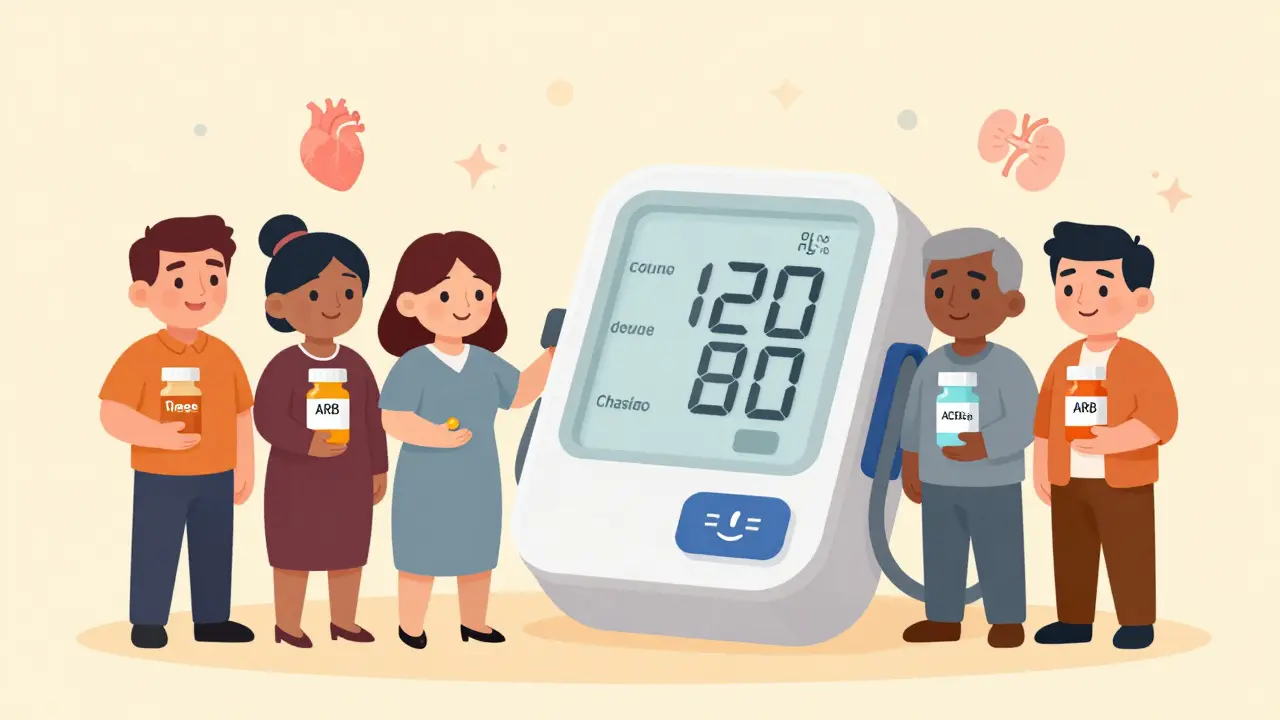
Learn the types of blood pressure medications, their side effects, and how to stay safe while taking them. Understand why combination therapy is often needed and how to stick with your treatment long-term.
Read more
Learn why carrying medications in original containers is critical for safe travel-whether flying domestically or internationally. Avoid delays, legal trouble, and confiscated meds with this practical guide.
Read more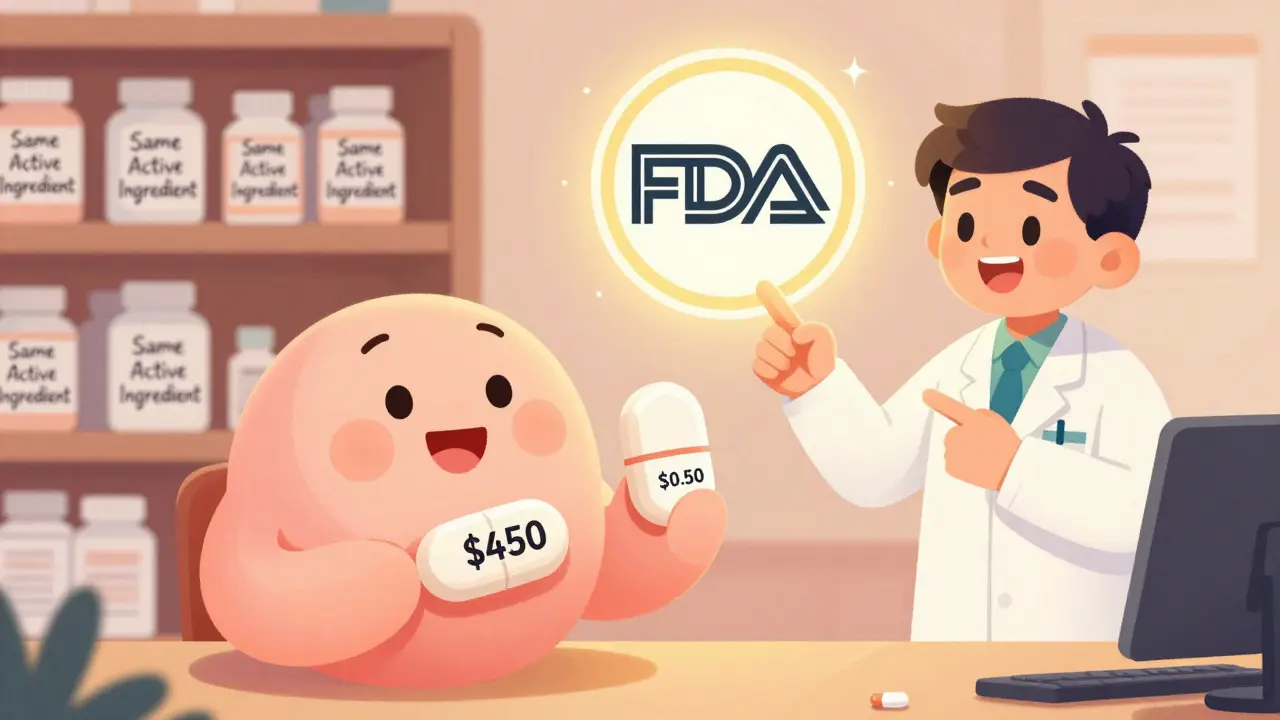
Generics save up to 90% on prescription costs without sacrificing safety. Learn how to use them wisely, avoid hidden risks, and stay consistent for best results.
Read more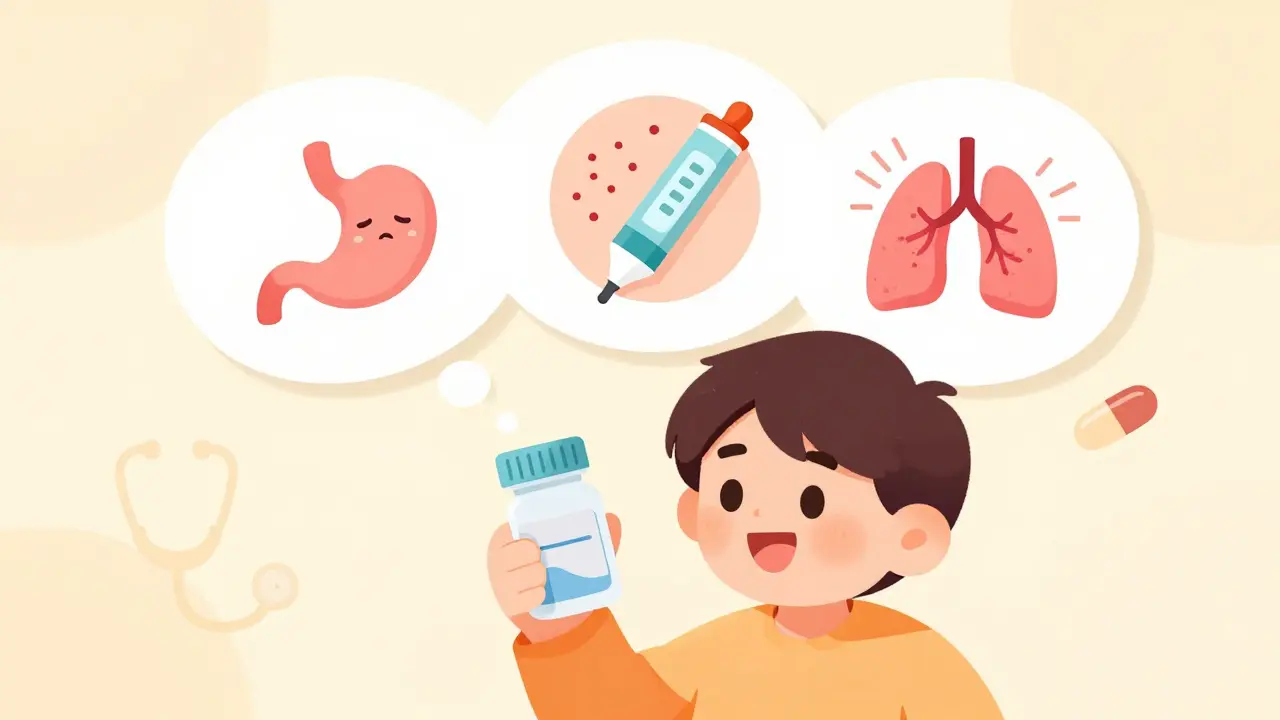
Learn how to tell the difference between side effects, true drug allergies, and intolerance - and why mislabeling them can put your health at risk. Most reactions aren’t allergies - and you might be able to safely take the meds you’ve been avoiding.
Read more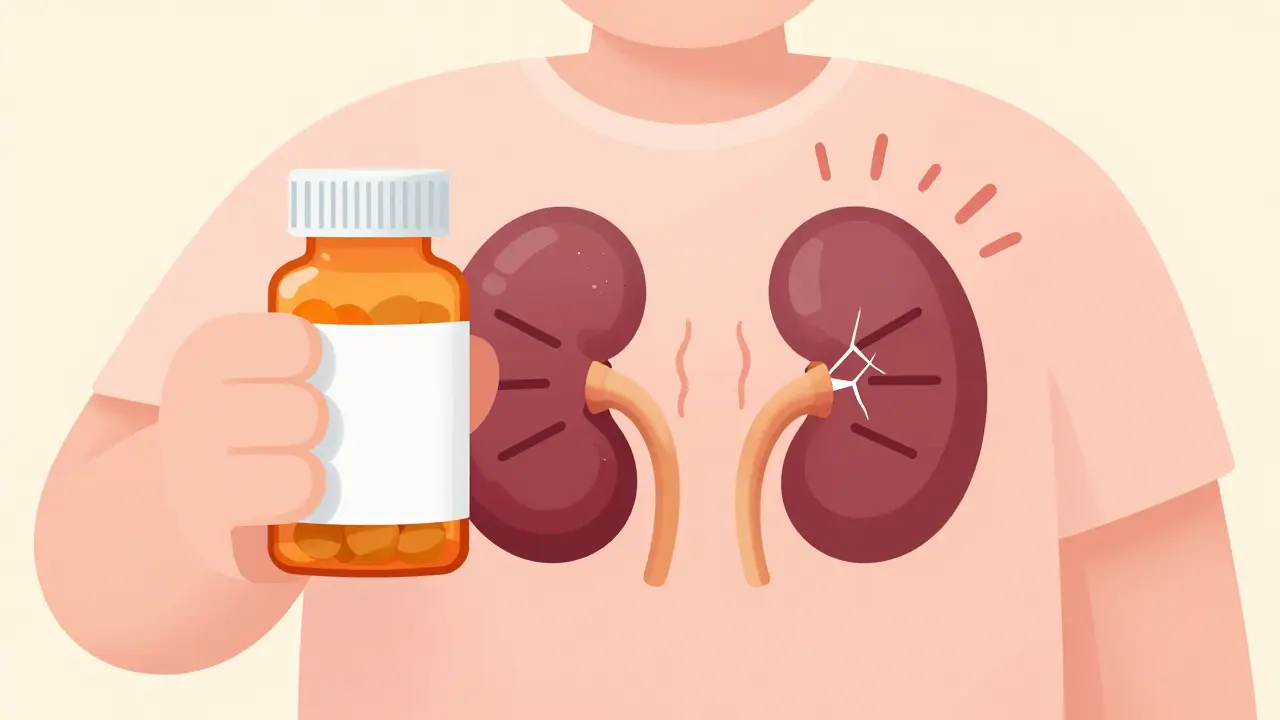
NSAIDs like ibuprofen and naproxen can cause kidney damage, especially in those with existing kidney issues. Learn how to prevent acute kidney injury (AKI) through safe usage practices, alternatives, and recognizing early symptoms. Key strategies include avoiding the 'triple whammy' combo, monitoring kidney function, and choosing safer pain relievers when necessary.
Read more