NSAID Kidney Risk Calculator
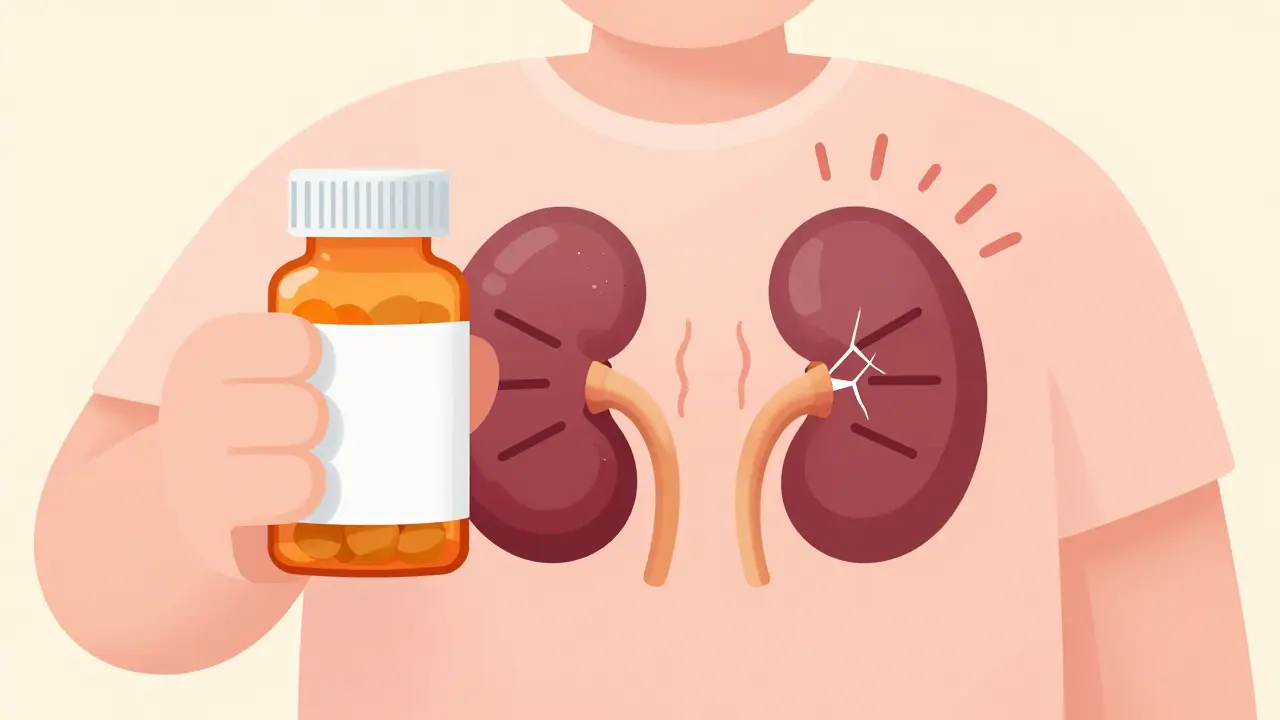
This tool assesses your risk of NSAID-induced kidney injury based on your health status and medication use. The article explains that NSAIDs can cause acute kidney injury, especially when combined with other factors.
Your Kidney Risk Assessment
Key Information: According to the article, the "triple whammy" (NSAIDs + ACE inhibitors/ARBs + diuretics) increases AKI risk by 31% overall and up to 82% in the first 30 days. Topical NSAIDs reduce systemic kidney exposure by 70-80%.
If you have kidney disease or risk factors, consider safer alternatives like acetaminophen or topical NSAID gels.
Every day, NSAIDsNonsteroidal anti-inflammatory drugs (NSAIDs) help millions manage pain and inflammation. But these common medications carry a hidden risk: they can cause acute kidney injury (AKI), especially if you have existing kidney issues. In fact, NSAIDs contribute to 1-5% of all AKI cases in hospitalized patients. Over 30 million people use NSAIDs daily worldwide, and many don’t realize how easily they can harm their kidneys.
How NSAIDs Harm Your Kidneys
NSAIDs block COX enzymescyclooxygenase enzymes that produce prostaglandins, which your kidneys need to maintain blood flow. Without enough prostaglandins, blood vessels in your kidneys narrow, reducing oxygen supply. This triggers acute kidney injurya sudden loss of kidney function in two main ways. The first is a hemodynamic pathway-70-80% of NSAID-related kidney issues-where reduced blood flow starves kidney tissue. The second is acute interstitial nephritisan immune reaction damaging kidney tissue, which causes inflammation and scarring. Both can happen quickly, sometimes within hours of taking NSAIDs.
Who’s Most at Risk?
You’re at higher risk if you’re over 65, have pre-existing kidney disease (e.g., eGFRestimated glomerular filtration rate below 60 mL/min/1.73m²), are dehydrated, or take certain medications. The "triple whammyNSAIDs plus ACE inhibitors/ARBs plus diuretics" combo is especially dangerous. This combination increases AKI risk by 31% overall and up to 82% in the first 30 days. People with heart failure, liver disease, or diabetes also face elevated risks. Even healthy adults can develop kidney issues if they take high doses of NSAIDs while dehydrated, like during intense exercise or illness.
Practical Prevention Strategies
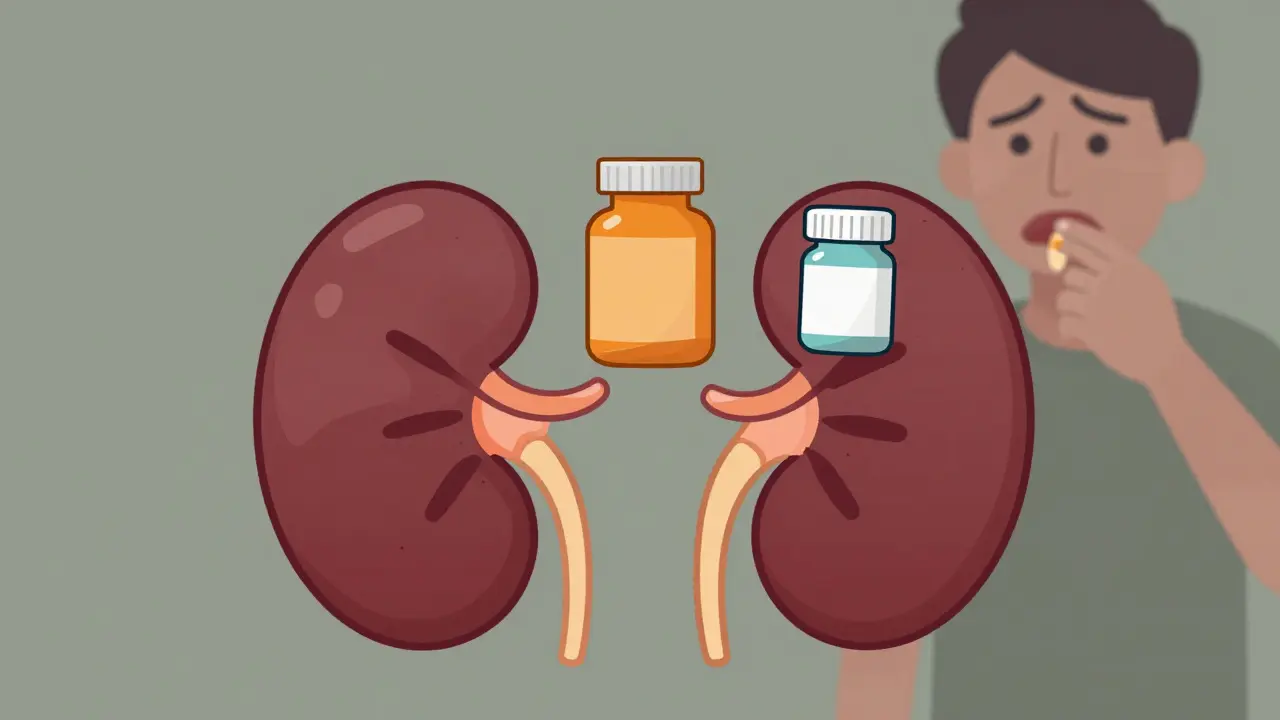
Protecting your kidneys starts with simple steps. First, get your eGFR checked before using NSAIDs long-term. If it’s below 60, avoid NSAIDs unless your doctor approves. Second, never combine NSAIDs with ACE inhibitors, ARBs, or diuretics without medical supervision. Third, limit NSAID use to 7-10 days for acute pain. For chronic pain, ask your doctor about alternatives like acetaminophena safer pain reliever for kidneys or topical NSAID gels. These gels deliver medication directly to the skin, reducing systemic exposure by 70-80% and cutting kidney risk significantly.
| NSAID Type | AKI Risk | Cardiovascular Risk | Best For |
|---|---|---|---|
| Non-selective (ibuprofen, naproxen) | High | Low | Short-term pain, inflammation |
| Cox-2 inhibitors (celecoxib) | 20-30% lower than non-selective | Higher | Patients with heart risks |
| Topical NSAIDs | 40-50% lower systemic risk | Minimal | Localized joint/muscle pain |
| Acetaminophen | Very low | Very low | General pain without inflammation |

Recognizing Early Symptoms
NSAID-induced kidney damage often shows no obvious symptoms at first. But watch for these red flags: reduced urine output (less than 500 mL/day), swelling in legs or ankles, unexplained fatigue, nausea, or confusion. If you notice these, stop NSAIDs immediately and contact your doctor. Many cases go undetected until blood tests reveal elevated creatinine levels-by then, significant damage may have occurred. Regular kidney checkups are crucial, especially if you take NSAIDs regularly.
When to Seek Help
Don’t wait for symptoms to worsen. If you have kidney disease, heart failure, or are over 65, talk to your doctor before using NSAIDs. They can recommend safer pain management options like physical therapy, heat therapy, or prescription medications with lower kidney risks. For example, a 2024 study found that topical diclofenac reduced kidney injury risk by 60% compared to oral NSAIDs in arthritis patients. Remember, even "over-the-counter" NSAIDs aren’t risk-free-always use them as directed and never exceed recommended doses.
Can NSAIDs cause permanent kidney damage?
Yes, especially with long-term use or in high-risk individuals. Chronic NSAID use increases the risk of developing chronic kidney disease (CKD) by 24% and accelerates CKD progression by 50%. Early detection and stopping NSAIDs can prevent permanent damage, but untreated cases may lead to irreversible scarring or kidney failure.
How long does it take for NSAIDs to damage kidneys?
In susceptible people, kidney injury can occur within hours to days. For example, the "triple whammy" combo (NSAIDs + ACE inhibitors + diuretics) can cause acute kidney injury within 24-72 hours. Chronic use over months or years increases the risk of gradual kidney damage, but even a single high dose can trigger issues in vulnerable individuals.
Is it safe to take ibuprofen with high blood pressure?
Not without medical advice. NSAIDs can worsen hypertension and interfere with blood pressure medications like ACE inhibitors. If you have high blood pressure, consult your doctor before using ibuprofen. They may recommend alternatives like acetaminophen or topical pain relief to avoid complications.
What’s the safest pain reliever for people with kidney disease?
Acetaminophen (Tylenol) is generally the safest option for kidney patients when used at recommended doses (up to 3,000 mg/day). Topical NSAID gels may also work for localized pain. Always consult a nephrologist before using any pain medication-some "safe" options like aspirin can still harm kidneys in high doses or with certain conditions.
How can I check my kidney function at home?
You can’t reliably check kidney function at home. eGFR and urine tests require lab work. However, watch for symptoms like reduced urine output, swelling, or fatigue. If concerned, ask your doctor for a simple blood test (creatinine) and urine albumin-to-creatinine ratio (ACR). Early detection is key to preventing serious damage.

Brendan Ferguson
NSAIDs are commonly used for pain relief but their impact on kidney health is often overlooked. The kidneys rely on prostaglandins to maintain blood flow, and NSAIDs inhibit these, leading to reduced blood flow. This can cause acute kidney injury within hours, especially in vulnerable individuals. People over 65, those with existing kidney disease, or those on certain medications like ACE inhibitors are at higher risk. The combination of NSAIDs with diuretics and ACE inhibitors is particularly dangerous, increasing AKI risk by up to 82% in the first month. It's crucial to get your eGFR checked before long-term NSAID use. If it's below 60, avoid NSAIDs unless approved by your doctor. For chronic pain, alternatives like acetaminophen or topical NSAID gels are safer. Topical gels reduce systemic exposure by 70-80%, lowering kidney risk significantly. Always limit NSAID use to 7-10 days for acute pain. Watch for symptoms like reduced urine output, swelling, or fatigue. Regular kidney checkups are essential, especially if you take NSAIDs regularly. Even healthy adults can develop issues if dehydrated during intense exercise. Early detection is key to preventing permanent damage. It's better to be cautious than to risk kidney failure.
Rene Krikhaar
Thanks for the detailed info Brendan this really highlights how important it is to be cautious with NSAIDs Ive seen patients with kidney issues from overuse Always check with your doctor before taking them long-term Its easy to forget they're not harmless Small steps can make a big difference
jan civil
Topical NSAIDs reduce kidney risk significantly.
Matthew Morales
Yeah totally! Topical ones are way better for my back pain 😌 No stomach issues either But I still need to check with my doc Typos everywhere today lol
Carl Crista
NSAIDs are perfectly safe The real danger is from the government and pharmaceutical companies hiding the truth They want you to think they're harmful to sell more expensive drugs Trust me Ive done the research Its all a scam
Georgeana Chantie
You're a conspiracy theorist NSAIDs are safe The US regulates drugs properly Dont spread fear America is great 🇺🇸
Carol Woulfe
Your nationalism is misplaced The regulatory system has flaws Evidence shows NSAIDs do cause kidney damage Ignoring facts is dangerous Your lack of critical thinking is concerning
Jennifer Aronson
In many countries public health campaigns emphasize proper NSAID use Education is key to reducing AKI cases Always consult a healthcare provider for personalized advice