Therapeutic equivalence in combination drugs isn't as simple as matching active ingredients. Dose differences, inactive ingredients, and narrow therapeutic index drugs can lead to dangerous errors. Learn how to manage substitutions safely.
Read more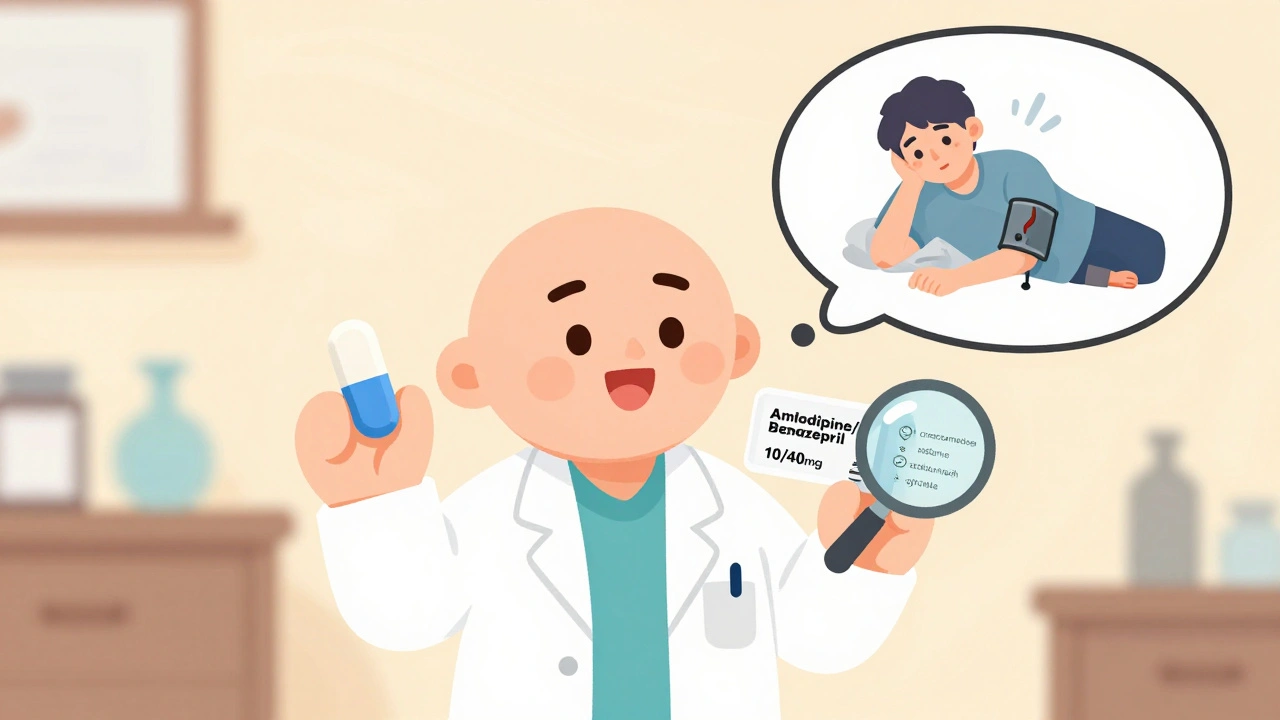
When we talk about NTI drugs, drugs with a narrow therapeutic index where small changes in dose can lead to serious side effects or treatment failure. Also known as narrow therapeutic index drugs, these medications demand precision—whether you’re taking them, prescribing them, or filling the prescription. Unlike most drugs where a little more or less won’t make much difference, NTI drugs sit on a razor’s edge. Take too little, and the condition comes back. Take too much, and you risk toxicity, organ damage, or even death.
This is why switching from a brand-name NTI drug to a generic version isn’t just a simple cost-saving move. The bioequivalence, the measure of how similarly a generic drug is absorbed into the body compared to the brand version standards for NTI drugs are stricter. The FDA doesn’t just require generics to match the brand within 80–125%—for these drugs, they often demand tighter limits. That’s because even a 5% difference in absorption can push someone from safe to dangerous. That’s not theory. It’s why warfarin, lithium, phenytoin, and levothyroxine are on every pharmacist’s watchlist. These aren’t just any pills—they’re high-alert medications, and the data backs it up: medication errors involving NTI drugs are among the most common causes of preventable hospital harm.
That’s also why the Hatch-Waxman Amendments, the 1984 law that created the modern generic drug approval system included special rules for NTI drugs. Manufacturers can’t just claim equivalence—they must prove it through detailed pharmacokinetic studies. And even then, some patients still react differently to generics. That’s not because generics are unsafe—it’s because human bodies vary. A person’s metabolism, kidney function, or even what they ate that morning can shift how the drug behaves. That’s why patient counseling matters. Pharmacists need to explain why consistency is critical: don’t switch brands without talking to your provider. Don’t crush, split, or change the timing. And if you feel off after a refill, speak up—because your body might be telling you something the label doesn’t.
What you’ll find below isn’t just a list of articles. It’s a practical guide to navigating the real-world risks and realities of NTI drugs. From how bioequivalence studies are done, to why generic shortages hit these drugs hardest, to how pharmacists help patients avoid dangerous mistakes—you’ll see exactly how science, regulation, and human behavior intersect. These aren’t abstract concepts. They’re the reason someone lives or ends up in the ER. And if you’re taking one of these drugs—or helping someone who does—you need to know the facts, not just the marketing.
Therapeutic equivalence in combination drugs isn't as simple as matching active ingredients. Dose differences, inactive ingredients, and narrow therapeutic index drugs can lead to dangerous errors. Learn how to manage substitutions safely.
Read more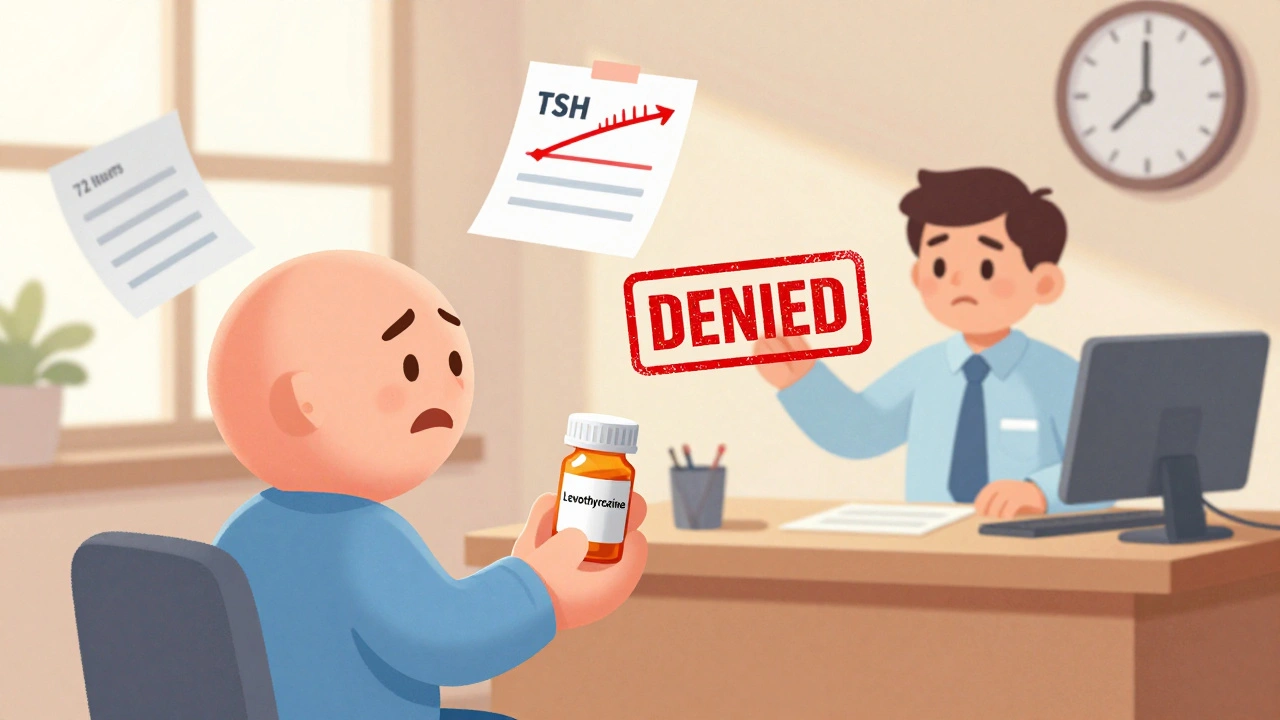
Prior authorization for NTI drugs often delays life-saving medications despite clinical evidence showing generics can be dangerous. Learn why insurers require brand-name versions and what patients can do to get faster access.
Read more