Narrow Therapeutic Index: What It Means for Your Medication Safety
When a drug has a narrow therapeutic index, a small difference between the dose that works and the dose that causes harm. Also known as a narrow therapeutic window, it means your body can’t tolerate much variation—too little and the drug doesn’t work; too much and you risk serious side effects or even death. This isn’t just a technical term. It’s a life-or-death detail for people taking drugs like warfarin, lithium, digoxin, or phenytoin. These aren’t random pills—they’re high-alert medications that demand precision.
That’s why bioequivalence studies, the tests that prove generic drugs behave the same as brand-name versions matter so much here. The FDA doesn’t just require generics to have the same active ingredient—they must match the brand’s absorption rate within strict limits (80% to 125% of the original). For drugs with a narrow therapeutic index, even a 5% difference in how fast your body absorbs the drug can throw off your whole treatment. That’s why pharmacists don’t just hand out generics for these meds—they talk to you. They check your blood levels. They watch for signs of toxicity or underdosing.
And it’s not just about generics. high-alert medications, drugs with a high risk of causing serious harm if misused are tracked closely in hospitals. Barcode systems, double-checks, and medication reconciliation aren’t bureaucracy—they’re shields against errors that kill. One wrong dose of lithium can land you in the ICU. One missed lab test on warfarin can cause a stroke. That’s why these drugs are listed in every safety protocol, and why you’ll see them mentioned again and again in posts about medication safety, pharmacist counseling, and drug shortages.
What you’ll find in these articles isn’t theory. It’s real-world advice from pharmacists, nurses, and researchers who’ve seen what happens when this balance breaks. You’ll learn how to spot when a generic switch might be risky, why your doctor orders regular blood tests, how food or other drugs can change how these meds work, and what to do if you’re told your prescription has changed. These aren’t just facts—they’re tools to help you stay in control of your health when the margin for error is razor-thin.
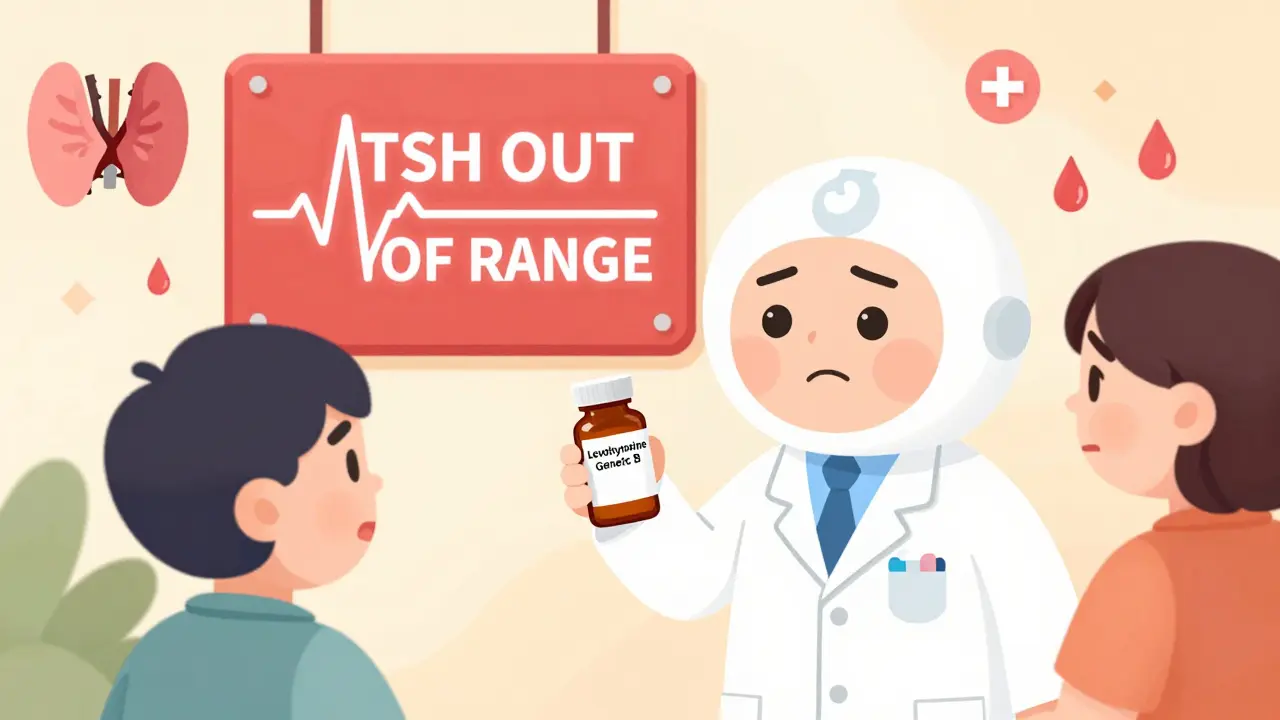
Pharmacists are raising alarms about NTI generics-medications like warfarin and levothyroxine where tiny dosage changes can cause serious harm. Learn why substitution risks are rising, what’s being done, and how patients and providers can stay safe.
Read more
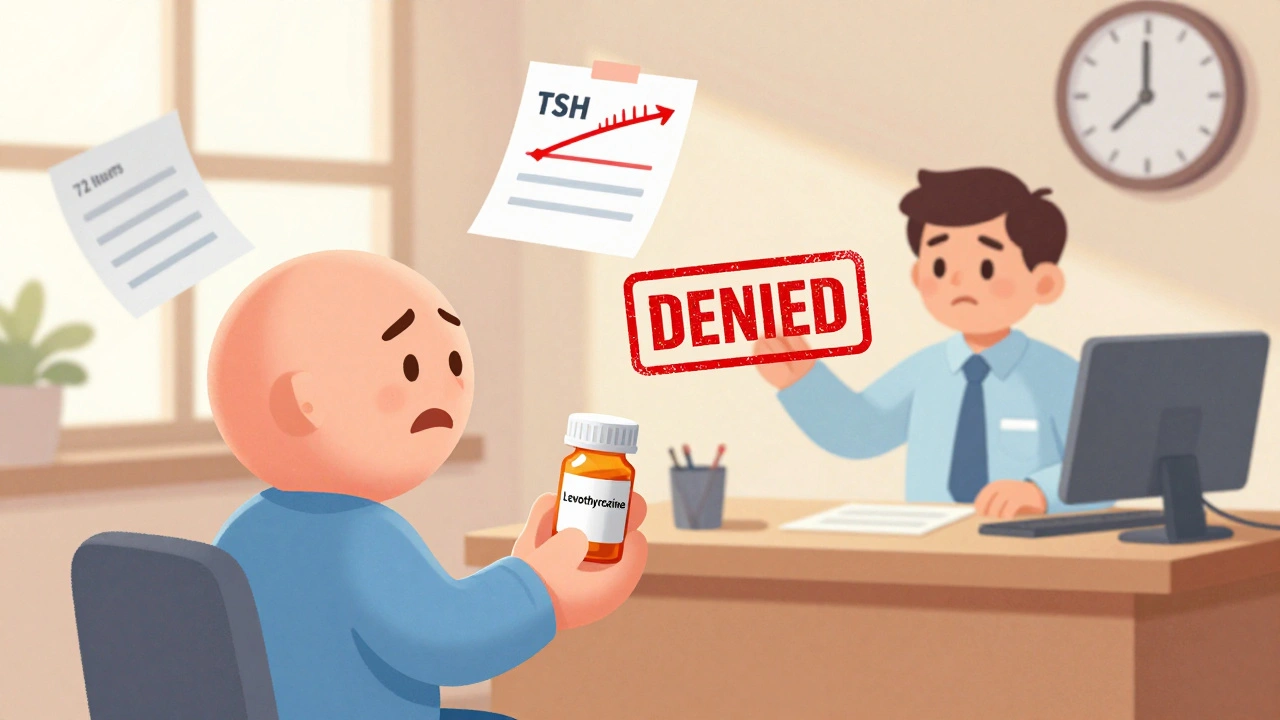
Prior authorization for NTI drugs often delays life-saving medications despite clinical evidence showing generics can be dangerous. Learn why insurers require brand-name versions and what patients can do to get faster access.
Read more