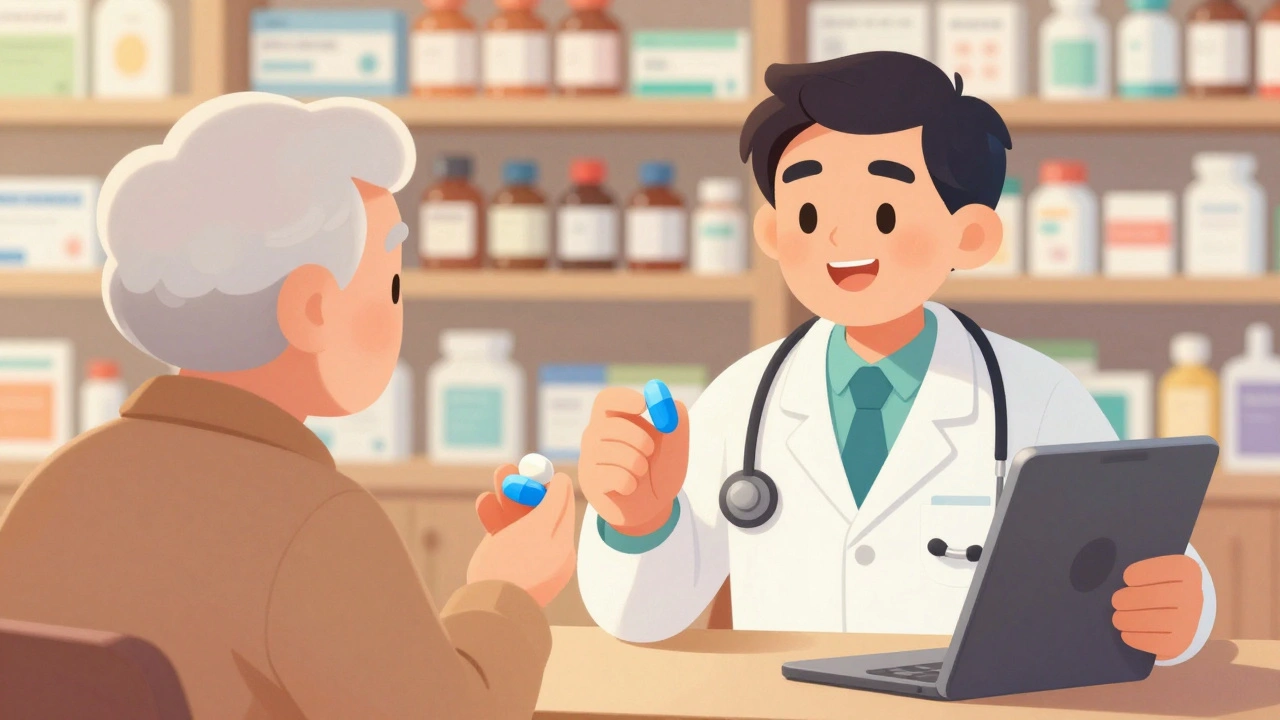
Medication Adherence: Why Taking Pills Right Matters More Than You Think
When you’re told to take a drug every day, medication adherence, the practice of taking medications exactly as prescribed. Also known as drug compliance, it’s not just a checkbox on a doctor’s form—it’s the difference between getting better and getting sicker. Millions of people skip doses, take pills at the wrong time, or stop altogether because they feel fine. But for conditions like high blood pressure, diabetes, or depression, feeling fine is often just the calm before the storm.
Medication errors, mistakes in how drugs are taken, prescribed, or managed are one of the top causes of preventable harm in healthcare. A missed dose of an antibiotic can turn a simple infection into a life-threatening one. Skipping blood pressure meds can lead to stroke. For people on blood thinners or epilepsy drugs, even one missed pill can trigger a crisis. And nonadherence, when patients don’t follow their treatment plan isn’t just about forgetfulness—it’s often about cost, side effects, confusion, or feeling like the medicine isn’t working.
Why do people stop taking their meds? Sometimes it’s because they can’t afford them. Other times, they’re overwhelmed by too many pills, or they don’t understand why they need them. Some think if they feel better, the drug isn’t needed anymore. But for chronic diseases, the drug isn’t curing the problem—it’s holding it at bay. Stopping it doesn’t mean you’re healed. It means you’re letting the disease back in.
And it’s not just about the pills themselves. Pill timing, when and how you take your medication relative to meals, sleep, or other drugs matters just as much. Some drugs need to be taken on an empty stomach. Others work better with food. Mixing them up can cut their power in half—or make them dangerous. That’s why the same drug can work perfectly for one person and fail for another, even if they’re both "adherent."
What’s surprising is that most people who don’t take their meds aren’t rebels or careless. They’re tired. Overwhelmed. Confused. Or scared of side effects. The solution isn’t more lectures. It’s simpler systems: pill organizers, phone reminders, family support, and clear explanations from providers. Even small changes—like tying pill-taking to brushing your teeth—can make a huge difference.
The posts below dig into the real-world reasons why adherence breaks down—and how to fix it. You’ll find guides on avoiding medication errors in hospitals, how generic drugs help people stick to their regimens by cutting costs, what to do when side effects scare you off, and how to spot when a drug isn’t working because you’re not taking it right—not because it’s broken. This isn’t theory. It’s what happens when real people try to manage real illnesses with real limits.
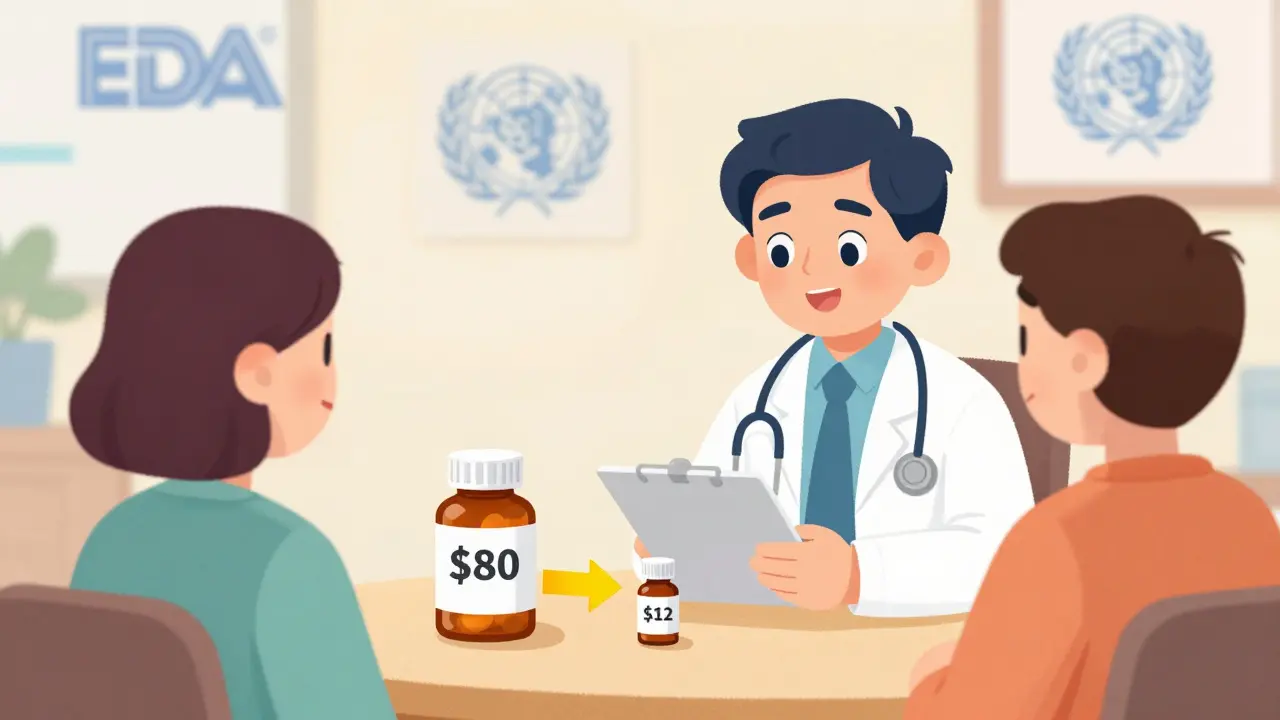
Healthcare providers play a vital role in helping patients afford and adhere to medications by advocating for appropriate generic use. Learn how clear communication, cost transparency, and trust-building can improve outcomes and reduce abandonment rates.
Read more
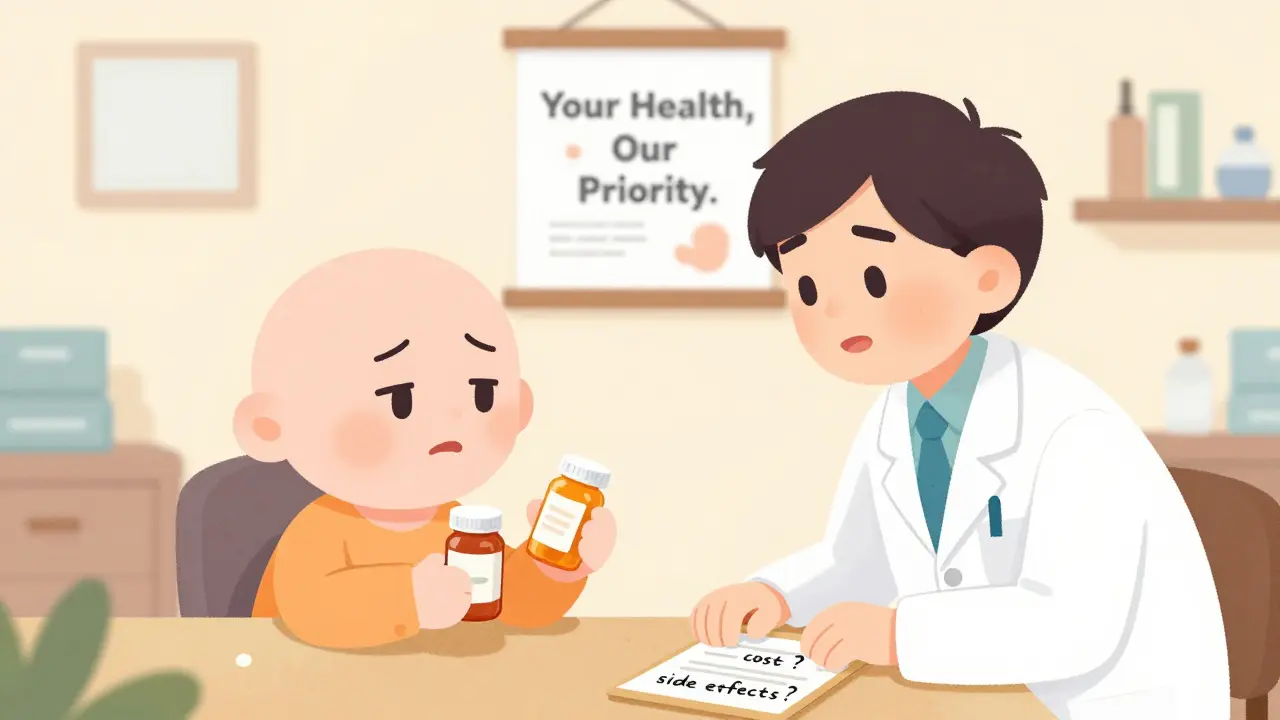
Learn how to talk openly with your doctor about missing doses, side effects, or cost issues with your medications. Simple communication techniques can improve adherence, prevent hospital visits, and save your health.
Read more
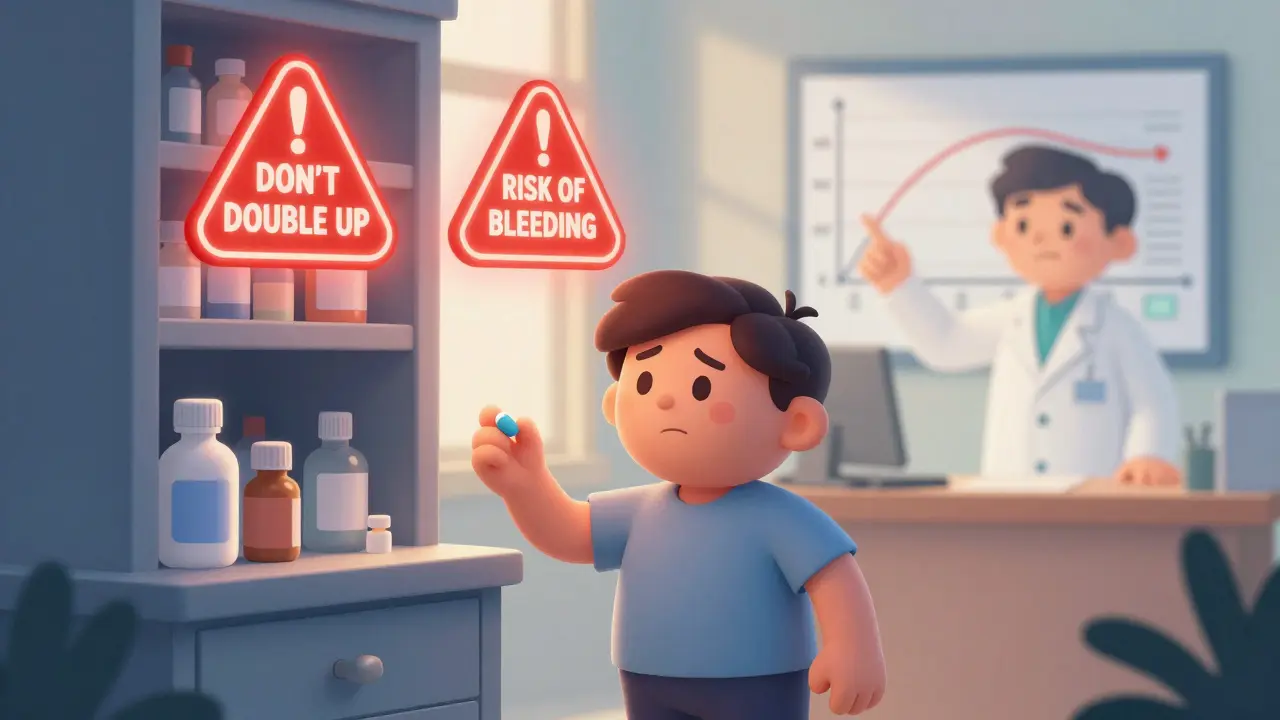
Never double up on missed medication doses-it can be dangerous. Learn the safe, science-backed rules for what to do when you forget a pill, based on drug type, timing, and risk level.
Read more
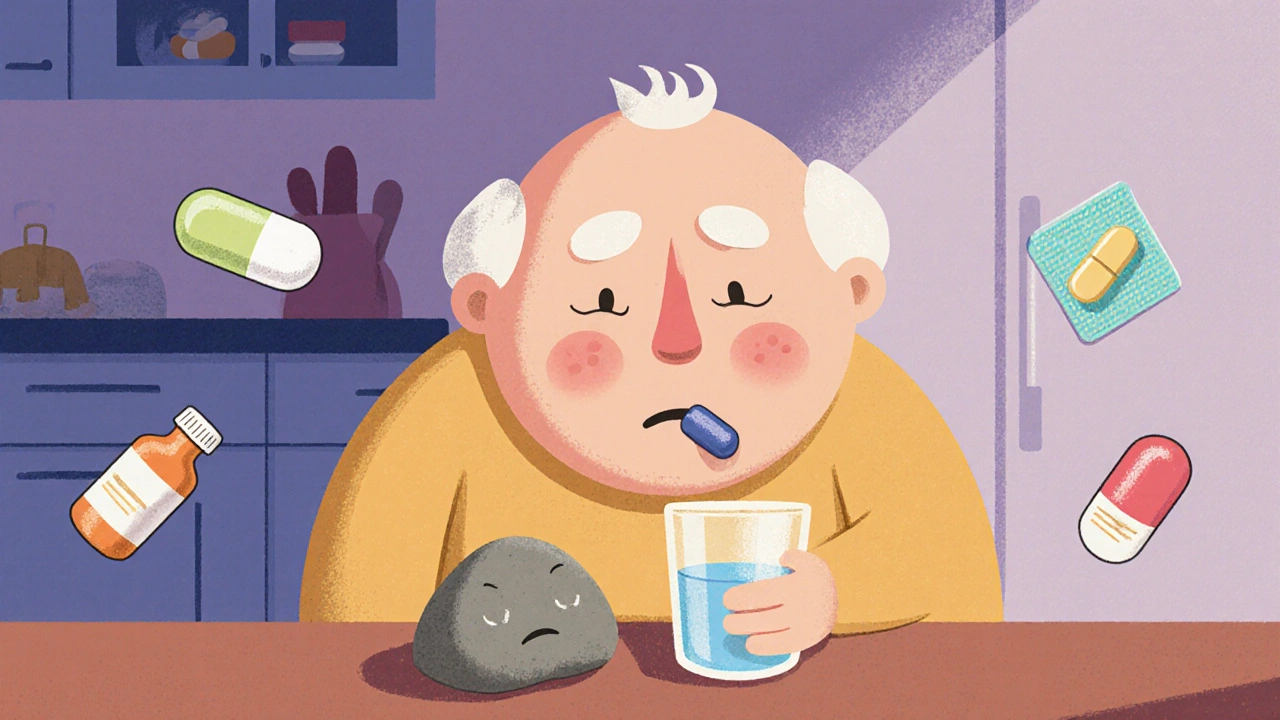
Swallowing difficulties make it hard to take medicine, but crushing pills can be dangerous. Learn safe alternatives like liquid forms, dissolvable tablets, swallowing techniques, and how to work with your care team to stay on track.
Read more