Compare the true costs of branded combo pills versus individual generic drugs. Understand the financial impact on Medicare and personal budgets, and learn practical steps to reduce your medication expenses.
Read more
When you hear generic medications, lower-cost versions of brand-name drugs that contain the same active ingredients, dosage, and intended use. Also known as generic drugs, they are approved by the FDA to work just like the original—without the marketing price tag. Most people don’t realize that 90% of prescriptions filled in the U.S. are for generics. They’re not cheaper because they’re weaker. They’re cheaper because companies don’t have to spend millions re-proving the drug works—someone already did.
The FDA doesn’t just let any company slap a label on a pill and call it generic. Every bioequivalence study, a scientific test proving a generic drug absorbs into the body at the same rate and level as the brand-name version must pass strict standards. The 80/125 rule means the generic’s absorption can’t be more than 20% higher or lower than the original. That’s not guesswork—it’s lab-tested science. And when you see a generic drug shortage, a sudden lack of affordable versions of essential medicines due to manufacturing issues or low profit margins, it’s often because the factory making it is overseas, or the price is too low to keep production running. That’s why you might go from paying $4 for metformin to $40 overnight.
It’s not just about cost. It’s about access. People skip doses or stop taking meds because they can’t afford them. Generic medications keep chronic conditions like high blood pressure, diabetes, and depression manageable for millions. But not all generics are created equal. Some are made in plants with poor quality control. Others get pulled because of contamination or packaging errors. That’s why knowing the difference between a FDA-approved generic, a drug that has passed all required testing and is legally sold in the U.S. and a sketchy online version matters. You can save money without risking your health—if you know where to look.
Below, you’ll find real stories and facts about how generics are made, why they sometimes vanish from shelves, how to spot safe sources, and what to do when your usual pill suddenly changes shape or color. Whether you’re on a statin, an antidepressant, or a blood pressure med, this collection gives you the tools to understand what’s in your medicine cabinet—and why it works.
Compare the true costs of branded combo pills versus individual generic drugs. Understand the financial impact on Medicare and personal budgets, and learn practical steps to reduce your medication expenses.
Read more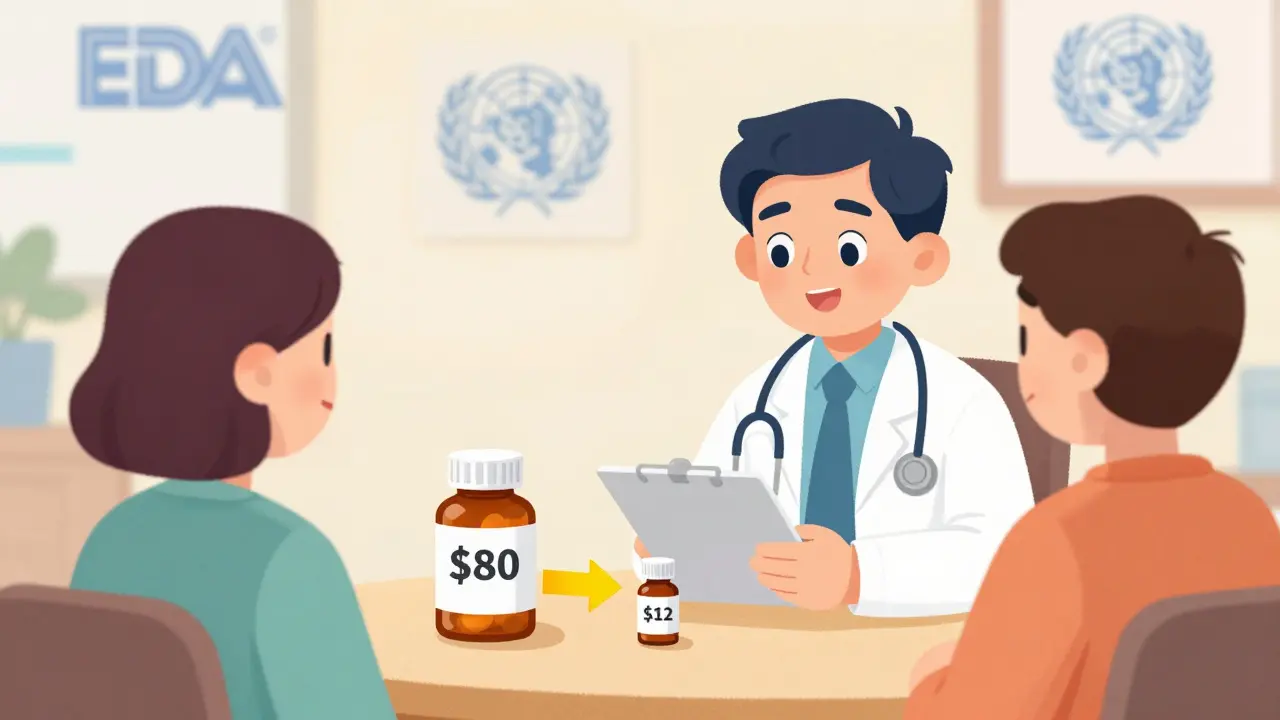
Healthcare providers play a vital role in helping patients afford and adhere to medications by advocating for appropriate generic use. Learn how clear communication, cost transparency, and trust-building can improve outcomes and reduce abandonment rates.
Read more
Clinical studies show generic drugs are just as effective as brand-name versions for most conditions. But for drugs with narrow therapeutic windows, small differences can matter. Here's what the data really says.
Read more