Generic drugs work for most people, but some report new side effects after switching. Is it the medicine-or your mind? Here’s what the science says about safety, inactive ingredients, and why you might feel worse.
Read more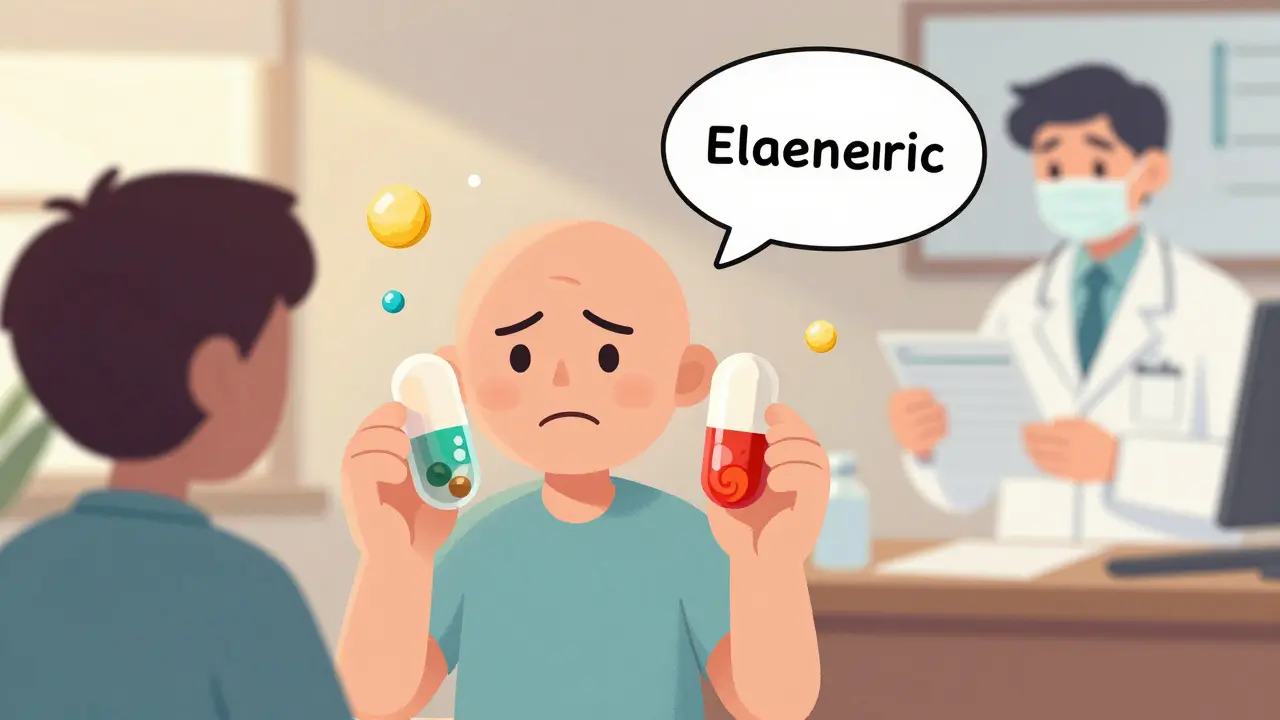
When you hear generic drugs, lower-cost versions of brand-name medications that contain the same active ingredients and meet the same FDA standards. Also known as generic medications, they are the backbone of affordable healthcare in the U.S. and around the world. Most people assume generics are just cheap knockoffs—but that’s not true. The FDA requires them to work the same way, in the same amount of time, and with the same strength as the brand-name version. In fact, for over 90% of prescriptions, there’s no meaningful difference in how they perform. The only real difference? The price. Generic drugs can cost 80% less, and that’s not marketing—it’s fact.
But here’s the catch: not all generics are created equal when it comes to supply. drug shortages, sudden gaps in the availability of essential medications, often caused by manufacturing issues or supply chain breakdowns. Also known as generic drug shortages, they’ve been rising sharply over the last decade. Why? Because making generic pills isn’t very profitable. Factories shut down, raw ingredients get stuck at ports, and one small plant failure can leave millions without their blood pressure or thyroid meds. It’s not about quality—it’s about economics. And when a generic runs out, you’re stuck waiting, switching brands, or paying more.
Then there’s the science behind why generics work. bioequivalence, the scientific process that proves a generic drug delivers the same amount of active ingredient into your bloodstream at the same rate as the brand-name version. Also known as bioequivalence studies, it’s the reason you can trust your pharmacist’s substitution. The FDA doesn’t just approve generics based on paperwork—they test them in real people. For most drugs, this means your body absorbs them just like the brand. But for a few, like seizure meds or blood thinners, tiny differences in how the drug is absorbed can matter. That’s why doctors sometimes stick with the brand for these cases—not because generics are weak, but because precision matters.
And don’t forget the rules. FDA generic standards, the strict set of manufacturing, testing, and labeling requirements that every generic drug must meet before it hits the shelf. Also known as generic drug regulations, they’re not optional. Every batch is checked. Every pill is tested. Every label is reviewed. If a company cuts corners, the FDA pulls the product. You’re not taking a gamble—you’re getting a regulated, tested, proven medicine at a fraction of the cost.
What you’ll find below isn’t just a list of articles. It’s a practical guide to navigating the world of affordable meds. You’ll learn how to spot fake online pharmacies selling fake generics, why some drugs keep disappearing from shelves, how expiration dates really work for compounded pills, and what the latest research says about whether generics truly match brand-name performance. Whether you’re managing diabetes, depression, high blood pressure, or a chronic condition, this collection gives you the real facts—not the hype. No fluff. Just what you need to stay healthy without overspending.
Generic drugs work for most people, but some report new side effects after switching. Is it the medicine-or your mind? Here’s what the science says about safety, inactive ingredients, and why you might feel worse.
Read more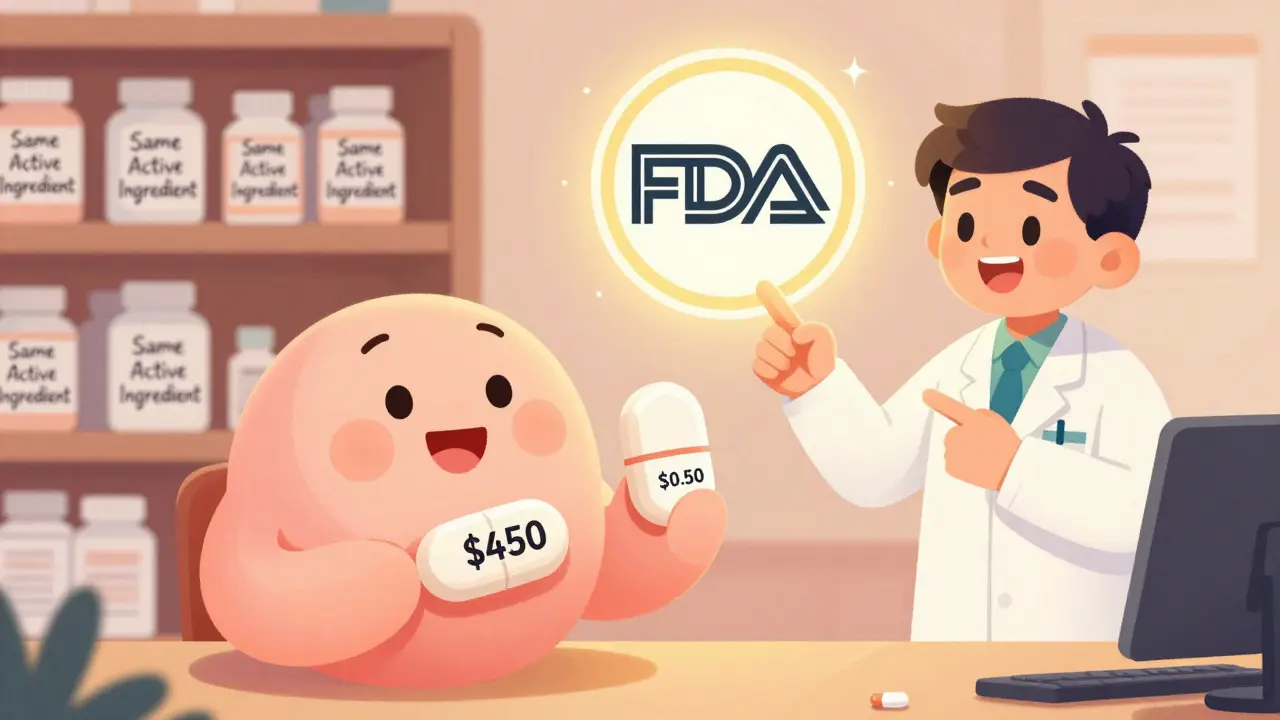
Generics save up to 90% on prescription costs without sacrificing safety. Learn how to use them wisely, avoid hidden risks, and stay consistent for best results.
Read more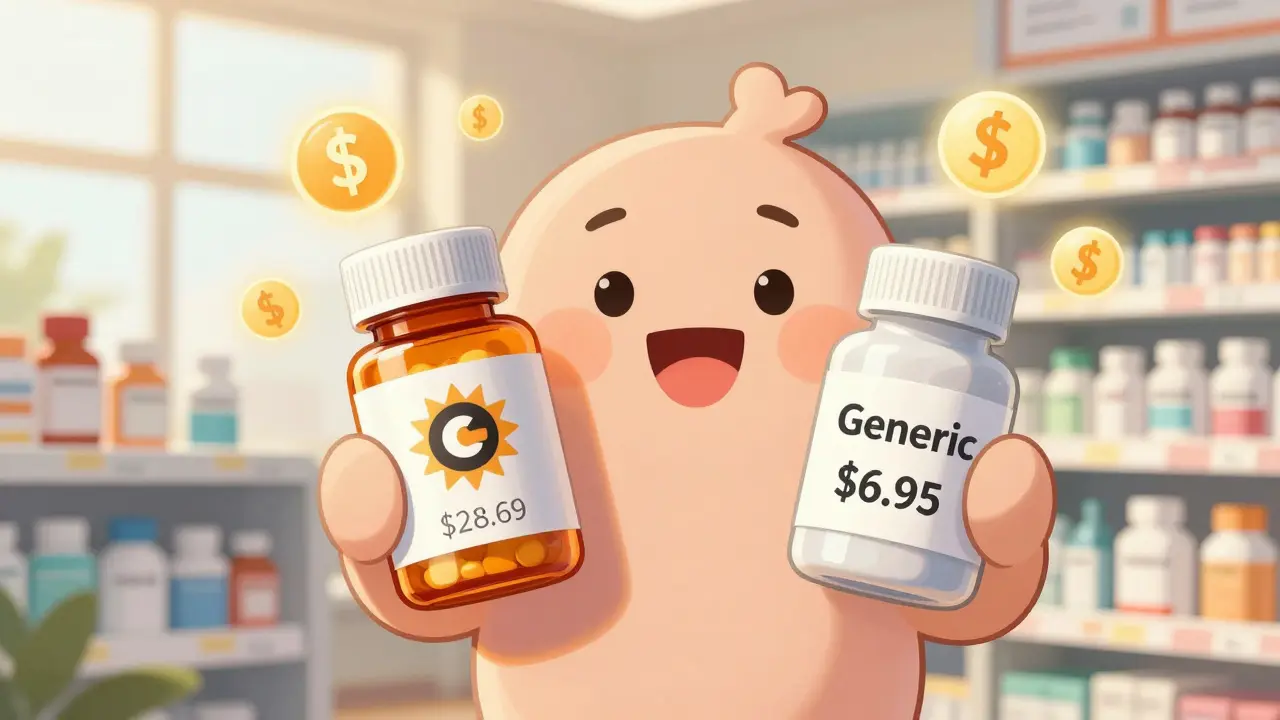
Generic drugs save Americans billions each year-90% of prescriptions are generic, but they cost only 12% of what brand drugs do. Learn the real numbers, how they work, and how to save on your prescriptions today.
Read more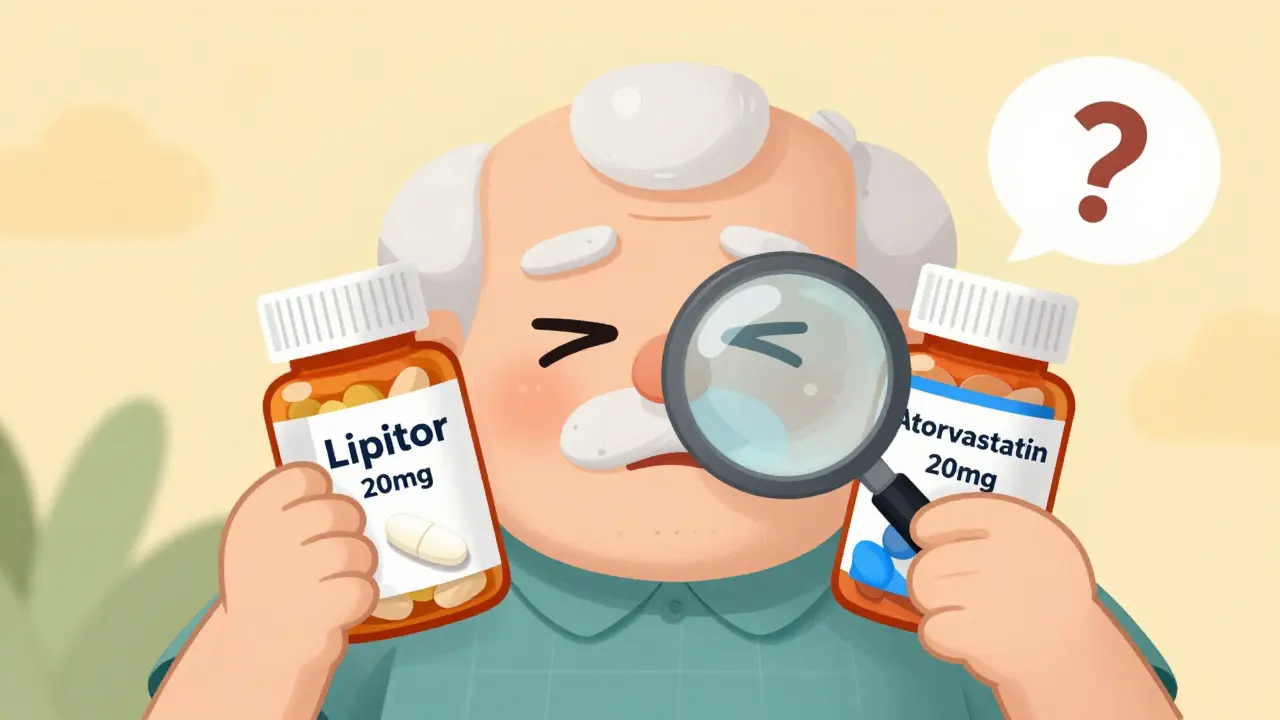
Learn how to safely compare new prescription labels with your old medication to avoid dangerous errors. Know what to check, when to worry, and how to use tools like the FDA's pill identifier.
Read more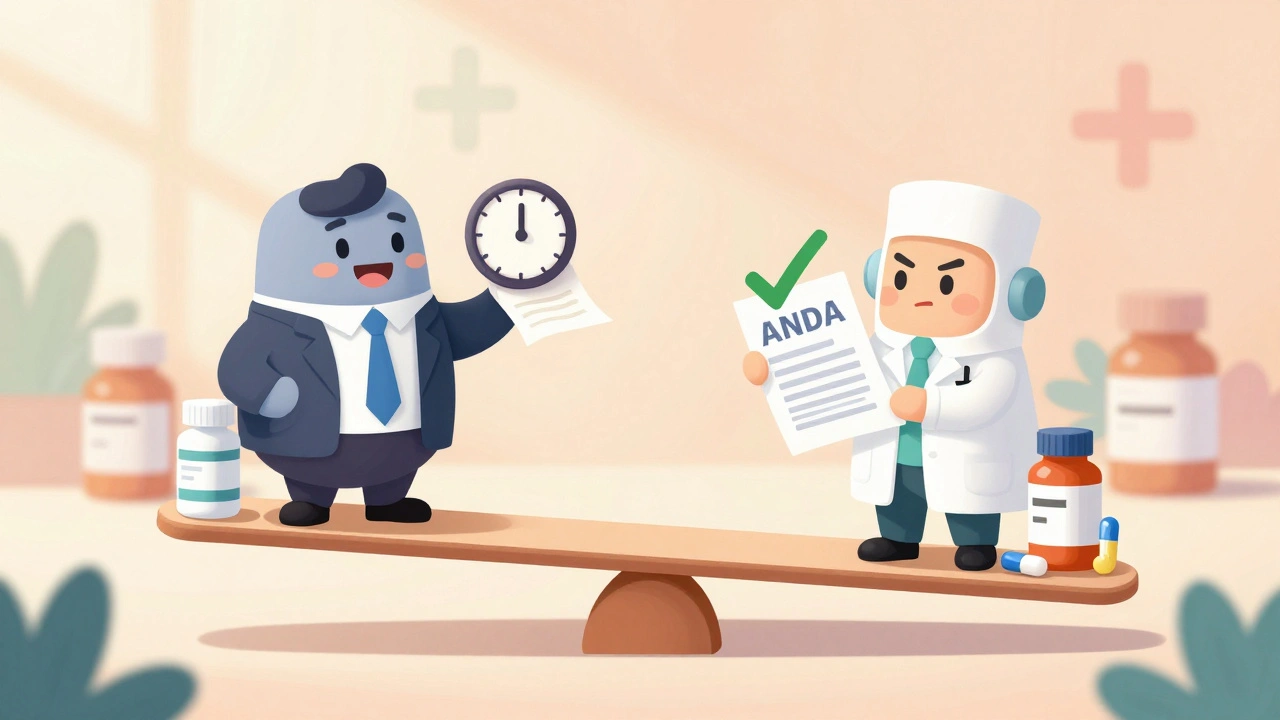
The Hatch-Waxman Amendments of 1984 created the modern generic drug industry by letting companies approve cheaper versions of brand-name drugs without repeating clinical trials. It balanced innovation incentives with faster access to affordable medicines.
Read more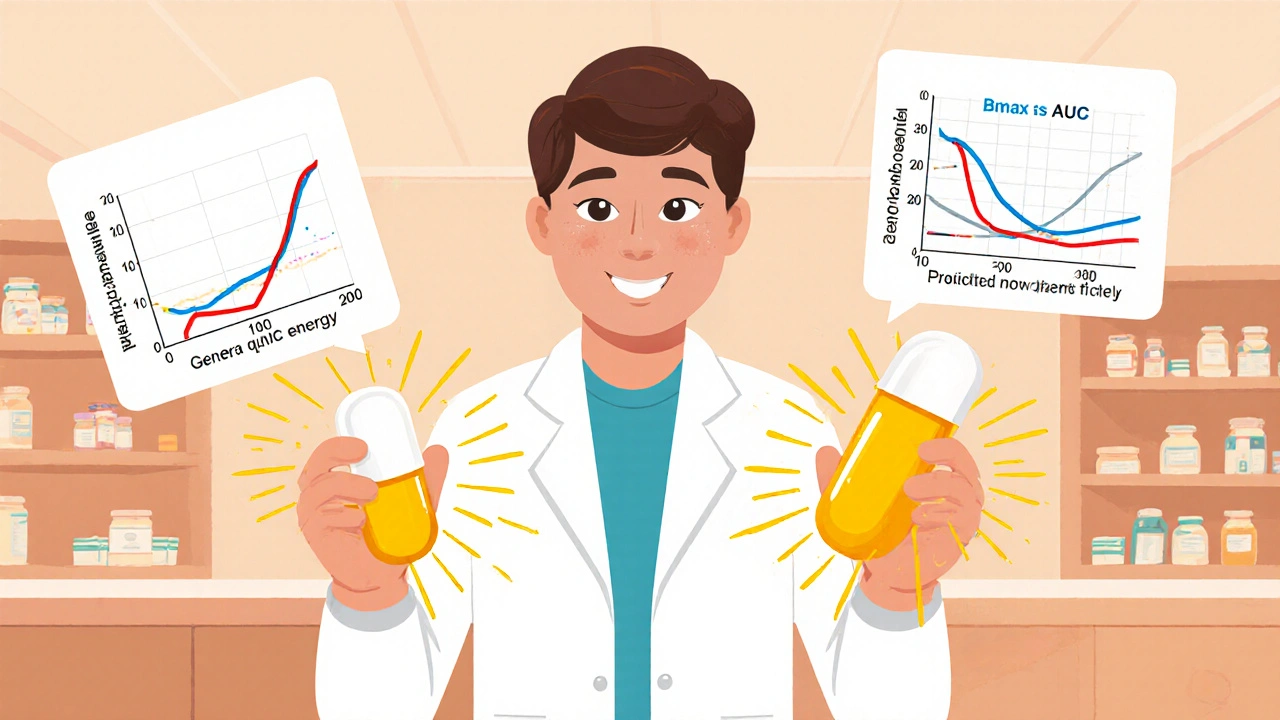
The FDA requires generic drug manufacturers to prove bioequivalence through strict pharmacokinetic studies to ensure their products match the brand-name version in absorption and effectiveness. Learn how the 80/125 rule, biowaivers, and product-specific guidances make generics safe and affordable.
Read more