GLP-1 receptor agonists like Ozempic and Wegovy lower A1c by up to 1.8% and help people lose 15% or more of body weight. Learn how they work, how they compare to other drugs, and what to expect with side effects and long-term use.
Read more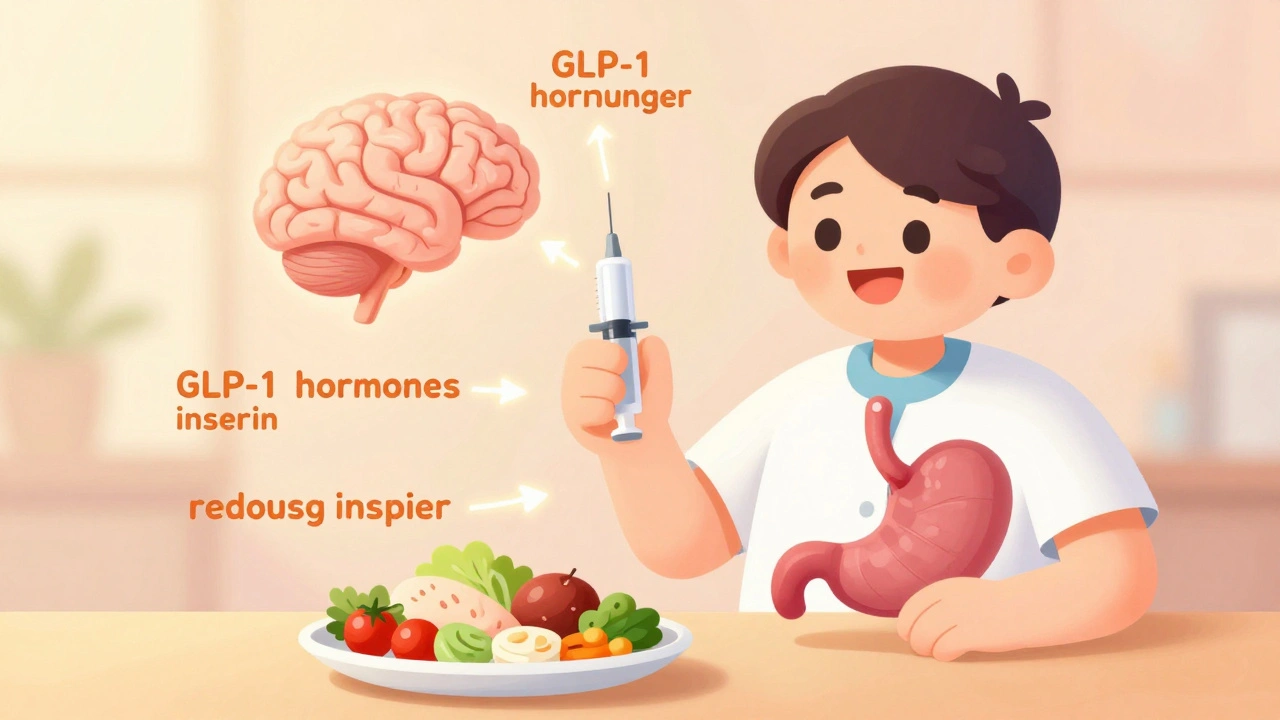
When people talk about weight loss drugs, prescription medications designed to help reduce body weight by affecting appetite, metabolism, or fat absorption. Also known as anti-obesity medications, these aren't magic pills—they're tools that work best when paired with lifestyle changes. Millions use them every year, but many don’t know how they actually function—or what side effects could sneak up on them.
Not all weight loss drugs are the same. Some, like GLP-1 agonists, a class of drugs originally developed for type 2 diabetes that also reduce hunger and slow stomach emptying, mimic natural hormones to make you feel full longer. Others, like appetite suppressants, drugs that act on brain chemicals to decrease cravings, trick your mind into thinking you’ve eaten more than you have. Then there are older options that block fat absorption or speed up metabolism—but many come with risks like high blood pressure, heart palpitations, or even liver damage. The FDA has pulled more than a dozen weight loss drugs off the market since the 1990s for safety reasons. Today’s approved options are far more targeted, but they still require monitoring.
What’s missing from most ads is the truth about long-term use. These drugs often stop working if you stop taking them. Weight tends to come back, sometimes faster than before. That’s why doctors now treat obesity like a chronic condition—not a short-term fix. Studies show people who combine these medications with diet, movement, and behavioral support lose more weight—and keep it off longer. But not everyone qualifies. Insurance often denies coverage unless you have a BMI over 30 with a related condition like high blood pressure or diabetes. And even then, some drugs cost hundreds a month without help.
You’ll find posts here that dig into the real science behind these drugs—what clinical trials actually show, how generics compare to brand names, and why some people respond while others don’t. We’ll break down how food affects absorption, what drug interactions to avoid, and why some weight loss meds can mess with your thyroid or mental health. You’ll also see how supply chain issues can suddenly make a needed drug unavailable, and how pharmacy expiration dates might not match what’s on the bottle. This isn’t about hype. It’s about knowing what’s safe, what’s effective, and what’s just noise.
GLP-1 receptor agonists like Ozempic and Wegovy lower A1c by up to 1.8% and help people lose 15% or more of body weight. Learn how they work, how they compare to other drugs, and what to expect with side effects and long-term use.
Read more