Medication errors kill thousands every year in hospitals and clinics - but most are preventable. Learn how high-alert drugs, barcode systems, and patient involvement are reducing harm and saving lives.
Read more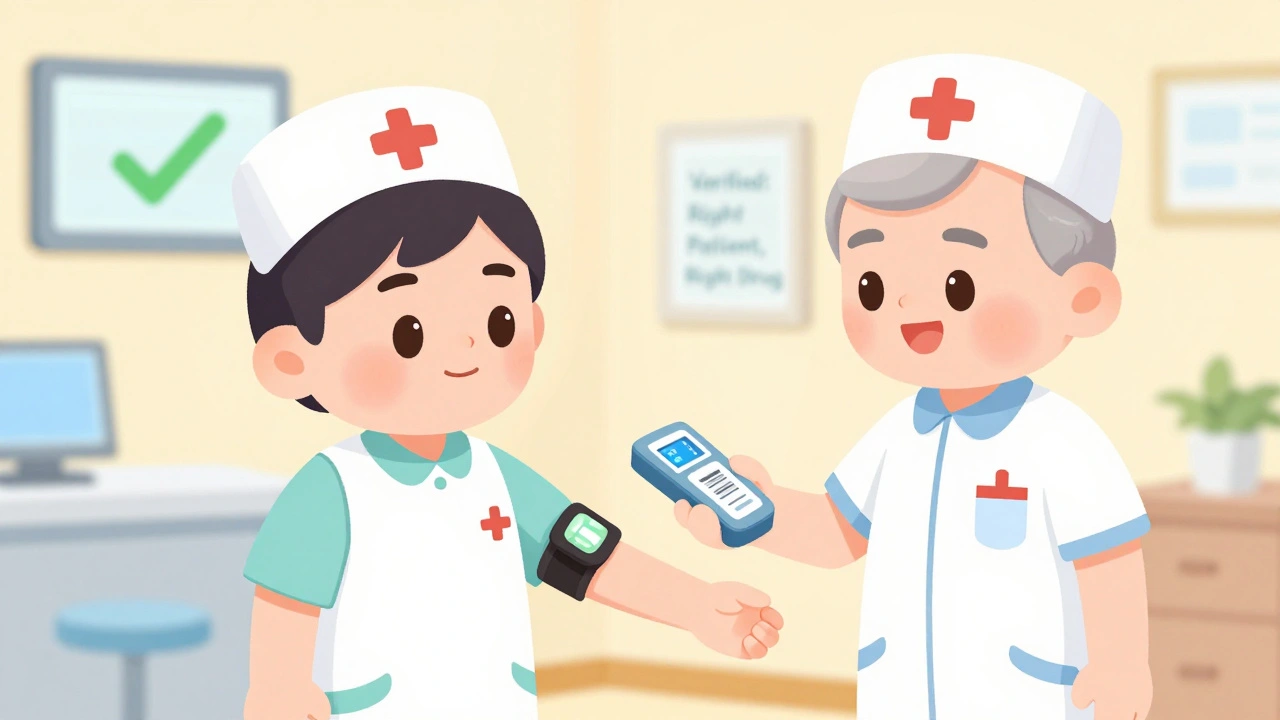
When you take a pill, you’re trusting that it will work the way it’s supposed to — but safe medication practices, a set of habits and checks that prevent harm when using drugs. Also known as medication safety, it’s not just about following the label — it’s about understanding how your body reacts, what else you’re taking, and when something doesn’t add up. Too many people assume that if a drug is approved or cheap, it’s automatically safe. That’s not true. Even generic drugs, which are just as effective as brand-name versions for most people, can cause problems if you don’t know how they interact with other meds, foods, or supplements.
Drug interactions, when two or more substances change how each other works in your body. Also known as medication conflicts, it’s one of the top causes of avoidable hospital visits. Take something like St. John’s wort — a common herbal supplement — and it can make your birth control fail or stop your antidepressant from working. Or mix statins with certain antibiotics, and you risk muscle damage. Even OTC pain creams can burn your skin if you use them wrong. And then there’s medication adherence, how consistently you take your drugs as prescribed. Also known as compliance, it’s not just about forgetting pills — it’s about swallowing difficulties, confusing dosing schedules, or being scared of side effects. If you don’t take your medicine right, even the best drug won’t help.
Here’s the thing: generic drugs aren’t risky because they’re cheap. They’re safe because the bioequivalence, the scientific proof that a generic drug works the same way as the brand version. Also known as generic drug testing, it’s what the FDA requires before a cheaper version hits the shelf. But when supply chains break down, or pharmacies mix up expiration dates, or someone buys pills online without knowing the source, that safety net disappears. You need to know how to read a bottle, check a beyond-use date, and ask your pharmacist when something feels off.
Safe medication practices aren’t about being paranoid. They’re about being informed. Whether you’re managing diabetes with GLP-1 agonists, dealing with glaucoma eye drops, or taking antibiotics for a skin infection, the rules are the same: know what you’re taking, why you’re taking it, and what could go wrong. The posts below cover real cases — from teens on psychiatric meds to seniors struggling to swallow pills — and show you exactly how to protect yourself. No fluff. Just what works.
Medication errors kill thousands every year in hospitals and clinics - but most are preventable. Learn how high-alert drugs, barcode systems, and patient involvement are reducing harm and saving lives.
Read more