Prior authorization for NTI drugs often delays life-saving medications despite clinical evidence showing generics can be dangerous. Learn why insurers require brand-name versions and what patients can do to get faster access.
Read more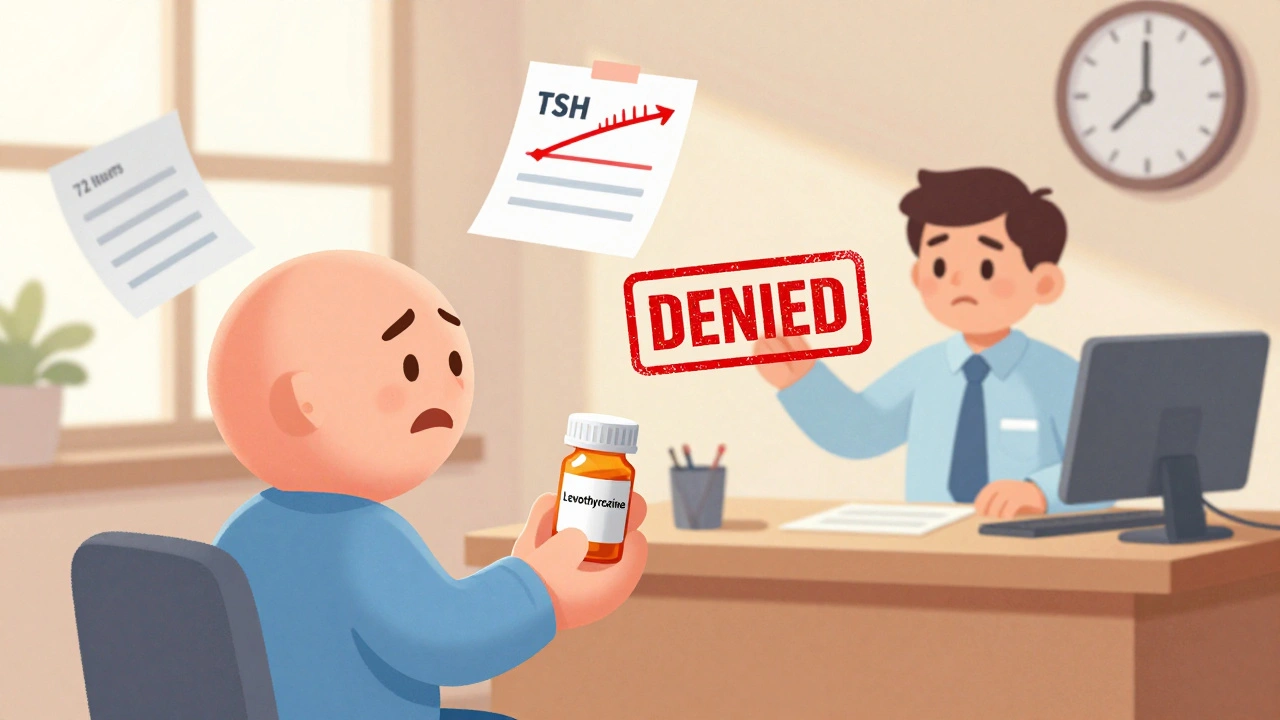
When your doctor prescribes a medicine but your pharmacy says prior authorization, a requirement by health insurers to approve certain medications before covering them. Also known as pre-approval, it’s a gatekeeping step that can delay treatment by days—or even weeks. It’s not a medical decision. It’s a financial one. Insurers use it to control costs, often forcing you to try cheaper drugs first—even if those won’t work for you.
This isn’t just paperwork. It’s a barrier that hits people with chronic conditions hardest: diabetes, MS, rheumatoid arthritis, depression. You’re not alone if you’ve sat on hold for an hour, only to be told your drug needs prior authorization and your doctor hasn’t submitted the form yet. Or worse—your form got denied because the insurer says a generic "is just as good," even though you’ve had side effects from every one they recommend. That’s where pharmacy prior auth steps in. Pharmacists now spend hours filling out forms, calling insurers, and arguing for coverage. They’re not just dispensing pills—they’re fighting insurance bots.
Why does this happen? Because brand-name drugs cost ten times more than generics, and insurers push the cheapest option—even when studies show the brand works better for your condition. The Hatch-Waxman Act made generics possible, but it didn’t stop insurers from using insurance drug approval rules to squeeze out even those. And when a drug shortage hits—like with sterile injectables or asthma inhalers—prior authorization becomes a death sentence for some. You’re stuck waiting while your condition worsens.
But you have power. Your doctor can appeal. Your pharmacist can help you file a fast-track request. Sometimes, just calling the insurer and asking for a peer-to-peer review—where your doctor talks directly to their medical director—gets approval in hours. And if you’re on Medicare or Medicaid, you have legal rights to expedited reviews if your health is at risk.
Below, you’ll find real stories and practical guides from people who’ve been through this. Learn how to spot when prior authorization is being misused, how to write an appeal that actually works, and which drugs are most likely to trigger it. You’ll also see how generic drug shortages, medication errors, and even herbal supplements can tie into this broken system. This isn’t about bureaucracy. It’s about getting the medicine you need—without losing your health in the process.
Prior authorization for NTI drugs often delays life-saving medications despite clinical evidence showing generics can be dangerous. Learn why insurers require brand-name versions and what patients can do to get faster access.
Read more