GLP-1 receptor agonists like Ozempic and Wegovy lower A1c by up to 1.8% and help people lose 15% or more of body weight. Learn how they work, how they compare to other drugs, and what to expect with side effects and long-term use.
Read more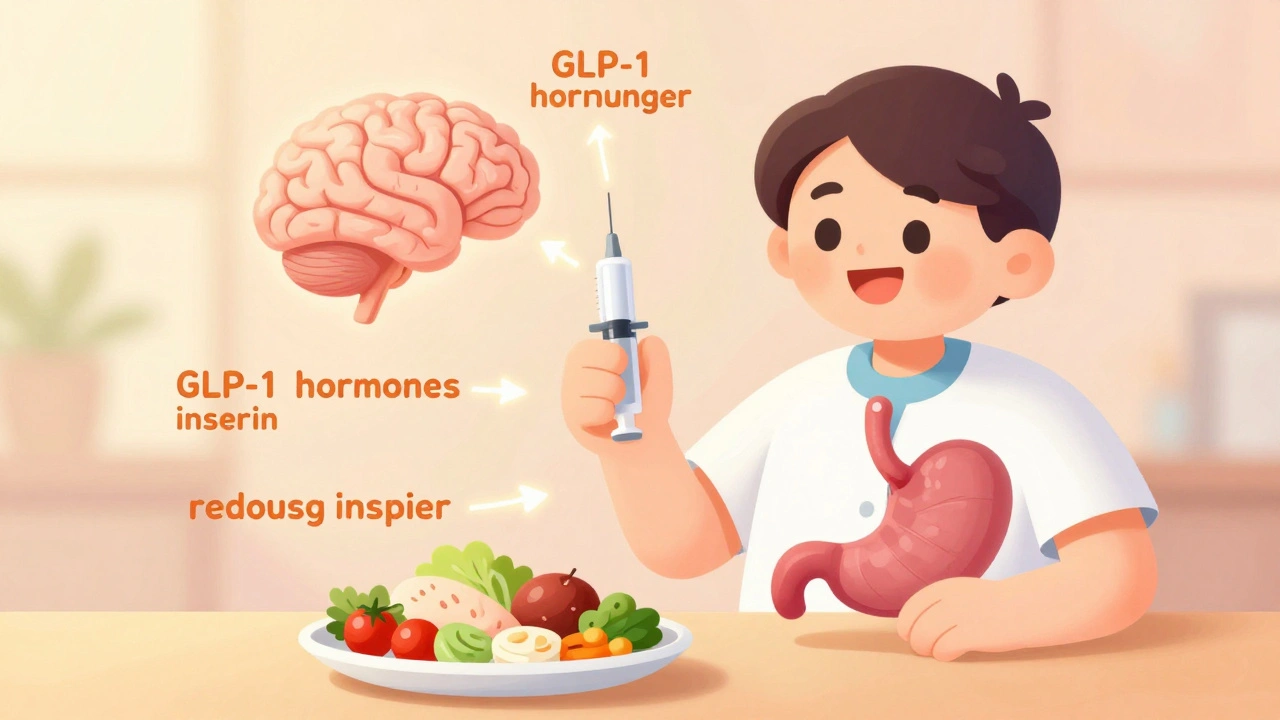
When you hear Ozempic, a prescription medication used to treat type 2 diabetes and promote weight loss. Also known as semaglutide, it's one of the most talked-about drugs in recent years—not just because it helps control blood sugar, but because many people lose significant weight while using it. Ozempic doesn’t work like old-school diabetes pills. Instead, it mimics a natural hormone in your body called GLP-1, which tells your pancreas to release insulin when blood sugar rises. It also slows down digestion and reduces appetite, which is why so many users see results on the scale.
But Ozempic isn’t just about weight loss. It’s a tool for people with type 2 diabetes, a condition where the body doesn’t use insulin properly who need better control over their glucose levels. Studies show it lowers A1C levels more effectively than some older medications—and it may even reduce the risk of heart attacks and strokes in high-risk patients. Still, it’s not a magic pill. It requires a prescription, regular doctor visits, and it comes with side effects like nausea, vomiting, or diarrhea, especially when starting out. Some people can’t tolerate it at all.
People often wonder if Ozempic is the same as Wegovy. They’re close—both contain semaglutide—but Wegovy is approved specifically for weight loss and comes in higher doses. Ozempic is FDA-approved for diabetes, though doctors sometimes prescribe it off-label for weight management. And while it’s effective, it’s not the only option. Alternatives like GLP-1 agonist, a class of drugs that work similarly to Ozempic by targeting the GLP-1 receptor include liraglutide, dulaglutide, and tirzepatide, which may work better for some depending on their health profile, cost, or insurance coverage.
What you won’t find in ads is how hard it is to get Ozempic right now. Supply shortages, high demand, and insurance hurdles mean many people struggle to fill their prescriptions. That’s why so many turn to online pharmacies or generic alternatives—some safe, some risky. The posts below cover real issues people face: how to tell if your medication is legitimate, what to do if you can’t afford it, how side effects compare across similar drugs, and whether switching to a different GLP-1 agonist makes sense for your body. You’ll also find advice on managing nausea, understanding long-term use, and spotting red flags when buying online. This isn’t a marketing page. It’s a practical guide for people who need answers, not slogans.
GLP-1 receptor agonists like Ozempic and Wegovy lower A1c by up to 1.8% and help people lose 15% or more of body weight. Learn how they work, how they compare to other drugs, and what to expect with side effects and long-term use.
Read more