Medication errors kill thousands every year in hospitals and clinics - but most are preventable. Learn how high-alert drugs, barcode systems, and patient involvement are reducing harm and saving lives.
Read more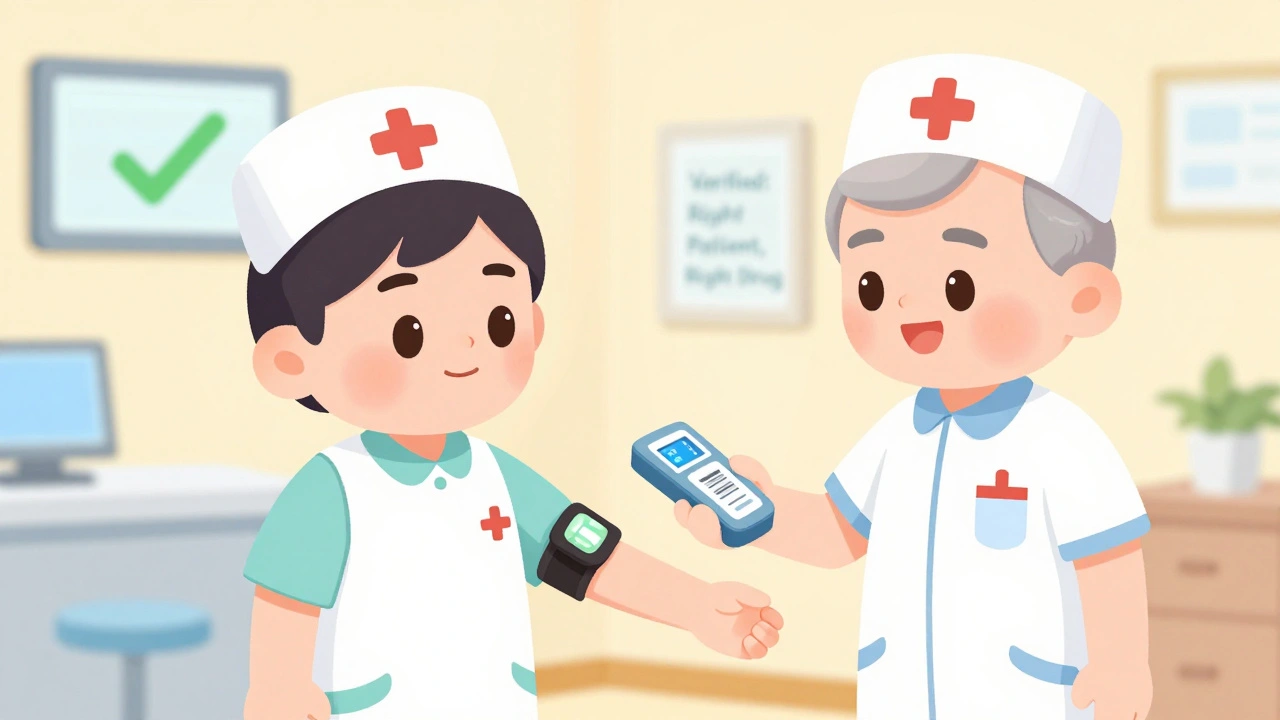
When you’re taking multiple drugs—maybe for diabetes, high blood pressure, and depression—medication reconciliation, the process of comparing a patient’s current medication list with new prescriptions to avoid errors. It’s not just paperwork; it’s a safety net that stops deadly mix-ups before they happen. Think of it like double-checking your bank statement: if you see a charge you didn’t make, you call the bank. With meds, the stakes are higher. A wrong dose, a forgotten allergy, or a dangerous combo can land you in the ER—or worse.
Drug interactions, when two or more medicines react in harmful ways are one of the biggest risks. One study found that over 70% of medication errors in hospitals happened during transitions of care—like when you leave the hospital or switch doctors. That’s where pharmacy safety, the system of checks and balances that ensures you get the right drugs at the right doses steps in. Pharmacists don’t just fill prescriptions; they review everything you’re taking, from your blood pressure pill to that herbal supplement you think is harmless. St. John’s wort can wreck your birth control. Grapefruit can turn a statin into a heart risk. These aren’t myths—they’re documented dangers.
Medication reconciliation isn’t just for hospitals. It matters every time you see a new provider, fill a new script, or get discharged. You don’t need to be an expert—you just need to know your own meds. Keep a list: names, doses, why you take them. Bring it to every appointment. Ask: "Is this new drug safe with everything else I’m on?" The system works best when you’re part of it. Medication errors, mistakes in prescribing, dispensing, or taking drugs are often preventable, but only if someone speaks up. And that someone should be you.
What you’ll find below are real stories and hard facts about how meds interact, why some drugs are riskier than others, and how to protect yourself when the system is stretched thin. From statin side effects to generic drug safety, from swallowing pills to avoiding dangerous combos—these posts give you the tools to ask the right questions and stay in control. This isn’t theory. It’s what keeps people alive.
Medication errors kill thousands every year in hospitals and clinics - but most are preventable. Learn how high-alert drugs, barcode systems, and patient involvement are reducing harm and saving lives.
Read more