Prior authorization for NTI drugs often delays life-saving medications despite clinical evidence showing generics can be dangerous. Learn why insurers require brand-name versions and what patients can do to get faster access.
Read more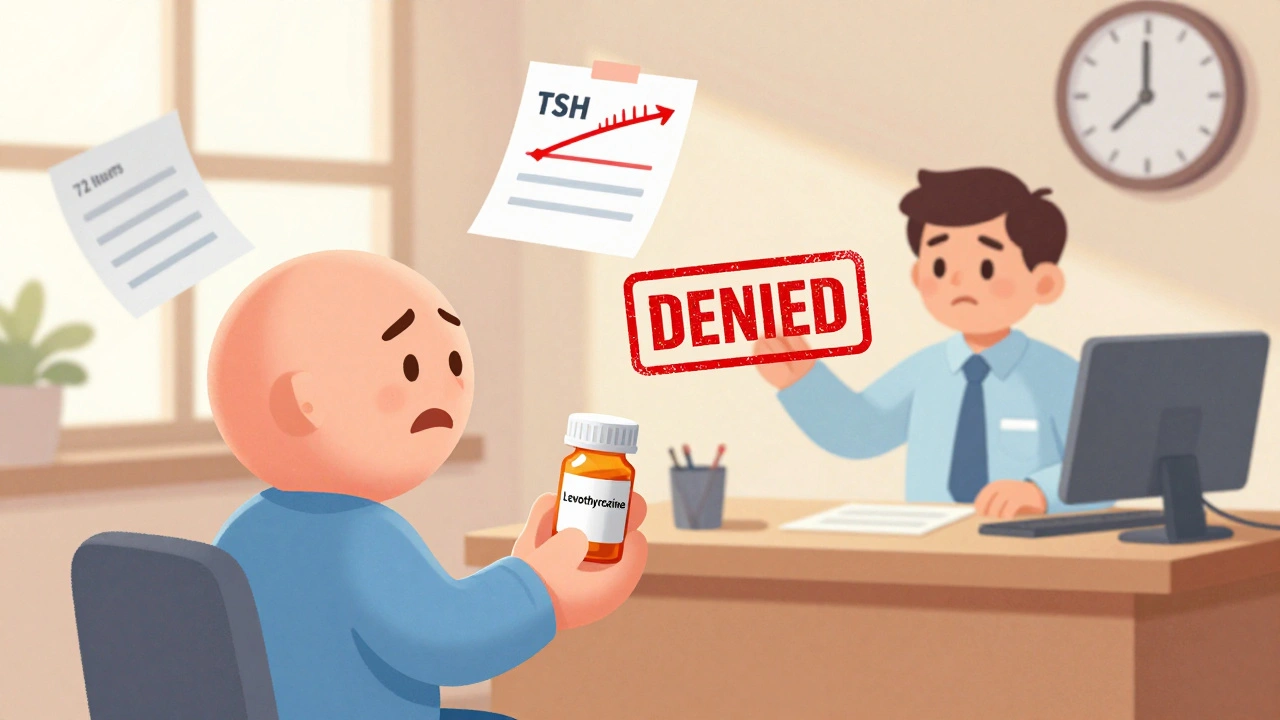
When it comes to insurance coverage, the system that determines which medications your plan will pay for and how much you pay out of pocket. Also known as pharmacy benefits, it's not just about having health insurance—it's about understanding what’s actually covered under your plan. Many people assume their insurance means they can walk into any pharmacy and get their meds for cheap. But that’s not always true. Even with coverage, you might be stuck paying full price for a drug your plan doesn’t list, or you might need prior authorization just to get a basic generic.
Generic medications, lower-cost versions of brand-name drugs approved by the FDA as equally safe and effective. Also known as brand equivalents, they’re the backbone of affordable care. But here’s the catch: insurance plans often push you toward generics—sometimes forcing you to try them first before covering the brand. That’s called step therapy. And while most generics work just fine, some drugs have narrow therapeutic windows, where even tiny differences in absorption can matter. That’s why clinical studies on bioequivalence and FDA requirements for generic approval matter. If your plan denies coverage for a generic because it’s "not preferred," you’re not alone. Many people face this, especially with high-demand drugs like GLP-1 agonists or psychiatric meds.
Prescription drug costs, what you pay at the pharmacy counter after insurance applies its rules. Also known as out-of-pocket expenses, these are shaped by deductibles, copays, coinsurance, and formulary tiers. A drug on Tier 1 might cost $5. Tier 4? Could be $200. And if your drug isn’t on the formulary at all? You’re paying full price—unless you appeal. Insurance companies use formularies to control costs, not always to match your needs. That’s why knowing your plan’s drug list (called a formulary) is as important as knowing your deductible. You can’t fight what you don’t see. And if your medication gets pulled from coverage mid-year? That’s not rare. Supply chain issues, pricing changes, or new contracts between insurers and pharmacies can change what’s covered overnight.
And then there’s medication access, how easily you can actually get the drugs you need, when you need them. Also known as drug availability, it’s affected by everything from pharmacy networks to manufacturer shortages. You might have coverage on paper, but if your local pharmacy doesn’t stock the generic version of your drug—or if it’s on backorder because of API supply chain problems—you’re stuck. Some people resort to mail-order pharmacies. Others look into patient assistance programs. A few even turn to international sources, though that comes with risks. Insurance coverage doesn’t guarantee access. It just gives you a shot at it.
What you’ll find below are real stories and facts about how insurance coverage shapes your medication experience—from the Hatch-Waxman Amendments that made generics possible, to how pharmacists help you navigate coverage denials, to why some drugs disappear from shelves even when your plan says they’re covered. These aren’t theoretical debates. They’re daily realities for millions. You’re not just reading about policy. You’re learning how to protect yourself.
Prior authorization for NTI drugs often delays life-saving medications despite clinical evidence showing generics can be dangerous. Learn why insurers require brand-name versions and what patients can do to get faster access.
Read more