Medication errors kill thousands every year in hospitals and clinics - but most are preventable. Learn how high-alert drugs, barcode systems, and patient involvement are reducing harm and saving lives.
Read more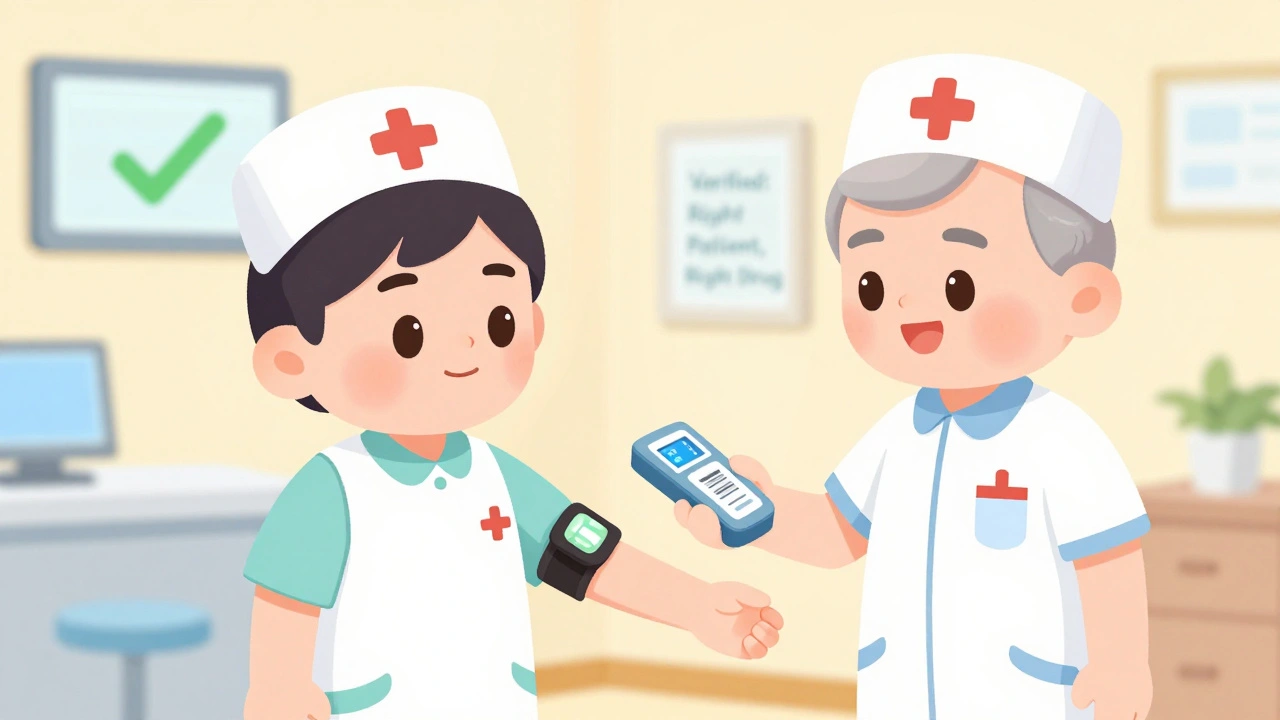
When you’re in the hospital, you trust that the medicine you’re given is the right one, at the right dose, at the right time. But hospital medication errors, mistakes in prescribing, dispensing, or administering drugs in healthcare settings. Also known as drug administration errors, they’re one of the leading causes of preventable harm in U.S. hospitals. These aren’t just rare blips—they happen far more often than most people realize, and many go unreported because they don’t cause obvious harm right away.
Most errors happen because of broken communication. A doctor writes a prescription by hand, a nurse misreads it, the pharmacy dispenses the wrong generic version, and the patient doesn’t speak up because they’re scared or confused. generic drug efficacy, how well generic medications perform compared to brand-name versions. Also known as bioequivalence, it’s a key factor when patients switch meds mid-hospital stay. Studies show that for most drugs, generics work just as well—but for narrow therapeutic index drugs like warfarin or lithium, even tiny differences in absorption can cause serious side effects. That’s why clear labeling, pharmacist counseling, and patient education matter more than ever. pharmacy counseling, the process where pharmacists explain how to take medication safely and what to watch for. Also known as medication therapy management, it’s often skipped in busy hospitals, leaving patients in the dark. And when patients don’t understand why they’re getting a different pill, they might stop taking it—or take too much.
It’s not just about the drugs themselves. medication adherence, how well patients follow their prescribed treatment plan. Also known as compliance, it’s a silent crisis in hospitals. People forget doses. They don’t know how to swallow pills. They’re scared of side effects. They’re overwhelmed by the number of meds they’re given. One study found that nearly half of hospitalized patients didn’t know what half their medications were for. That’s not just a problem—it’s a recipe for disaster. And when you add in tired staff, shift changes, and electronic system glitches, the chances of something going wrong climb fast.
You can’t control everything in a hospital. But you can control how much you ask. Always ask: What is this for? Why are we switching from my usual pill? What side effects should I watch for? Don’t be afraid to say, "I don’t understand." Bring a list of all your meds—even the supplements—to every appointment. If you’re given a new pill, check the color, shape, and name. If it looks different, ask why. Hospitals aren’t perfect. But informed patients are the best defense against mistakes.
Below, you’ll find real stories and expert insights from people who’ve been through this—whether it’s a pharmacist explaining why generics aren’t always interchangeable, a patient who nearly overdosed because of a labeling mix-up, or a study showing how simple checklist systems cut errors in half. This isn’t theoretical. These are the mistakes that happen. And the fixes that actually work.
Medication errors kill thousands every year in hospitals and clinics - but most are preventable. Learn how high-alert drugs, barcode systems, and patient involvement are reducing harm and saving lives.
Read more