GLP-1 receptor agonists like Ozempic and Wegovy lower A1c by up to 1.8% and help people lose 15% or more of body weight. Learn how they work, how they compare to other drugs, and what to expect with side effects and long-term use.
Read more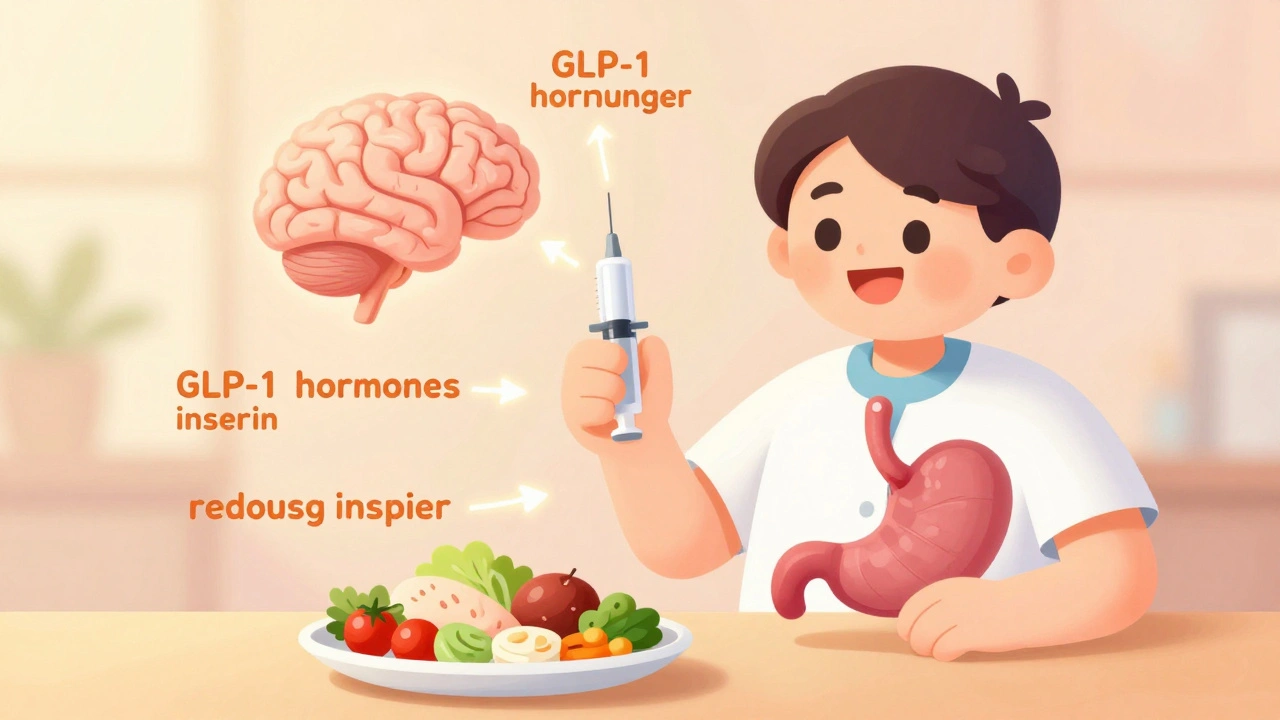
When you hear GLP-1 agonists, a class of drugs that mimic a natural hormone to control blood sugar and reduce appetite. Also known as incretin mimetics, they’re no longer just for people with type 2 diabetes—they’re now a go-to option for weight management too. These drugs work by activating receptors in your pancreas, brain, and stomach to slow digestion, lower blood sugar, and make you feel full faster. Unlike insulin, they don’t cause low blood sugar on their own, and unlike older weight loss pills, they don’t just suppress appetite—they change how your body responds to food.
Two of the most common semaglutide, a long-acting GLP-1 agonist used for both diabetes and weight loss under brand names like Ozempic and Wegovy and liraglutide, an earlier version that helped pave the way for today’s treatments and is sold as Victoza or Saxenda have turned heads in clinics and pharmacies alike. They’re not magic, but they’re backed by solid science: clinical trials show people lose 10–20% of their body weight on average, and many see their A1C drop below 7% without adding insulin. These drugs also reduce the risk of heart attacks and strokes in people with existing heart disease, which is why doctors now recommend them for more patients than ever before.
But they’re not for everyone. Side effects like nausea, vomiting, or diarrhea are common at first, and some people can’t tolerate them. There are also concerns about rare risks like pancreatitis or gallbladder problems, and the long-term effects of using them for weight loss over many years are still being studied. If you’re considering one, you’ll need to work with your provider to check your thyroid health, kidney function, and whether you’re on any other medications that might interact—like statins or blood pressure drugs.
What you’ll find below are real, practical guides on how these drugs fit into daily life: how they compare to alternatives, what to expect when you start, how to manage side effects, and why some people see dramatic results while others don’t. You’ll also see how they connect to broader issues like drug shortages, generic availability, and the science behind bioequivalence. This isn’t marketing. It’s what people are actually experiencing—and what the data says about staying safe while using them.
GLP-1 receptor agonists like Ozempic and Wegovy lower A1c by up to 1.8% and help people lose 15% or more of body weight. Learn how they work, how they compare to other drugs, and what to expect with side effects and long-term use.
Read more