Fed State Testing: What It Means for Your Medications and Health
When you take a generic drug, you expect it to work just like the brand-name version. That’s where fed state testing, the process by which U.S. regulatory agencies verify that generic drugs meet strict performance standards. Also known as bioequivalence testing, it’s the backbone of affordable medicine in America. Without it, you could be paying less but getting less—no matter what the label says.
Fed state testing isn’t just paperwork. It’s lab work. It’s blood samples. It’s tracking how fast and how much of a drug enters your bloodstream compared to the original. The FDA requires generics to hit the 80/125 rule: their absorption rate must fall between 80% and 125% of the brand drug’s. For most conditions, that’s perfectly safe. But for drugs like warfarin, lithium, or thyroid meds—where tiny differences matter—this testing becomes life-or-death. That’s why some generics pass, and others get rejected before they ever reach your pharmacy.
It’s not just about the drug itself. Fed state testing also checks how the pill breaks down, how it’s made, and even the ingredients used in the coating. A generic made in a factory with poor quality control might look identical, but if it doesn’t dissolve the same way, your body won’t absorb it right. That’s why shortages happen—not always because of supply chains, but because a batch failed testing. And when that happens, you might be stuck waiting for a replacement that actually works.
What you’re really getting with fed state testing is trust. You don’t need to be a scientist to understand that your blood pressure pill, your antidepressant, or your antibiotic should do what it promises. These tests make sure it does. They’re why you can buy a generic version of Paxil or Albenza for a fraction of the cost—and still feel confident it’s not a gamble. But trust doesn’t mean blind faith. It means knowing the system is watching. And if you’ve ever wondered why your doctor switched your meds or why your refill feels different, it’s often because a new batch passed testing, or an old one didn’t.
Beneath fed state testing are related systems: bioequivalence studies, ANDA approvals, and FDA product-specific guidances. These aren’t just buzzwords—they’re the real checks that keep dangerous or ineffective drugs off shelves. And when you see posts about generic drug efficacy, statin interactions, or why some medications cause unexpected side effects, they all tie back to this one process. It’s the quiet engine behind every affordable pill you take.
Below, you’ll find real stories and data-driven breakdowns about what happens when these tests work—and when they don’t. From how steroid eye drops are monitored to why some people can’t swallow pills safely, every article here connects to the same goal: making sure your meds are not just cheap, but truly safe and effective. You’re not just reading about drugs. You’re learning how to protect yourself from the hidden risks in the system.
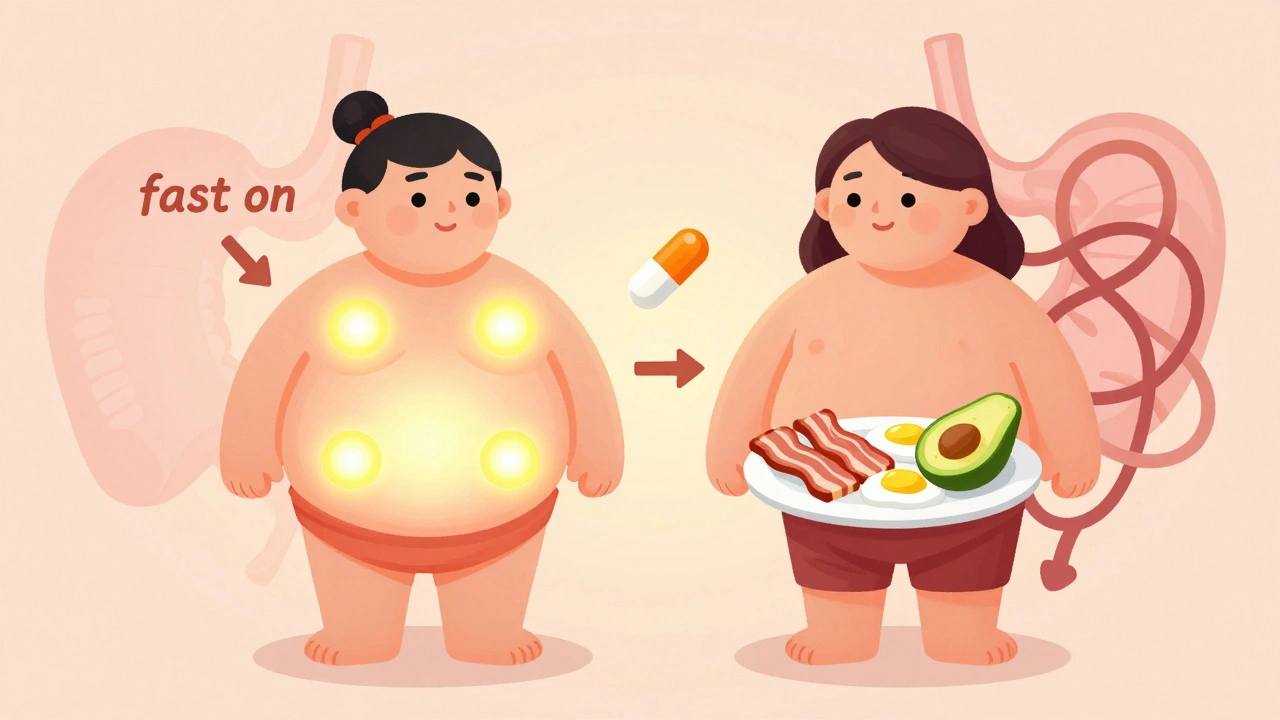
Fasted and fed state testing reveal how food affects drug absorption and exercise performance. Understanding both conditions is critical for safe medication use and effective training. Neither state is universally better-context determines the right choice.
Read more