Exercise Physiology: How Your Body Responds to Movement and Why It Matters for Medication Use
When you move—whether it’s walking, lifting, or just standing up—you’re not just burning calories. You’re triggering a cascade of biological changes that affect everything from your heart rate to how your body absorbs medicine. Exercise physiology, the science of how your body responds to physical activity. Also known as physical activity physiology, it’s the hidden link between what you do and how well your drugs work. This isn’t just about getting fit. It’s about understanding why someone on blood pressure meds might feel dizzy after a walk, or why a person with diabetes sees better blood sugar control after consistent movement.
People managing conditions like multiple sclerosis, heart disease, or type 2 diabetes often hear "exercise is good for you"—but few get the real details. Drug metabolism, how your body breaks down and uses medication changes with movement. Blood flow increases, liver enzymes shift, and muscle tissue becomes more sensitive to insulin. That’s why someone on statins might notice less muscle pain after starting light cardio, or why GLP-1 agonists like Ozempic work better when paired with regular activity. Chronic disease management, the long-term strategy for living with ongoing health conditions isn’t just pills and doctor visits. It’s sleep, stress, and yes—how much you move each day. Even small changes, like walking 20 minutes a day, can reduce inflammation, lower blood pressure, and improve how your body responds to meds.
And here’s the part no one talks about: if you’re struggling to swallow pills, or your meds cause fatigue, or you’re skipping doses because you feel too weak, exercise physiology can help. Movement doesn’t just treat disease—it rebuilds your ability to manage it. People with dysphagia can learn safer swallowing techniques through guided motion. Those on steroid eye drops or topical pain creams benefit from improved circulation that helps drugs absorb better. Even mental health meds work differently when your body is active, because movement changes brain chemistry in ways no pill can fully replicate.
What you’ll find below isn’t a list of workout tips. It’s a collection of real stories and science about how movement, medicine, and the body’s internal systems connect. From how statin side effects shift with activity levels, to why people with MS sometimes feel worse after a hot shower (Uhthoff’s phenomenon), to how weight loss drugs interact with daily movement—each post cuts through the noise. You’ll see how exercise isn’t just advice. It’s a tool, a modifier, and sometimes, the missing piece in your treatment plan.
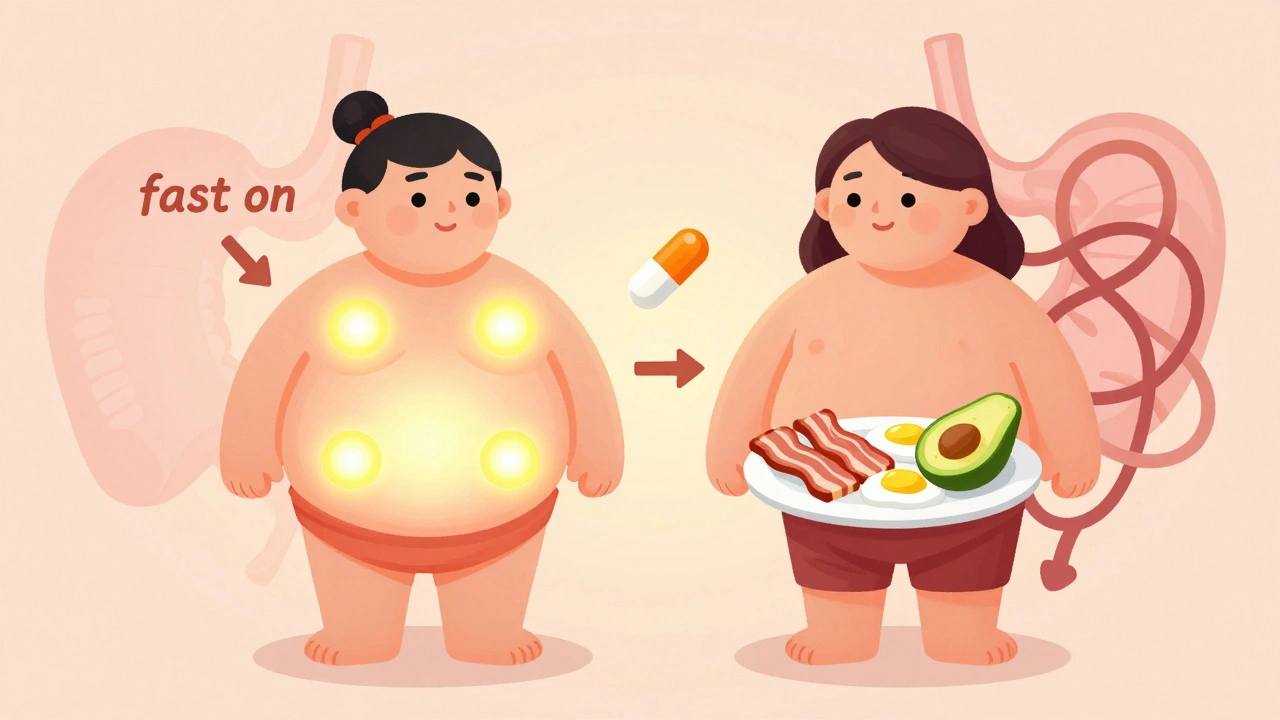
Fasted and fed state testing reveal how food affects drug absorption and exercise performance. Understanding both conditions is critical for safe medication use and effective training. Neither state is universally better-context determines the right choice.
Read more