Generic drugs work for most people, but some report new side effects after switching. Is it the medicine-or your mind? Here’s what the science says about safety, inactive ingredients, and why you might feel worse.
Read more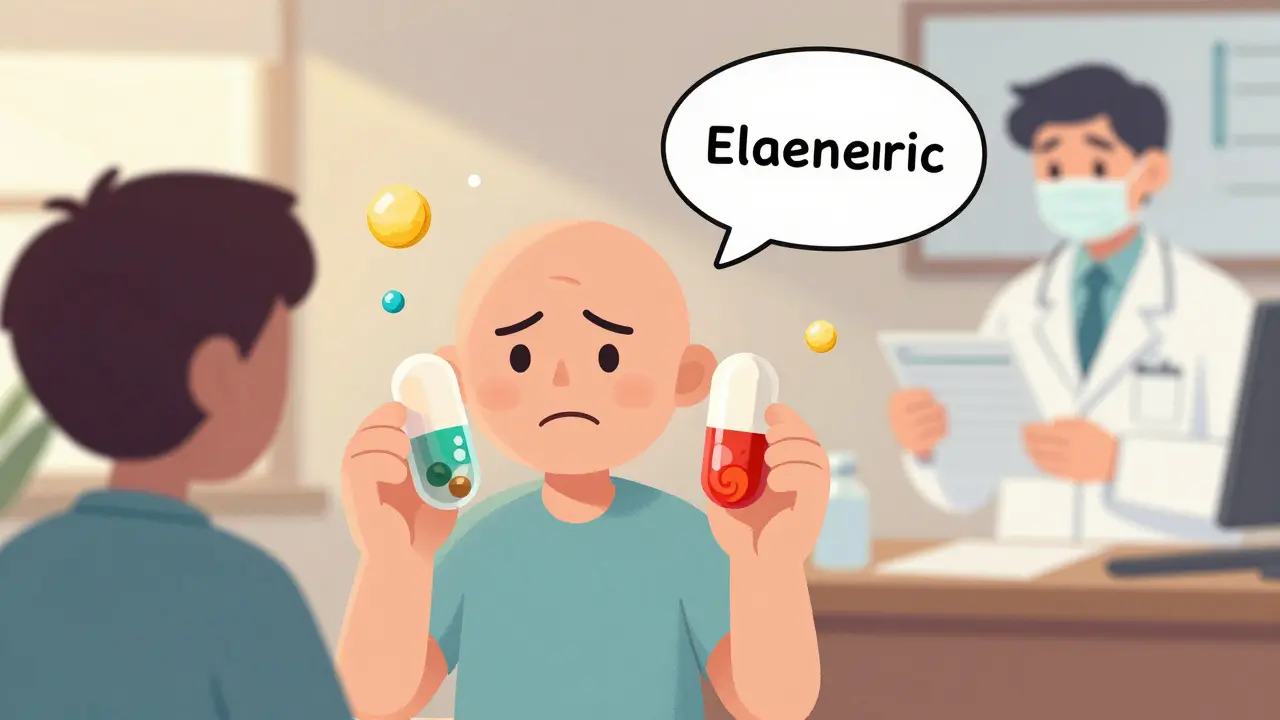
When you pick up a generic pill, you’re counting on it to do the same job as the brand-name version—that’s where bioequivalence, the scientific proof that a generic drug absorbs into your body at the same rate and to the same extent as the original. Also known as therapeutic equivalence, it’s the invisible guarantee that your $5 pill isn’t a cheap knockoff—it’s a real replacement. Without this standard, generics could be ineffective, or worse, dangerous. The FDA doesn’t just take manufacturers’ word for it. They require hard data from bioequivalence studies, controlled clinical tests that measure how quickly and completely the drug enters your bloodstream. These aren’t theoretical. They’re done with real people, using blood samples taken over hours to map out absorption curves. If the generic’s curve falls within 80% to 125% of the brand’s, it passes. That’s the rule. And it’s not just for pills—patches, inhalers, and even some liquids must meet the same standard.
But bioequivalence isn’t just about math. It’s about real-life outcomes. For most drugs—antibiotics, blood pressure meds, antidepressants—it works perfectly. You won’t notice a difference. But for drugs with a narrow therapeutic window, where the difference between a helpful dose and a toxic one is tiny, like warfarin or lithium, even small variations matter. That’s why some doctors still prefer brand names for these. Still, the data doesn’t lie: a 2020 review of over 1,000 studies found generic versions performed just as well in real-world use for nearly all conditions. The real issue isn’t the science—it’s the supply chain. When factories shut down overseas or raw materials get delayed, even approved generics disappear from shelves. That’s not bioequivalence failing—it’s logistics breaking down.
What you’ll find in the posts below isn’t just theory. It’s the practical side of how bioequivalence shapes your access to affordable medicine. You’ll read how the FDA enforces these rules, why some generics get pulled, how patent laws affect availability, and what happens when a drug you rely on suddenly vanishes. You’ll also see how bioequivalence ties into bigger issues—like why some people avoid generics out of fear, or how manufacturers cut corners without getting caught. This isn’t about chemistry class. It’s about making sure your next prescription doesn’t cost more than it should—and still works like it’s supposed to.
Generic drugs work for most people, but some report new side effects after switching. Is it the medicine-or your mind? Here’s what the science says about safety, inactive ingredients, and why you might feel worse.
Read more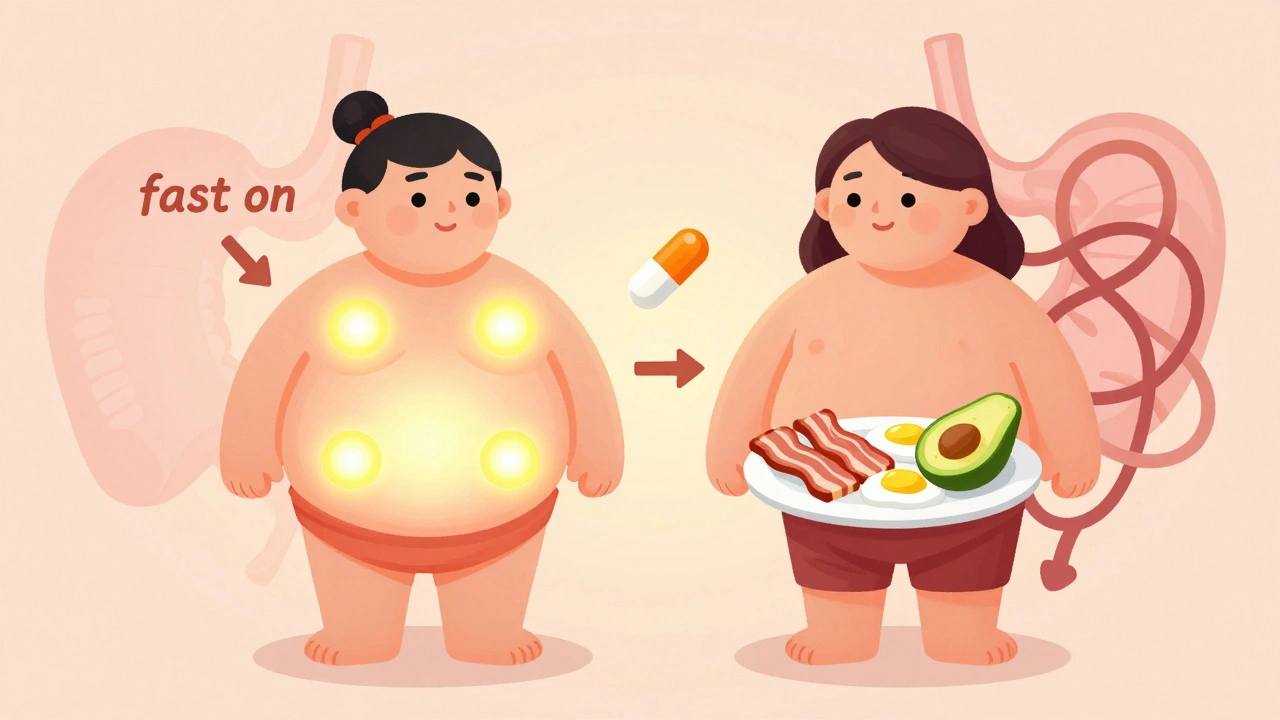
Fasted and fed state testing reveal how food affects drug absorption and exercise performance. Understanding both conditions is critical for safe medication use and effective training. Neither state is universally better-context determines the right choice.
Read more