GLP-1 receptor agonists like Ozempic and Wegovy lower A1c by up to 1.8% and help people lose 15% or more of body weight. Learn how they work, how they compare to other drugs, and what to expect with side effects and long-term use.
Read more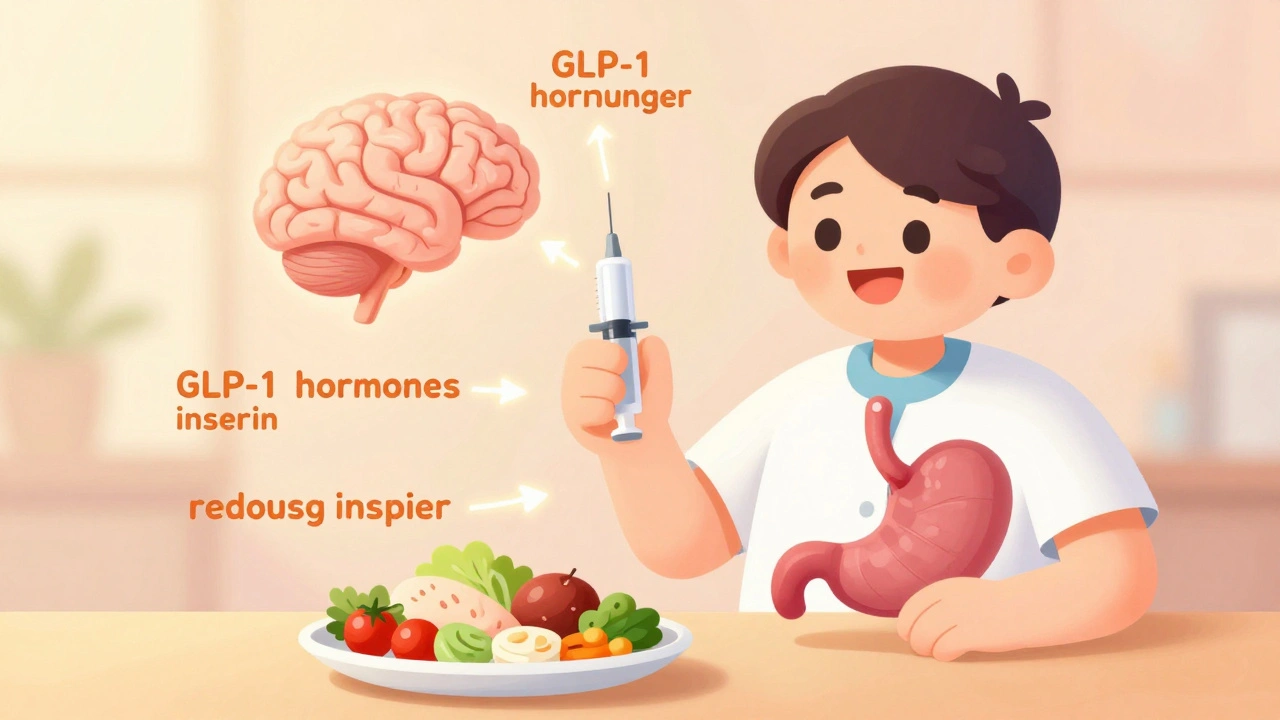
When your A1C, a measure of your average blood sugar over the past 2 to 3 months. Also known as HbA1c, it tells you how well your diabetes is managed — and whether you’re at risk for nerve damage, kidney problems, or heart disease. A1C reduction isn’t about quick fixes. It’s about consistent habits, smart medication choices, and knowing what actually moves the needle. Many people think it’s just about cutting sugar, but the real story is deeper. Your A1C reflects what happens in your body every single day — not just at mealtime.
Medications play a big role. Generic versions of metformin, sulfonylureas, and SGLT2 inhibitors like canagliflozin are just as effective as brand names, according to FDA bioequivalence studies. You don’t need to pay more for the same results. But drugs alone won’t fix everything. A1C reduction also depends on how your body responds to food, movement, and sleep. Eating the same carbs every day? That’s not sustainable. Skipping exercise because you’re tired? That’s common — but it adds up. Even small changes, like walking 20 minutes after dinner, can lower your A1C by 0.5% over time. And yes, that’s measurable. That’s real.
Some supplements and herbs — like cinnamon, berberine, or bitter melon — get talked about a lot. But they’re not magic. A few small studies show modest effects, but they don’t replace proven treatments. And if you’re on other meds, some of these can interact dangerously. St. John’s wort, for example, can mess with blood sugar control just like it messes with birth control. You need to know what’s safe. That’s why checking in with your doctor isn’t just a formality — it’s part of your plan.
And then there’s the emotional side. Stress raises cortisol, which raises blood sugar. Chronic pain, like in fibromyalgia or arthritis, can make sticking to a routine harder. That’s why pain catastrophizing isn’t just a mental thing — it’s a physical barrier to A1C reduction. If you’re overwhelmed, it’s not weakness. It’s biology. That’s where tools like cognitive behavioral therapy come in. They help you break the cycle of guilt and avoidance that keeps A1C high.
What you’ll find below are real, practical posts that cut through the noise. You’ll see how generic diabetes drugs stack up against brands, how fasting affects test results, what to do when swallowing pills is hard, and why some meds work better for some people than others. There’s no fluff. No hype. Just what works — based on clinical data, patient experience, and science you can trust. Whether you’re just starting out or you’ve been managing diabetes for years, these posts give you the clear, no-nonsense info you need to take control — without spending more than you have to.
GLP-1 receptor agonists like Ozempic and Wegovy lower A1c by up to 1.8% and help people lose 15% or more of body weight. Learn how they work, how they compare to other drugs, and what to expect with side effects and long-term use.
Read more