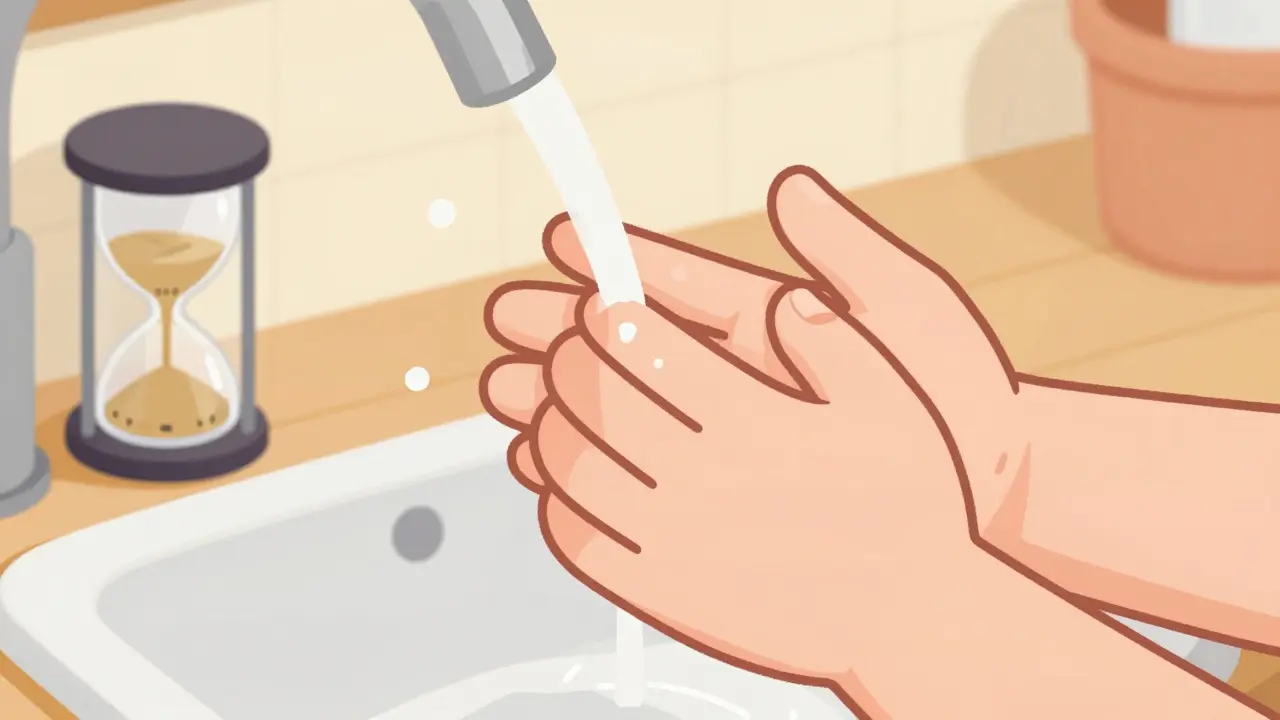
Hand hygieneis the systematic cleansing of hands using soap and water or alcohol-based hand sanitizers to eliminate pathogenic microorganisms and prevent disease transmission in domestic environments. The scientific foundation for modern hand hygiene was established in 1847 when Ignaz Semmelweis, a Hungarian physician at the Vienna General Hospital, demonstrated that chlorine handwashing reduced maternal mortality from puerperal fever from 18% to 1% within months.
Proper hand hygiene is the most cost-effective infection prevention measure available to households. CDCreports that proper hand hygiene can reduce respiratory illnesses by 16-21% and gastrointestinal illnesses by 31% in home settings, representing the single most cost-effective infection prevention measure available to households with implementation costs averaging $1.27 per person annually. Despite this, many households overlook handwashing as a critical defense against common illnesses like the flu, norovirus, and even respiratory infections like SARS-CoV-2. For example, the CDC's January 2021 MMWR report documented a 10.1% household secondary attack rate for SARS-CoV-2, which can be significantly reduced with proper hand hygiene.
Why Hand Hygiene Matters at Home
Germs don't discriminate. They spread through everyday activities: shaking hands, touching doorknobs, handling groceries, or even playing with pets. The norovirushas a 16-28% secondary attack rate in households and is notorious for causing vomiting and diarrhea. It survives on surfaces for weeks and requires soap and water to remove effectively. Similarly, influenzaspreads through respiratory droplets, with a 3.2% household secondary attack rate. Proper handwashing breaks this chain of transmission.
Many people think hand sanitizer replaces soap and water, but that's not true. C. difficilespores can't be killed by alcohol-based sanitizers. They require soap and water to physically wash away. This is why hand hygiene isn't one-size-fits-all. The CDC emphasizes that handwashing with soap and water is essential when hands are visibly dirty or after using the bathroom.
The Correct Handwashing Technique
WHO guidelinesspecify a six-step technique that reduces bacterial counts by 90% compared to simpler methods. This is critical for home use where improper technique is common.
Here's exactly how to do it:
- Wet hands with clean running water (100-108°F or 38-42°C).
- Apply soap (3-5 mL, about a nickel to quarter-sized amount).
- Rub palms together.
- Interlace fingers and rub back and forth.
- Cover the back of each hand with the opposite palm.
- Rub fingertips on the opposite palm.
- Rotate thumbs in opposite palms.
- Rub fingertips in circles on the opposite palm.
This takes 20-30 seconds total. A 2018 study in the American Journal of Infection Control confirmed this duration reduces microbial counts by up to 99.9%. Most people skip steps-especially cleaning between fingers (missed in 43% of attempts) and fingertips (68% missed). Use a timer or sing "Happy Birthday" twice to stay on track.
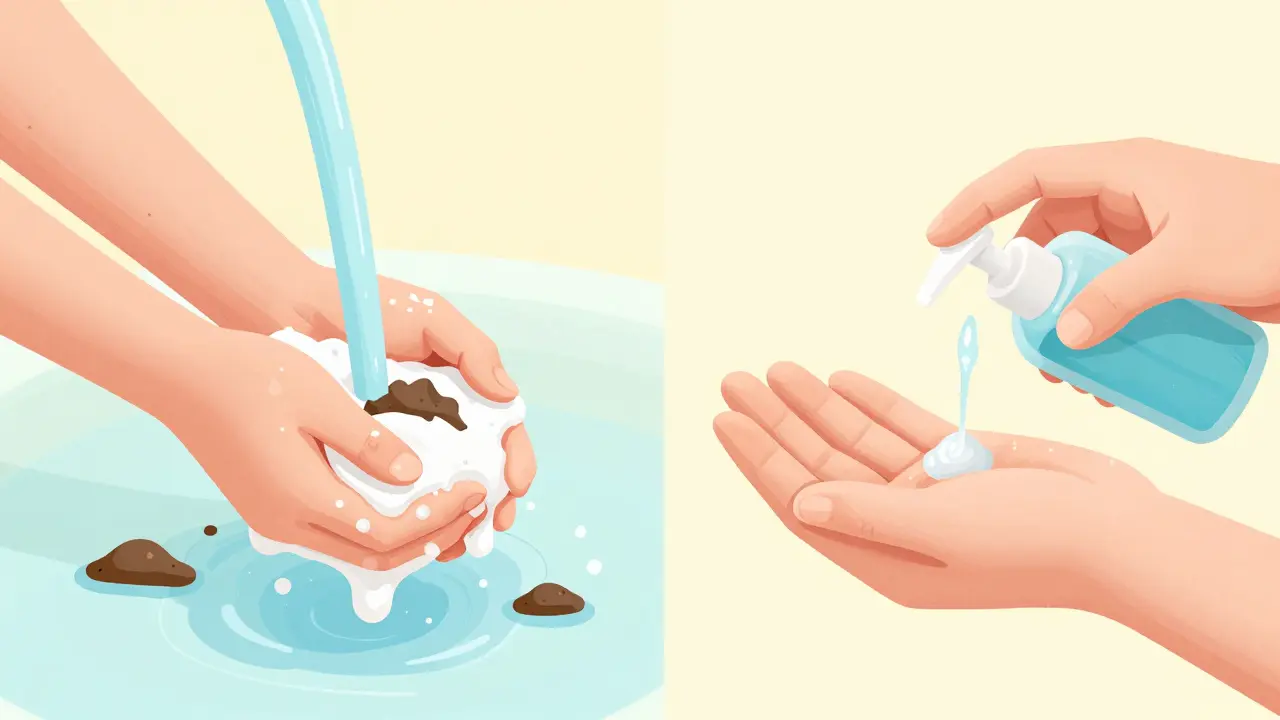
Soap vs. Hand Sanitizer: When to Use Each
soap and wateris superior for visible dirt, C. difficile spores, and norovirus. It physically removes pathogens from skin.
alcohol-based hand sanitizersmust contain 60-95% ethanol or isopropanol (60-80% is optimal). They work best for enveloped viruses like influenza (99.99% reduction in 15 seconds per ASTM E1174 testing) and are 2.3 times faster to use than soap and water. Apply 2.4-3 mL (a quarter-sized amount) to dry hands and rub until dry.
But never use sanitizer when hands are visibly dirty-it drops effectiveness to just 12%. Also, avoid antibacterial soaps containing triclosan. The FDA banned it in 2016 because it offers no extra benefit over plain soap and may contribute to antimicrobial resistance. A 2019 Environmental Science & Technology study found 2.7 times higher triclosan resistance in bacteria from households using antibacterial products.
Common Mistakes and How to Fix Them
Most households get hand hygiene wrong. The NHS's 2023 audit found only 49% of UK households properly cover all hand surfaces. Common errors:
- Washing for less than 20 seconds (average time is just 8.2 seconds in children per a 2021 Pediatrics study)
- Touching contaminated faucets after washing (89% of households do this)
- Using too little soap (only 37% of hands fully covered per UV light testing)
Solutions? Install foot-pedal faucets ($45-120 retrofit) to avoid recontamination. Use a sand timer or app like "Clean Hands Timer" (4.7/5 stars on App Store). Apply moisturizer immediately after drying-it reduces dermatitis by 62% per a 2020 Dermatology Practical & Conceptual study. For kids, make it fun: use glow-in-the-dark soap or let them choose their favorite scent.

Practical Tips for Families
Children need special attention. The WHO's "Clean Care is Safer Care" program shows visual aids like 6-step posters increase compliance from 28% to 63% in elementary schools. Place handwashing stations at child-height with step stools. Teach them to wash:
- Upon entering the house
- Before eating or preparing food
- After using the bathroom
- After touching pets or outdoor surfaces
For elderly family members with dry skin, use fragrance-free moisturizers after washing. If running water isn't available, the "tippy tap" handwashing station (used in 1.2 million households globally) conserves water while maintaining efficacy. It's a simple bamboo and plastic bottle system that uses 90% less water than traditional sinks.
Staying Updated on Best Practices
The WHO updated its guidelines in May 2024 to address home-specific challenges, emphasizing that "the 20-second rule applies to all age groups despite children's shorter attention spans." The CDC's 2023 Household Infection Prevention Toolkit now includes QR codes linking to demonstration videos like Johns Hopkins' "Hand-washing Steps Using WHO Technique" (2.4 million YouTube views as of October 2023).
Future innovations include smart soap dispensers with IoT tracking. GOJO's PURELL SMART DISPENSING SYSTEM reduced family compliance gaps by 33% in a 2023 pilot study. The NIH's $15 million 2024 grant to the University of Michigan will test "habit stacking" techniques-linking handwashing to existing routines like brushing teeth-to make it stick.
How long should I wash my hands?
The WHO recommends washing hands for a total of 20-30 seconds, with 15-20 seconds spent actively rubbing. This duration ensures sufficient time to remove pathogens effectively. Singing "Happy Birthday" twice is a simple way to time it.
Is hand sanitizer as good as soap and water?
No. Soap and water is better for visible dirt, C. difficile spores, and norovirus. Hand sanitizer works well for enveloped viruses like influenza but fails completely when hands are visibly soiled. Always use soap and water when available and hands are dirty.
Why shouldn't I use antibacterial soap?
The FDA banned triclosan and 18 other antibacterial ingredients in consumer soaps in 2016 because they offer no extra benefit over plain soap. A 2019 study found they may increase antibiotic resistance in household bacteria. Plain soap works just as well and is safer.
What should I do if I don't have soap and water?
Use alcohol-based hand sanitizer with 60-95% alcohol. Apply enough to cover all hand surfaces and rub until dry. For emergencies, the "tippy tap" system (a simple DIY handwashing station) uses minimal water and is effective in low-resource settings.
How can I prevent dry skin from frequent handwashing?
Apply moisturizer immediately after drying hands. A 2020 study showed this reduces dermatitis by 62%. Use fragrance-free, non-greasy lotions. Avoid hot water-it strips natural oils. Keep a moisturizer near every sink for consistent use.

one hamzah
Hands down the most crucial step for staying healthy! 😊 The CDC stats are spot on-proper handwashin can cut down respiratory illnesses by 20% and GI issues by 31%. In India, we've always emphasized this, especially during monsoon season. I use the WHO 6-step technique religiously. Forgot to mention: cleaning between fingers and fingertips is where most people slip up! 🌟 #HandHygiene. Also, using soap and water is better than sanitizer for certain germs like norovirus. It's amazing how something so simple can make such a big difference. I always make sure to wash before cooking and after using the restroom. The WHO guidelines are clear on the steps. It's important to use enough soap-about a nickel-sized amount. I also apply moisturizer after washing to prevent dry skin. This routine has helped my family stay healthy during flu season. I recommend everyone to follow these steps-it's worth it! 😊. Plus, using a foot pedal faucet prevents recontamination after washing. And don't forget to dry hands properly with a clean towel!
Matthew Morales
Yeah totally agree! I've been using the WHO method since I read this post. The part about not using sanitizer when hands are dirty is key. I always forget to wash after handling groceries, but now I do. Typos happen though, like I typed 'teh' instead of 'the' but it's not relevant. 😂
Diana Phe
Hand sanitizers are a scam by Big Pharma to sell more products. 🤨
Carl Crista
The WHO method is flawed CDC data is manipulated alcohol sanitizers are useless against norovirus soap is better always wash hands properly
Andre Shaw
Yeah, but let's be real-soap and water is overrated. Alcohol-based sanitizers are way faster and more effective for everyday use. The CDC is just being cautious because they don't want people to use hand sanitizer. It's all about profits, people. Trust me, I know.
Dr. Sara Harowitz
Carl, your ignorance is staggering! The CDC data is not manipulated; it's meticulously collected. Alcohol-based sanitizers DO NOT work against norovirus-soap and water is the ONLY solution. You clearly have no idea what you're talking about!!!!
Joyce cuypers
I love this post! The WHO steps are so helpful. I always wash my hands for 20 seconds, but sometimes I miss the fingertips. I'll try harder now. Thanks for sharing! 😊
Brendan Ferguson
Hand hygiene is critical for everyone, regardless of background. It's important to use soap and water when hands are dirty, and sanitizer otherwise. The WHO guidelines are clear. I've been using the 6-step technique for years and it works great. Also, moisturizing after washing helps prevent dry skin. Everyone should follow these steps! Proper handwashing is the single most effective way to stop the spread of germs at home. Studies show it can reduce respiratory illnesses by up to 21% and gastrointestinal infections by 31%. It's amazing how such a simple habit makes such a big difference. I always wash my hands before eating, after using the bathroom, and after handling groceries. The CDC recommends washing for at least 20 seconds, which is about the time it takes to sing 'Happy Birthday' twice. I also make sure to clean under my nails and between my fingers. Using a moisturizer after washing helps keep my skin from getting dry. It's really important to teach kids good habits early. I have a little timer in my kitchen to remind everyone to wash properly. Hand hygiene is such a simple thing that can save so many lives. It's something we should all prioritize every day.