What Is Gut Microbiota, and Why Does It Matter for Weight?
Your gut is home to trillions of bacteria, viruses, fungi, and other microbes - collectively called the gut microbiota. Together, they weigh about 1 to 2 kilograms, roughly the same as a small bag of sugar. These microbes aren’t just along for the ride; they’re active players in how your body digests food, absorbs nutrients, and even stores fat. Research since the mid-2000s has shown that people with obesity often have a different mix of gut bacteria than those who are lean. It’s not just about eating too much - it’s about how your gut microbes process what you eat.
The Microbial Signature of Obesity
One of the clearest patterns found in obese individuals is an imbalance between two major groups of bacteria: Firmicutes and Bacteroidetes. Studies show that obese people tend to have more Firmicutes and fewer Bacteroidetes. In one 2023 study of Brazilian adolescents, obese teens had a Firmicutes-to-Bacteroidetes ratio of 2.3:1, while lean teens had a ratio closer to 1.7:1. This shift isn’t just a side effect - it changes how your body gets energy from food.
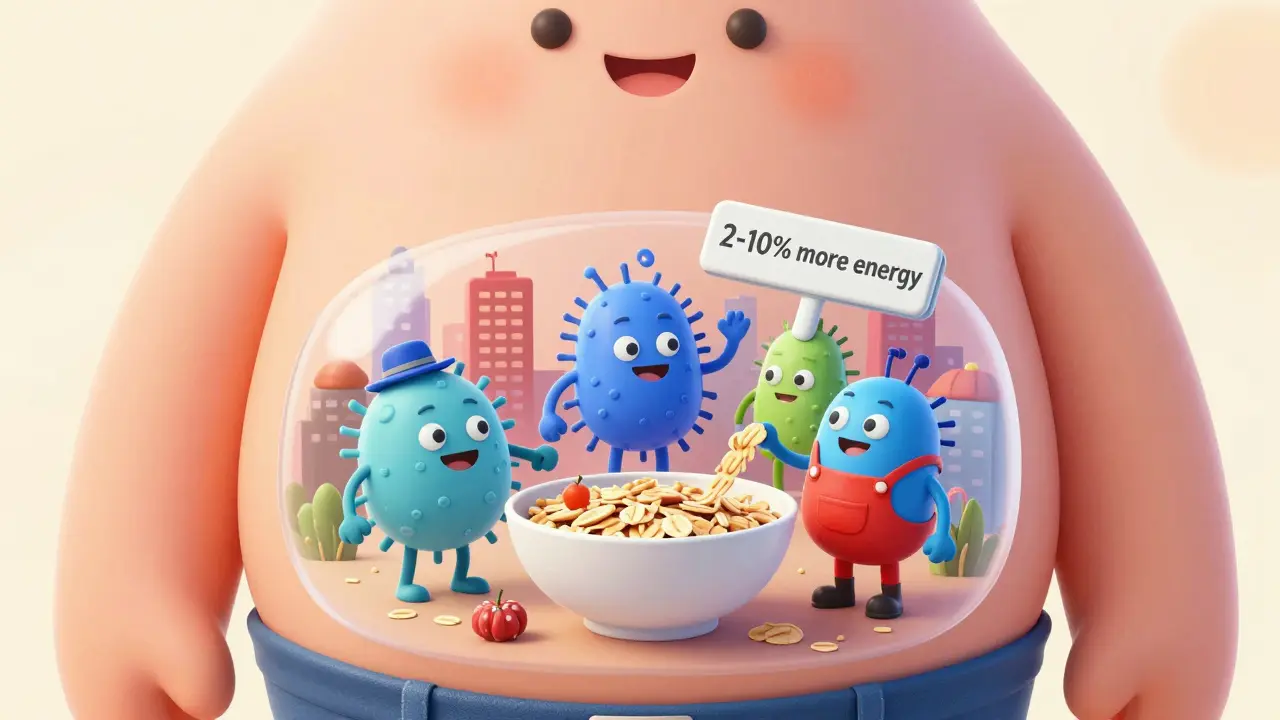
Firmicutes are especially good at breaking down fiber and other complex carbs that your body can’t digest on its own. They turn these into short-chain fatty acids (SCFAs), which your body then absorbs as extra calories. In obese individuals, this process can add 2% to 10% more daily energy intake - enough to slowly pile on pounds over time. At the same time, levels of butyrate, a beneficial SCFA that helps reduce inflammation and supports gut lining health, drop by 15% to 20% in obesity. That means less protection for your intestines and more inflammation creeping into your bloodstream.
Leaky Gut and Inflammation: The Hidden Link
A damaged gut lining - often called "leaky gut" - is common in people with obesity. When the tight junctions between intestinal cells weaken, harmful bacterial byproducts like lipopolysaccharides (LPS) leak into the blood. This triggers chronic low-grade inflammation, which is a known driver of insulin resistance. In fact, obese individuals show 40% to 60% higher levels of zonulin, a protein that opens up those gut junctions. Over time, this inflammation makes it harder for your body to use insulin properly, leading to fat storage instead of fat burning.
How Probiotics Might Help
Probiotics are live bacteria that, when taken in the right amount, can improve your health. Not all probiotics are the same, but some strains have shown real effects on weight and metabolism. The most studied include Lactobacillus rhamnosus GG, Lactobacillus gasseri SBT2055, and Bifidobacterium longum. Doses typically range from 1 billion to 100 billion colony-forming units (CFU) per day.
In a 2022 Japanese trial, people who took Lactobacillus gasseri SBT2055 for 12 weeks lost nearly 8% of their visceral fat - the dangerous fat around organs. Another large 2025 meta-analysis of 28 studies involving over 2,300 people found that probiotic users lost an average of 1.78 kg more than those who didn’t, and their waistlines shrank by 2.56 cm. But here’s the catch: BMI didn’t drop significantly in most studies. That suggests probiotics don’t just make you lighter - they help reshape your body composition.

Synbiotics: When Probiotics Team Up With Prebiotics
Probiotics work better when paired with prebiotics - fibers that feed good bacteria. Together, they’re called synbiotics. A 2025 review found that synbiotic supplements led to 37% more weight loss than probiotics alone. Why? Because prebiotics help the good bacteria survive, grow, and produce more beneficial compounds like butyrate and acetate. One study showed synbiotics boosted SCFA levels by 15% to 25%, which helps calm inflammation and improves how your body handles sugar and fat.
Why Results Vary So Much
Not everyone responds to probiotics the same way. In fact, 38% of the strains tested in studies had no effect on weight. Response rates range from 45% to 75% depending on the person. One big reason? Your baseline gut microbiome matters. A 2024 review found that probiotic interventions were 22% more effective in Asian populations than in Western ones - likely because of differences in diet, genetics, and early-life microbial exposure.
Another issue: most studies last only 12 weeks. When people stop taking probiotics, the benefits fade fast. Up to 80% of the changes reverse within 8 to 12 weeks. That means probiotics aren’t a quick fix - they’re a tool that needs consistent use, and even then, they work best alongside diet and lifestyle changes.
How Probiotics Actually Work in the Body
It’s not magic. Probiotics influence weight through several measurable biological pathways:
- Strengthening the gut barrier: Some strains boost proteins like occludin and claudin-1 by 30% to 40%, helping seal leaky gut.
- Reducing inflammation: Probiotics lower TNF-alpha by 25% to 35% and IL-6 by 15% to 25% - key markers of metabolic inflammation.
- Improving insulin sensitivity: One 2017 study found that combining probiotics with omega-3s improved HOMA-IR (a measure of insulin resistance) by 18.7% in just 12 weeks.
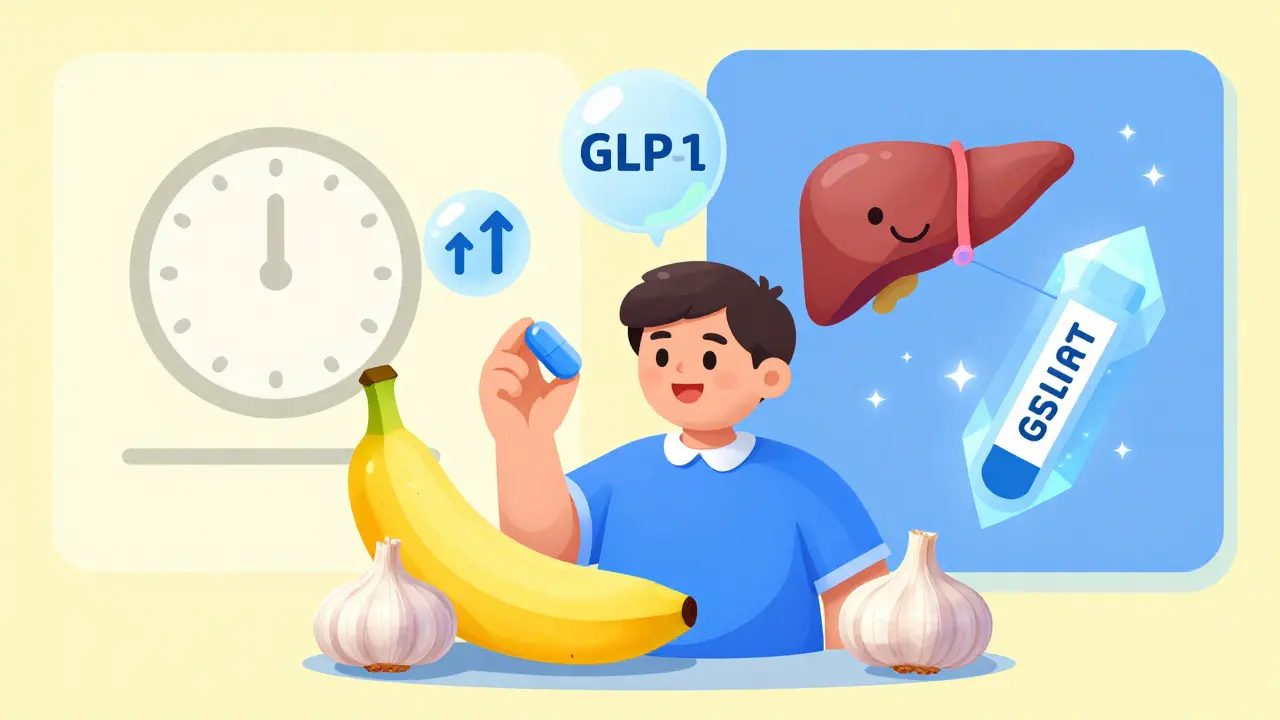
- Boosting appetite hormones: Certain strains increase GLP-1, a hormone that makes you feel full. Some trials saw a 20% to 30% rise in GLP-1 after probiotic use.
- Changing bile acid metabolism: Probiotics alter how bile acids signal to your liver and fat cells, which can reduce fat storage.
What the Experts Say
There’s no consensus yet. Dr. Susan S. Pereira calls gut microbiota manipulation a "promising and novel treatment approach," but warns we don’t yet know the best dose or timing. Dr. Chen Fei stresses the need for large, long-term trials. Meanwhile, the 2025 Nature meta-analysis concluded probiotics may have "no significant effect on reducing BMI in overweight people" - a stark contrast to earlier findings.
The discrepancy? Many studies include people with type 2 diabetes, which muddies the results. Others don’t track which specific strains were used or whether participants were taking antibiotics or eating fiber-rich diets. Without controlling for these factors, it’s hard to know what’s really working.
What Should You Do?
If you’re trying to manage weight and suspect your gut health is off, probiotics might help - but they’re not a magic pill. Here’s what the evidence suggests:
- Choose strains with proven results: Lactobacillus gasseri SBT2055, Bifidobacterium longum, or multi-strain blends.
- Look for products with at least 10 billion CFU per dose.
- Pair probiotics with prebiotic foods: garlic, onions, leeks, asparagus, oats, and bananas.
- Give it at least 8 to 12 weeks before judging results.
- Don’t expect miracles - combine probiotics with a balanced diet, regular movement, and good sleep.
Probiotics work best when they’re part of a bigger plan. They won’t undo years of poor eating habits on their own, but they can tilt the scales in your favor - by helping your gut do its job better.
What’s Next for Gut Health and Weight Loss?
The future isn’t one-size-fits-all probiotics. Researchers are now building algorithms to predict who will respond to which strain based on their unique microbiome profile. Early pilot studies have reached 65% to 75% accuracy in matching people to the right bacteria. Imagine a simple stool test telling you exactly which probiotic to take - not just for weight, but for better blood sugar, lower inflammation, and improved energy.
For now, the science is still evolving. But one thing is clear: your gut isn’t just a digestive tube. It’s a dynamic organ that talks to your brain, your fat cells, and your immune system. If you’re struggling with weight, it might not be about willpower - it might be about your microbes.
Can probiotics help me lose belly fat?
Yes, some probiotics have been shown to reduce visceral fat - the deep abdominal fat linked to metabolic disease. In a 12-week trial, Lactobacillus gasseri SBT2055 led to a 7.9% drop in visceral fat. Other studies show waist circumference shrinking by 2.5 cm on average with probiotic use. But results vary by strain, dose, and individual microbiome.
How long do probiotic effects last after stopping?
Most benefits fade within 8 to 12 weeks after stopping probiotics. Studies show 60% to 80% of microbial changes reverse quickly because your native gut bacteria return to their original state. To maintain results, you’ll likely need to keep taking them - or support your gut with fiber-rich foods long-term.
Are all probiotics the same for weight loss?
No. Different strains do different things. Lactobacillus gasseri targets belly fat. Bifidobacterium longum helps reduce inflammation. Lactobacillus rhamnosus GG may improve insulin sensitivity. Many products combine strains, but not all combinations are backed by science. Always check which strains are listed and look for clinical trial references.
Do I need to take probiotics with food?
It depends on the product. Some probiotics are designed to be taken on an empty stomach for better survival. Others work better with food, especially if they’re paired with fats (like in synbiotic formulas). Always follow the label. If unsure, take them with a small meal containing fiber - it helps the bacteria settle in.
Can I get enough probiotics from yogurt or fermented foods?
Yogurt and kimchi contain beneficial bacteria, but they usually don’t deliver the high, targeted doses used in studies. For example, a serving of yogurt might have 1 billion CFU, while clinical trials use 10 to 100 billion. Fermented foods are great for general gut health, but if you’re aiming for measurable weight or metabolic benefits, a supplement with proven strains is more reliable.
Are there side effects from taking probiotics for weight loss?
Most people tolerate probiotics well. Some report mild bloating or gas at first, which usually clears up in a few days. People with weakened immune systems or serious illnesses should talk to a doctor first. There’s no evidence that probiotics cause weight gain, but low-quality products with fillers or added sugar might.

Eli Kiseop
so like... my gut is basically a tiny factory that's overworking and making me fat? that's wild. i thought it was just cookies and laziness
Ellie Norris
i tried that Lactobacillus gasseri stuff for 3 months. lost 2 inches off my waist but gained 3 lbs of muscle. weird. probiotics aren't magic but they help if you're not eating junk 24/7
Bob Hynes
bruh my gut microbiome is like a chaotic punk band and i'm the only one trying to keep it from blowing up the venue 🤘. probiotics are the new manager but half the time they just play the wrong songs
Nick Flake
we think of our gut like a pipe but it's more like a sentient orchestra. every strain plays a different instrument. when you're obese, the whole band is off-key. probiotics don't fix the music... they help you tune it back up 🎻✨
Sami Sahil
bro i started takin probiotics + oats every mornin. lost 8lbs in 2 months. not because i ate less but because my body stopped hoardin fat like a squirrel with a panic disorder. gut health is real dont sleep on it
Marc Durocher
i read this whole thing and still think the real problem is we treat our guts like trash cans then wonder why we're bloated. also why is everyone so obsessed with BMI? my waist shrunk but i gained muscle. who cares if the scale didn't budge?
larry keenan
the meta-analysis cited demonstrates statistical insignificance in BMI reduction across heterogeneous cohorts. however, the effect size on visceral adiposity and inflammatory biomarkers suggests clinically relevant outcomes warranting further stratified investigation.
jay patel
you people act like probiotics are the holy grail but let me tell you something. my cousin took them for a year. lost 1 pound. then ate a whole pizza. back to square one. it's not the bacteria. it's the person. you can't out-supplement a bad lifestyle. also i hate when people say 'your gut talks to your brain' like it's some mystical whispering. it's just hormones and nerves. stop romanticizing biology
Hannah Gliane
so let me get this straight... i'm supposed to believe that eating yogurt will undo 10 years of pizza, soda, and 3am snacks? 🙄 you're telling me my laziness is just a microbiome problem? cool. next you'll say my bad credit is because of bad gut flora
phara don
i tried it. didn't work. maybe i'm just one of the 38% who don't respond. or maybe my gut is just too broken. 🤷♂️
Murarikar Satishwar
the key insight here is that probiotics are not standalone solutions but modulators of a complex ecosystem. their efficacy is contingent upon baseline microbial composition, dietary fiber intake, and circadian alignment. a 12-week trial is insufficient to capture long-term microbial adaptation. consider this: if you change your diet, your microbes change. if you change your microbes, your diet cravings change. it's a feedback loop, not a linear intervention.
Becky M.
i think people forget that probiotics need food to live. like... you can't just dump them in your gut and hope they survive. you gotta feed em with fiber. i started eating more asparagus and now i feel less bloated. not magic. just good habits
Ansley Mayson
this is just another wellness scam. stop selling snake oil. if you want to lose weight eat less and move more. end of story.