Learn the real risks and safe usage of OTC topical pain relievers like creams, gels, and patches. Discover which ingredients are safe, which can cause burns, and how to avoid dangerous products.
Read more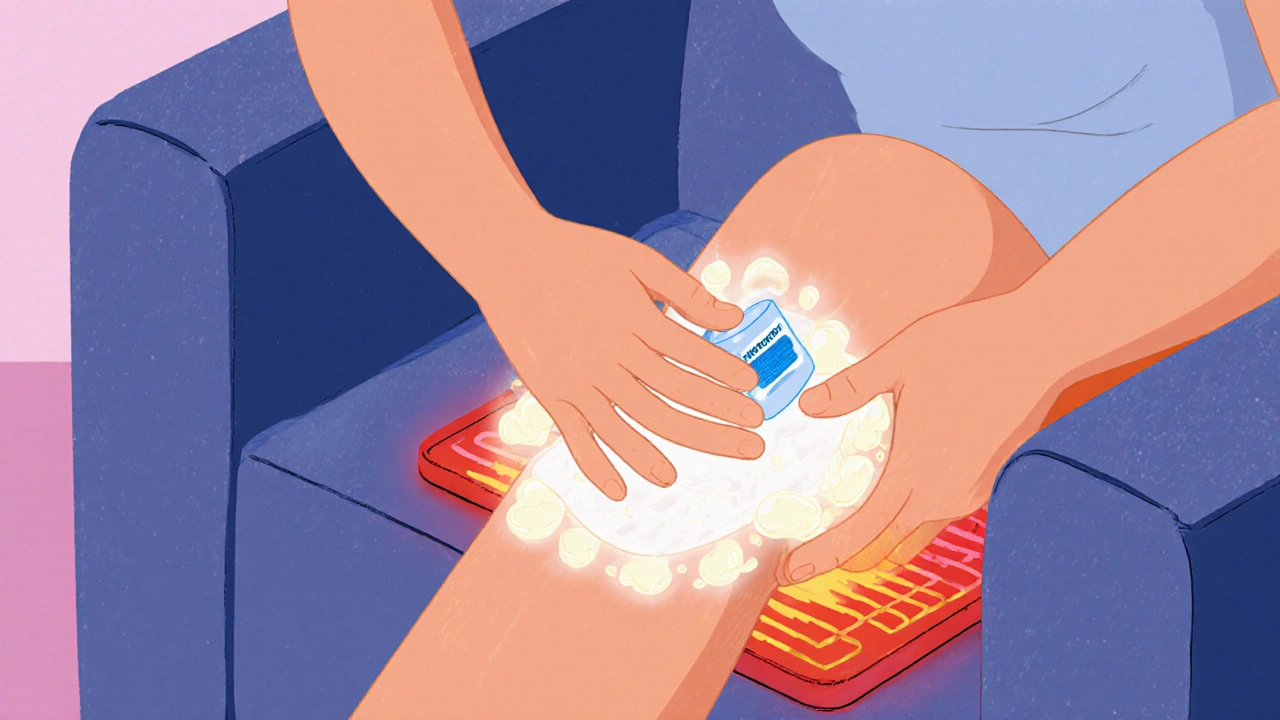
When you’re trying to save money on prescriptions, generic drugs, lower-cost versions of brand-name medications that meet the same FDA standards for safety and effectiveness. Also known as brand equivalents, they make up over 90% of prescriptions filled in the U.S. and save patients billions each year. But not all generics are created equal—what makes them work the same as the brand name? It comes down to bioequivalence studies, rigorous tests that prove a generic drug absorbs into the body at the same rate and amount as the original. These studies are required by the FDA before a generic can be approved, using strict rules like the 80/125 rule to ensure your body gets the same dose, whether you pick the brand or the cheaper version.
But saving money shouldn’t mean risking your health. That’s why medication safety, the practice of using drugs correctly to avoid harm, side effects, or dangerous interactions. is just as important as cost. In November 2025, we looked at how topical pain relievers, creams, gels, and patches sold over the counter for muscle and joint pain. can cause serious burns if misused—especially when they contain menthol, capsaicin, or methyl salicylate. We also covered how drug interactions, when two or more medications or supplements affect each other’s action in the body. can turn harmless habits into life-threatening risks. For example, St. John’s wort can make birth control fail, and certain foods can interfere with chemotherapy. Even something as simple as crushing a pill can be dangerous if it’s designed to release slowly.
These aren’t abstract concerns. People are skipping doses because pills are hard to swallow. Others are buying cheap generic Paxil online without knowing if it’s real. Some are using steroid eye drops for months without checking for glaucoma. The articles from this month give you the facts you need to avoid these traps. You’ll learn how to read expiration dates on compounded meds, spot the difference between impetigo and cellulitis, and understand why some generic drugs keep disappearing from shelves. Whether you’re managing chronic pain, helping a teen on psychiatric meds, or just trying to keep your prescriptions affordable, this archive gives you real, no-fluff guidance you can use today.
Learn the real risks and safe usage of OTC topical pain relievers like creams, gels, and patches. Discover which ingredients are safe, which can cause burns, and how to avoid dangerous products.
Read more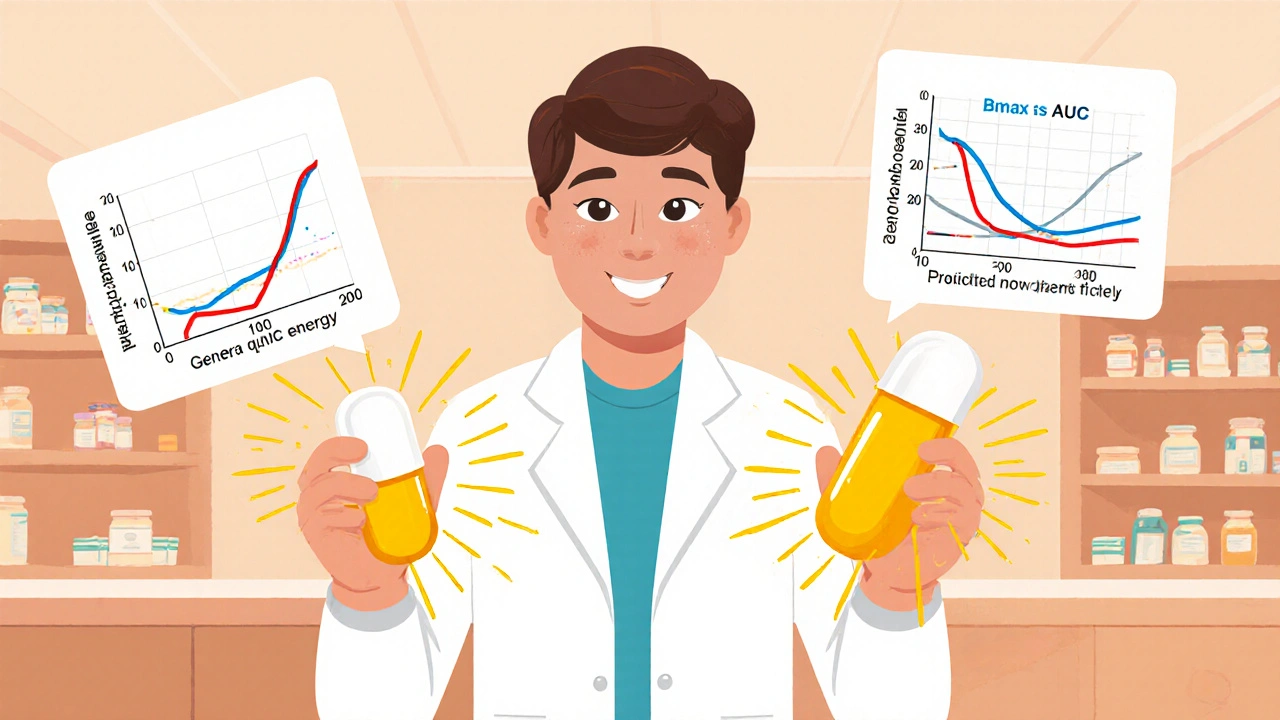
The FDA requires generic drug manufacturers to prove bioequivalence through strict pharmacokinetic studies to ensure their products match the brand-name version in absorption and effectiveness. Learn how the 80/125 rule, biowaivers, and product-specific guidances make generics safe and affordable.
Read more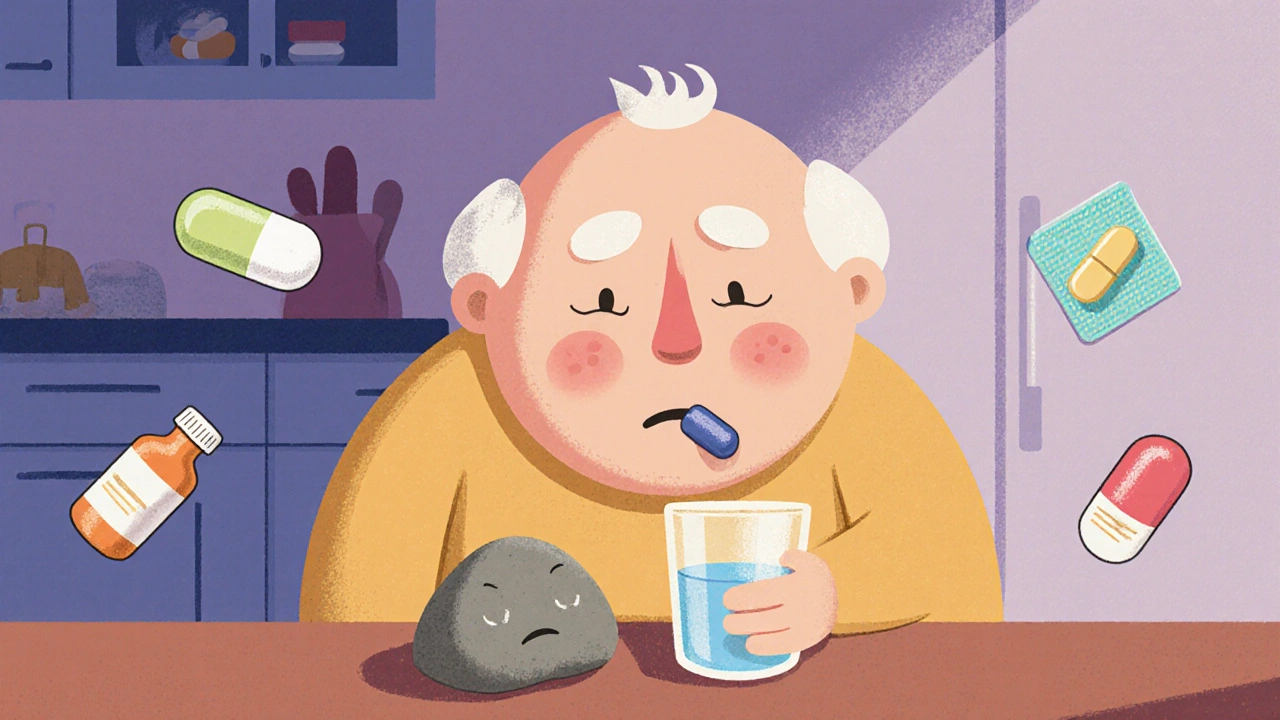
Swallowing difficulties make it hard to take medicine, but crushing pills can be dangerous. Learn safe alternatives like liquid forms, dissolvable tablets, swallowing techniques, and how to work with your care team to stay on track.
Read more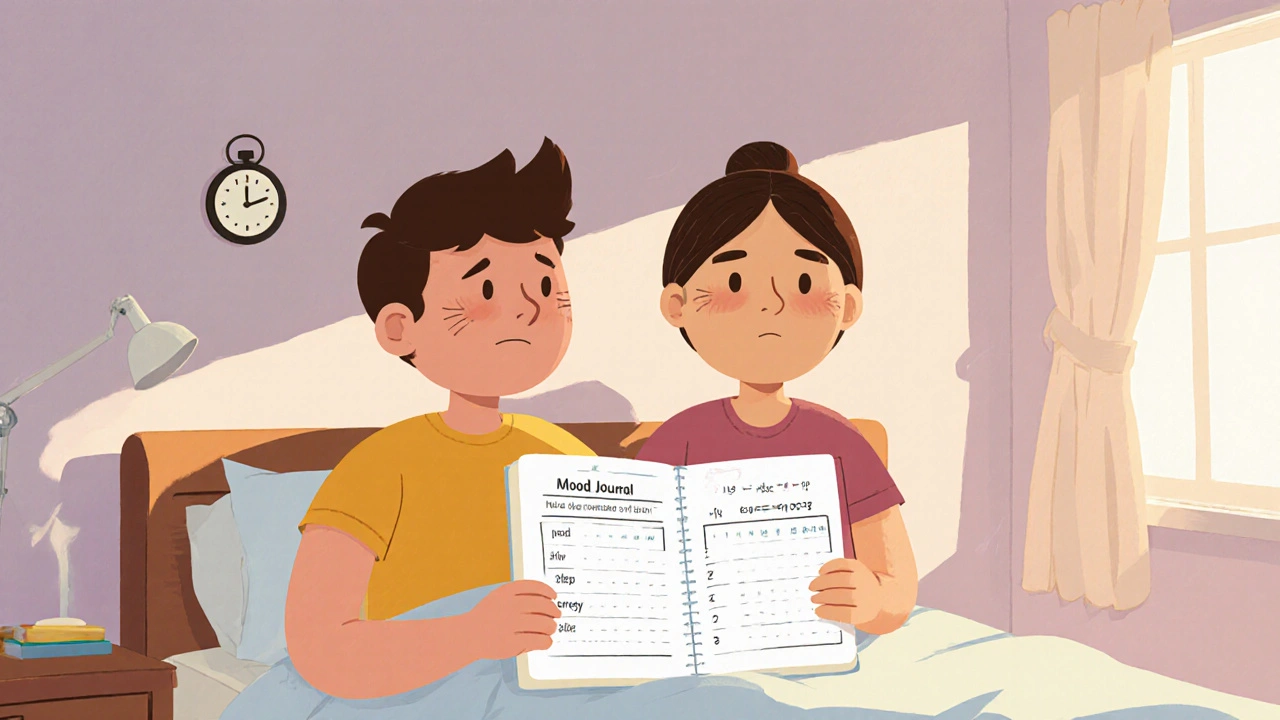
Psychiatric medications can help teens with depression and anxiety-but they also carry a risk of increasing suicidal thoughts, especially early in treatment. Learn how to monitor for warning signs, when to act, and what protocols actually work.
Read more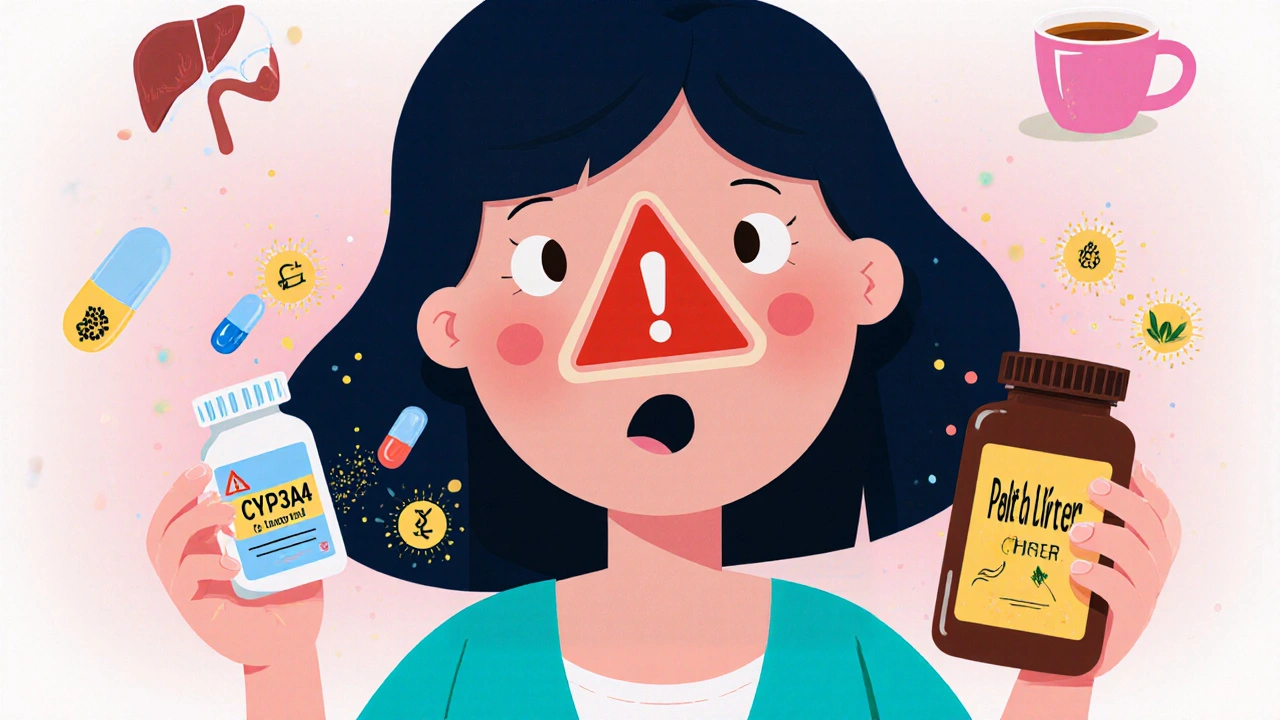
Certain herbal supplements like St. John’s wort, grapefruit, and activated charcoal can reduce birth control effectiveness. Learn which ones are risky, which are safe, and what steps to take to protect yourself.
Read more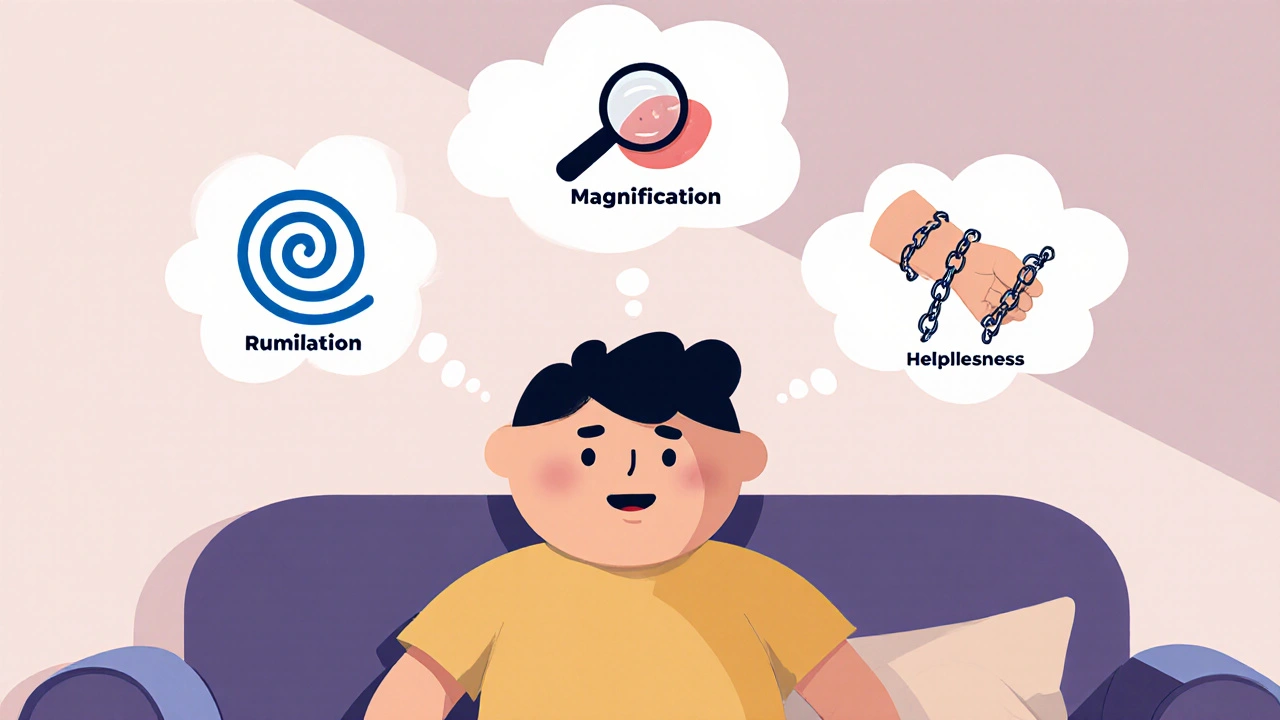
Pain catastrophizing makes pain worse by amplifying fear and helplessness. CBT tools like thought tracking, cognitive restructuring, and behavioral activation can reduce distress and improve function - even when pain doesn't go away.
Read more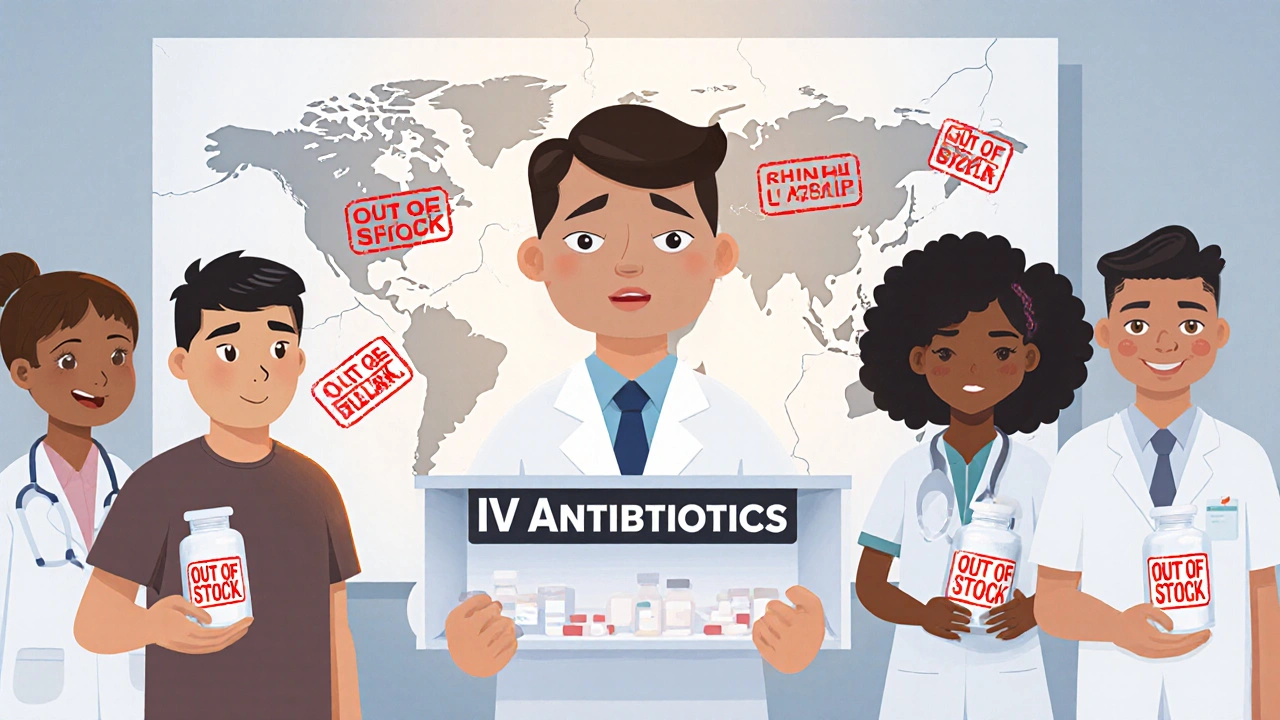
Generic drug shortages are rising due to fragile supply chains, low profit margins, and overreliance on foreign manufacturing. Learn why essential medications keep disappearing-and what’s being done to fix it.
Read more
Learn how to tell the difference between manufacturer expiration dates and pharmacy beyond-use dates for compounded medications. Know when your medicine is still safe-and when it’s not.
Read more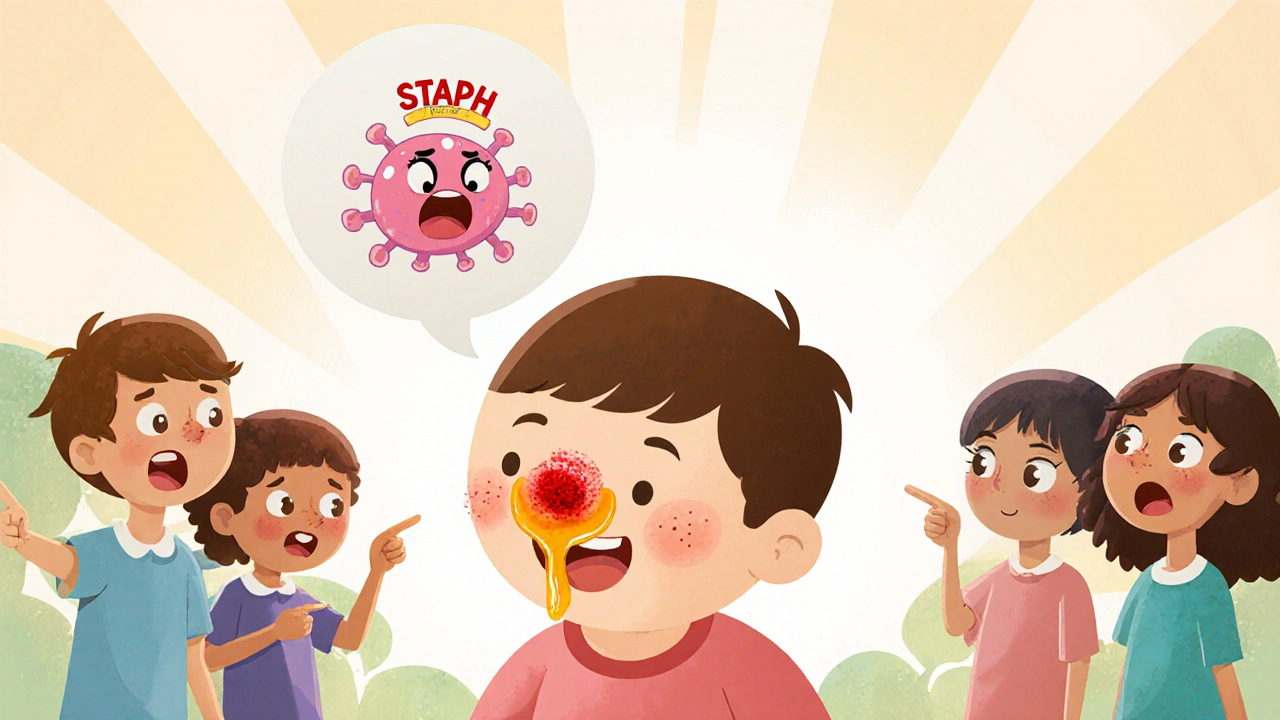
Learn how to tell impetigo and cellulitis apart, what antibiotics actually work for each, and why choosing the right one matters more than ever with rising antibiotic resistance.
Read more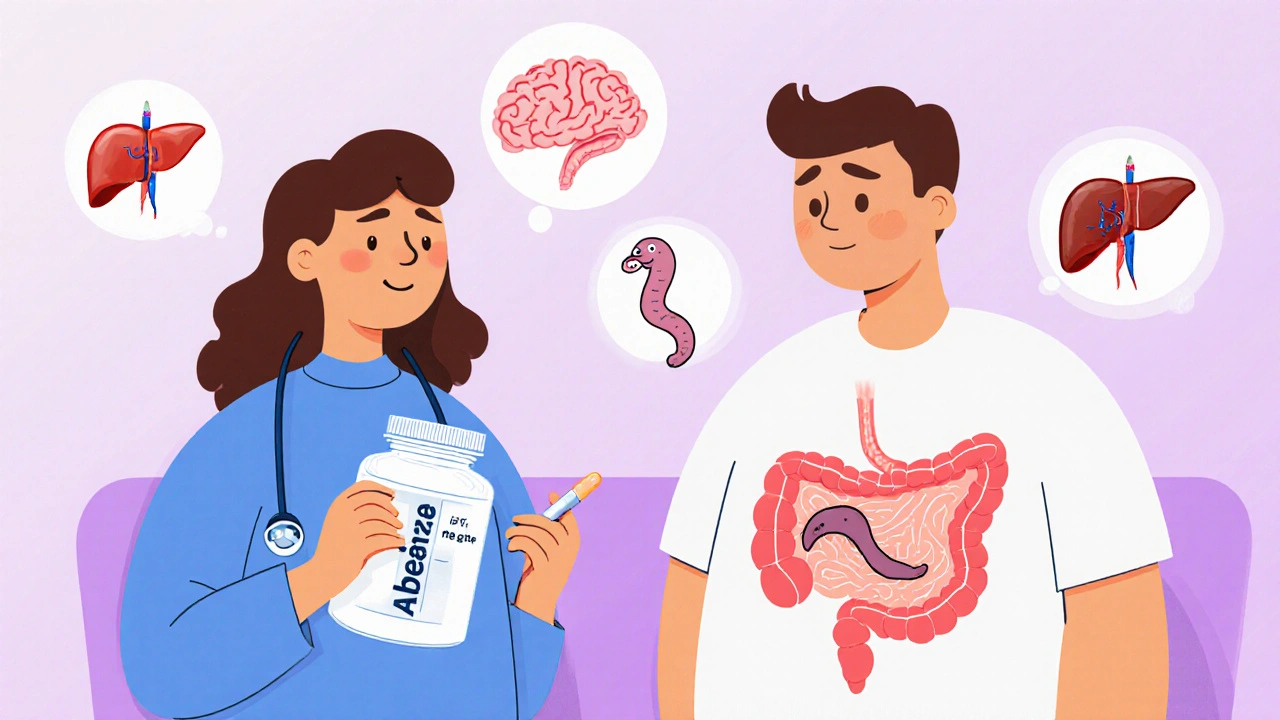
Albenza (albendazole) treats serious parasitic infections, but cheaper, safer alternatives like mebendazole and praziquantel may work better depending on your infection type. Know your options before starting treatment.
Read more