Dilated, hypertrophic, and restrictive cardiomyopathy are three distinct heart muscle diseases with different causes, symptoms, and treatments. Learn how they differ, what tests confirm them, and how modern therapies are changing outcomes.
Read more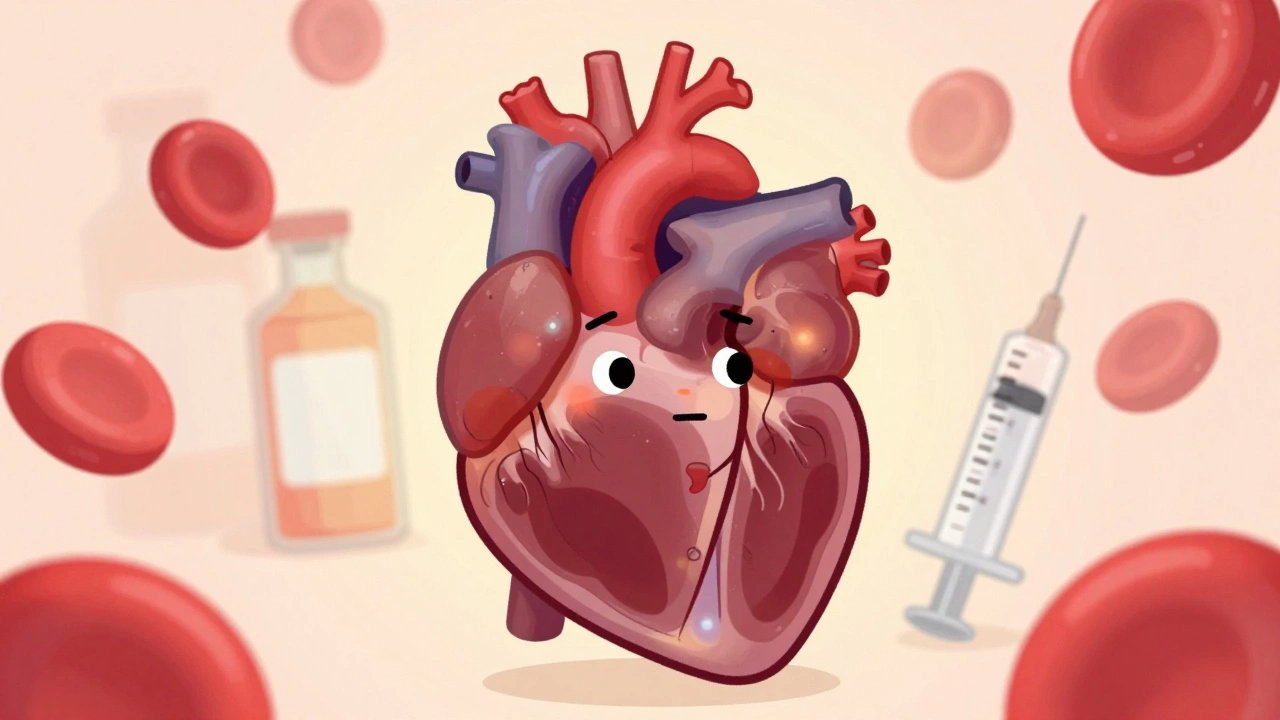
When your heart muscle gets stiff and can't relax enough to fill with blood, you're dealing with restrictive cardiomyopathy, a type of heart disease where the ventricles become rigid and struggle to expand. Also known as infiltrative cardiomyopathy, it’s not as common as other forms, but it’s just as serious — and often gets missed until symptoms like shortness of breath or swelling in the legs become impossible to ignore. Unlike dilated or hypertrophic cardiomyopathy, the heart doesn’t enlarge or thicken dramatically — it just loses its flexibility. This means less blood gets pumped out with each beat, leading to heart failure, a condition where the heart can’t meet the body’s demand for blood and oxygen. People with this condition often feel tired, winded even during light activity, and may notice their ankles puffing up by the end of the day.
What causes this stiffness? It can come from scar tissue buildup, abnormal proteins (like in amyloidosis), or even excess iron in the heart (hemochromatosis). Sometimes, it’s linked to autoimmune disorders or radiation therapy. The key is figuring out the root cause — because treatment isn’t one-size-fits-all. You might need cardiac medications, drugs designed to ease pressure on the heart and improve its ability to function despite stiffness like diuretics to reduce fluid, beta-blockers to slow the heart rate, or even drugs targeting the underlying disease, like chemotherapy for amyloidosis. There’s no cure, but managing symptoms and slowing progression is totally possible with the right combo of meds and monitoring.
Many of the posts below focus on how medications work — from generic alternatives that cut costs without sacrificing effectiveness, to drug interactions that can make things worse. You’ll find real talk on how to avoid dangerous combos, what to ask your doctor about side effects, and how to stick to your regimen when swallowing pills becomes hard. Whether you’re managing restrictive cardiomyopathy yourself or helping someone who is, this collection gives you the facts you need — no fluff, no jargon, just what works.
Dilated, hypertrophic, and restrictive cardiomyopathy are three distinct heart muscle diseases with different causes, symptoms, and treatments. Learn how they differ, what tests confirm them, and how modern therapies are changing outcomes.
Read more