Dilated, hypertrophic, and restrictive cardiomyopathy are three distinct heart muscle diseases with different causes, symptoms, and treatments. Learn how they differ, what tests confirm them, and how modern therapies are changing outcomes.
Read more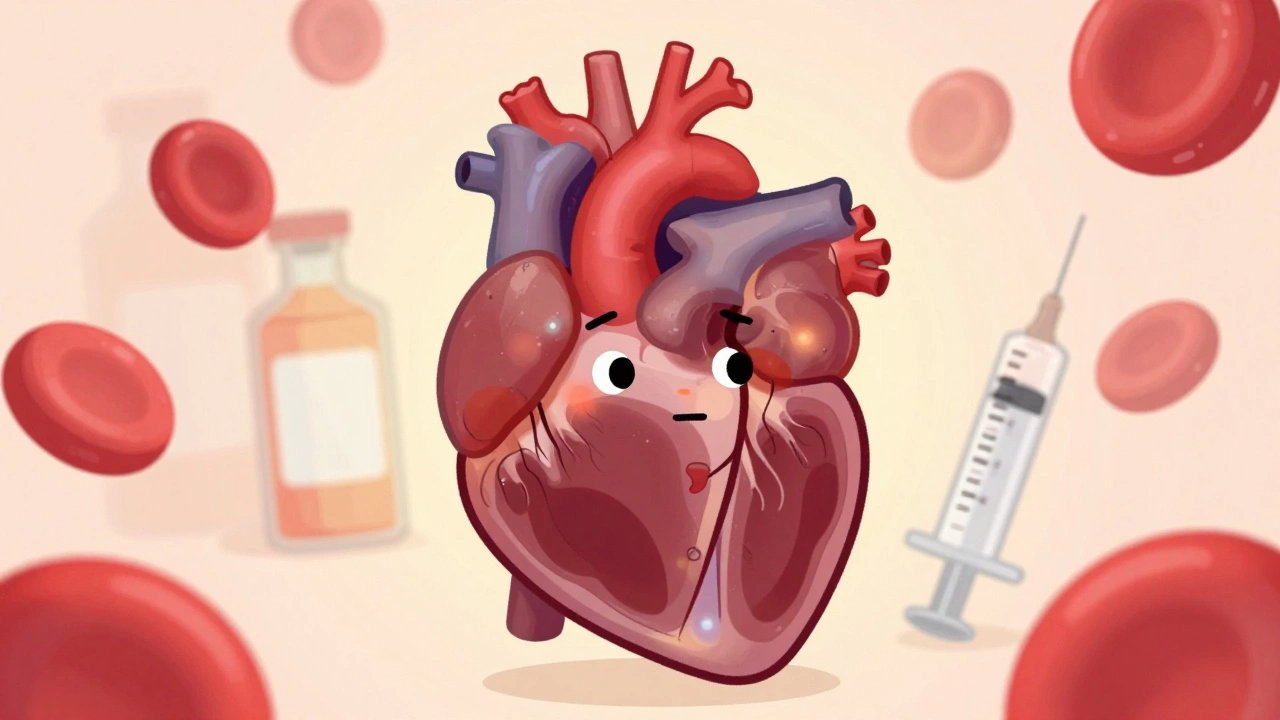
When the heart muscle thickens without a clear cause like high blood pressure or valve disease, it’s often hypertrophic cardiomyopathy, a genetic condition where the heart walls become abnormally thick, reducing the chamber size and limiting blood flow. Also known as HCM, it’s one of the most common inherited heart diseases and can strike people as young as teens—even if they seem healthy. This isn’t just about a strong heartbeat—it’s about a heart that struggles to relax, fill with blood, or pump efficiently. In some cases, it leads to irregular rhythms, chest pain, or sudden cardiac arrest, especially during intense exercise.
Hypertrophic cardiomyopathy often runs in families, so if someone in your close family has it, screening is critical. Doctors use echocardiograms to spot the thickened muscle and check for obstruction. Medications like beta-blockers and calcium channel blockers help the heart relax and slow down, reducing symptoms. For those at high risk of sudden death, an ICD (implantable cardioverter-defibrillator) may be recommended. But many people live normal lives with proper management—and that includes access to affordable, generic versions of these drugs. Beta-blockers, a class of drugs that reduce heart rate and blood pressure by blocking adrenaline are often the first line of defense. Calcium channel blockers, medications that help the heart muscle relax by controlling calcium flow are used when beta-blockers aren’t enough. Both are available as generics, making long-term treatment far more accessible.
What you won’t find in every doctor’s office is clear advice on how to afford these meds month after month. Many patients skip doses or delay refills because of cost—even though the condition can worsen without consistent treatment. That’s why knowing where to find reliable, low-cost options matters as much as the diagnosis itself. Below, you’ll find real, practical guides on medication safety, generic drug effectiveness, and how to avoid dangerous interactions—all tied directly to managing conditions like hypertrophic cardiomyopathy. Whether you’re newly diagnosed or managing this for years, the information here is meant to help you stay on track without breaking the bank.
Dilated, hypertrophic, and restrictive cardiomyopathy are three distinct heart muscle diseases with different causes, symptoms, and treatments. Learn how they differ, what tests confirm them, and how modern therapies are changing outcomes.
Read more