Dilated, hypertrophic, and restrictive cardiomyopathy are three distinct heart muscle diseases with different causes, symptoms, and treatments. Learn how they differ, what tests confirm them, and how modern therapies are changing outcomes.
Read more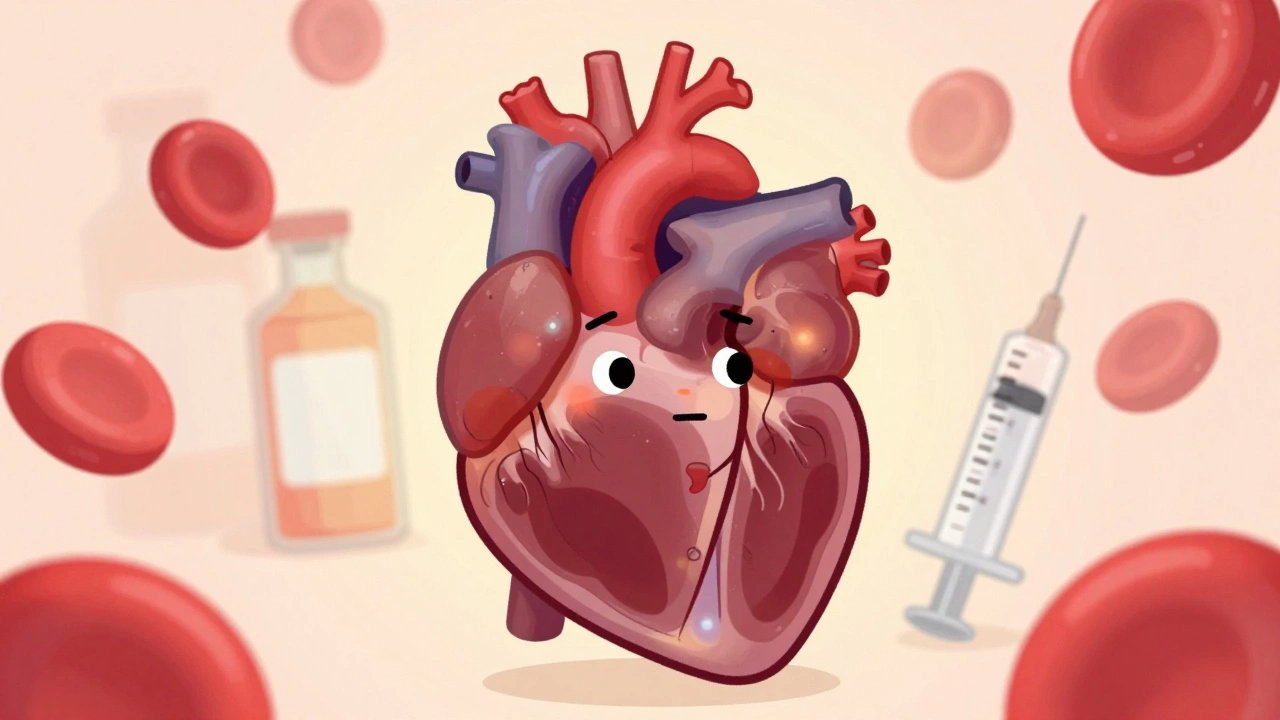
When your heart muscle gets weak, thickened, or stiff, it can’t pump blood the way it should. This is heart muscle disease, a group of conditions that affect the heart’s ability to pump blood effectively, often leading to heart failure. Also known as cardiomyopathy, it doesn’t always come with warning signs—until your body starts struggling to keep up. It’s not just about aging. It can hit anyone, even young people, because of genetics, long-term high blood pressure, viral infections, or even heavy alcohol use.
There are several types, and each behaves differently. dilated cardiomyopathy, where the heart chambers stretch and thin out is the most common. Then there’s hypertrophic cardiomyopathy, where the heart wall grows too thick, blocking blood flow, often passed down in families. And restrictive cardiomyopathy, where the heart muscle gets stiff and can’t relax properly—this one’s rarer but just as serious. All of them can lead to heart failure, irregular heartbeats, or sudden cardiac arrest if left unchecked.
What helps? It depends on the type and how far it’s gone. Medications like beta-blockers, ACE inhibitors, and diuretics are often the first line of defense. Some people need implants—pacemakers or defibrillators—to keep the rhythm steady. In advanced cases, surgery or even a transplant might be the only option. But here’s the thing: catching it early changes everything. Regular check-ups, tracking symptoms like swelling in the legs, shortness of breath, or unusual fatigue, and avoiding alcohol or drugs that stress the heart can make a real difference.
And it’s not just about drugs. Lifestyle matters. Cutting back on salt, staying active within your limits, managing stress, and keeping blood pressure and cholesterol in check aren’t just good advice—they’re part of the treatment plan. Many of the posts below dive into how medications interact with heart conditions, what to watch for when you’re on multiple drugs, and how to avoid mistakes that could make things worse. You’ll find real-world advice on managing heart muscle disease alongside other conditions like high blood pressure, diabetes, or kidney issues—all of which can make cardiomyopathy harder to control.
There’s no magic cure, but with the right care, many people live full lives. The key is knowing the signs, asking the right questions, and staying informed about what’s in your medicine cabinet. Below, you’ll find practical guides on drug safety, interactions, and how to navigate treatment without getting overwhelmed. This isn’t just about pills—it’s about staying in control of your heart health, one smart choice at a time.
Dilated, hypertrophic, and restrictive cardiomyopathy are three distinct heart muscle diseases with different causes, symptoms, and treatments. Learn how they differ, what tests confirm them, and how modern therapies are changing outcomes.
Read more