Dilated, hypertrophic, and restrictive cardiomyopathy are three distinct heart muscle diseases with different causes, symptoms, and treatments. Learn how they differ, what tests confirm them, and how modern therapies are changing outcomes.
Read more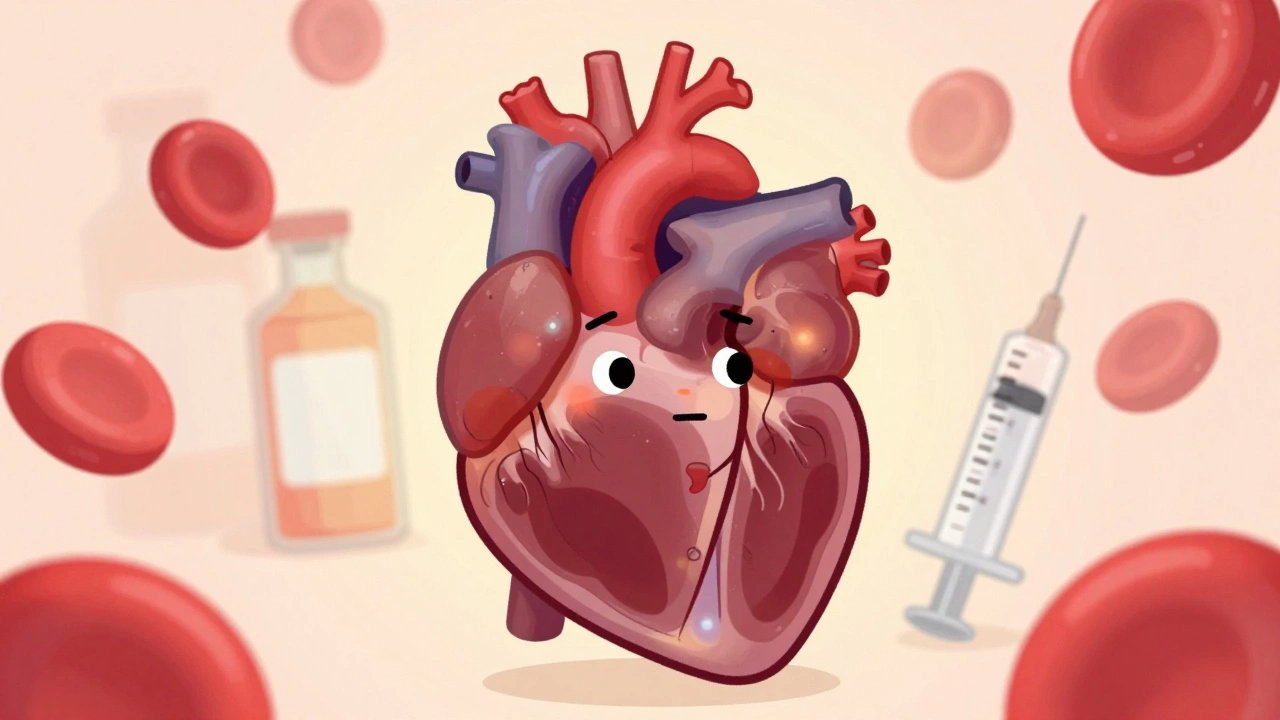
When your heart muscle gets weak, thickened, or stiff, it’s often due to cardiomyopathy, a group of diseases that directly affect the heart muscle’s ability to pump blood effectively. Also known as heart muscle disease, it doesn’t always come from clogged arteries—it’s about the muscle itself failing to do its job. There are several distinct cardiomyopathy types, each with unique causes, symptoms, and progression patterns, and knowing which one you or a loved one has makes a big difference in treatment.
The most common form is dilated cardiomyopathy, where the left ventricle stretches and thins, making it harder to pump blood. It often shows up after a viral infection, heavy alcohol use, or sometimes with no clear cause—and it’s the top reason people end up needing a heart transplant. Then there’s hypertrophic cardiomyopathy, a genetic condition where the heart wall grows abnormally thick, blocking blood flow. It’s the leading cause of sudden cardiac death in young athletes. Restrictive cardiomyopathy, less common but serious, happens when the heart muscle becomes rigid, so it can’t fill properly between beats. And arrhythmogenic cardiomyopathy, often linked to gene mutations, replaces heart muscle with scar tissue, triggering dangerous heart rhythms. These aren’t just medical terms—they’re real conditions that change how people live, what meds they take, and whether they need a device like an ICD.
Some types run in families, others show up after chemotherapy or long-term high blood pressure. You might not feel anything at first, but fatigue, swelling in the legs, or shortness of breath during simple tasks can be warning signs. The good news? Early detection and the right treatment—whether it’s beta-blockers, lifestyle changes, or surgery—can help many people live full lives. Below, you’ll find real-world guides on how medications, monitoring, and prevention strategies tie into these conditions. No fluff. Just what matters for your heart.
Dilated, hypertrophic, and restrictive cardiomyopathy are three distinct heart muscle diseases with different causes, symptoms, and treatments. Learn how they differ, what tests confirm them, and how modern therapies are changing outcomes.
Read more