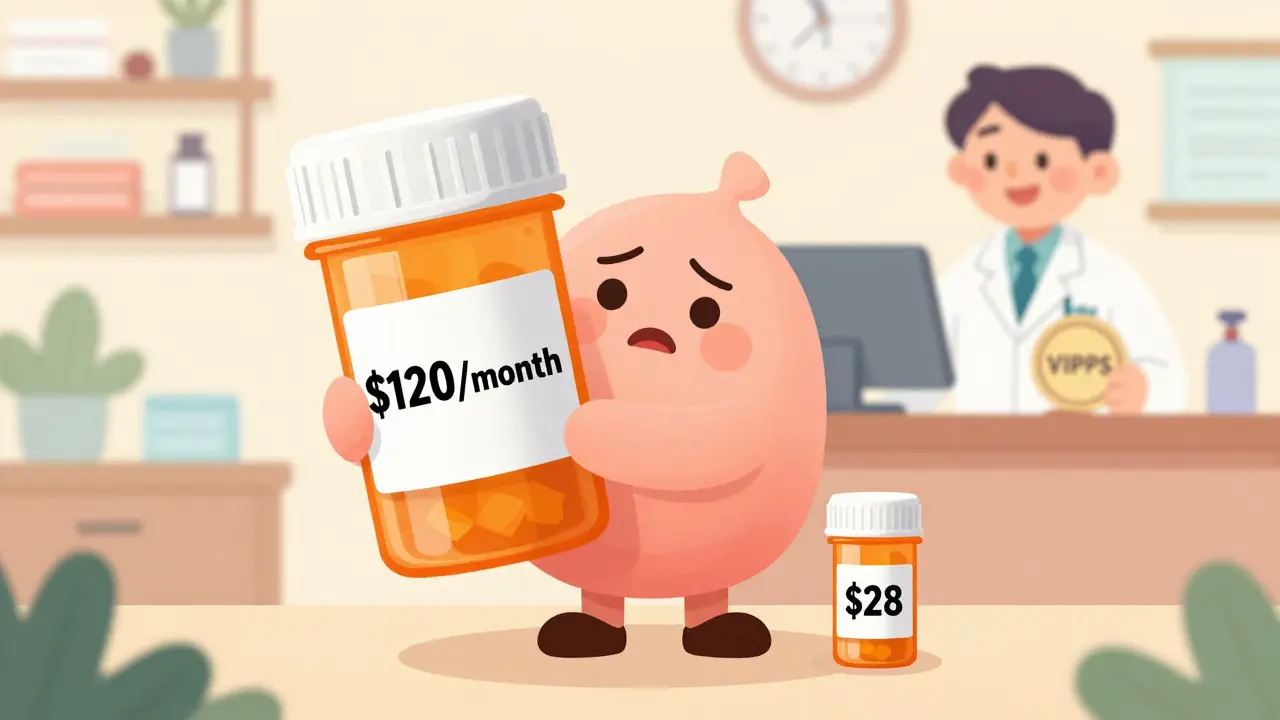
If you’ve ever stared at a prescription bottle and felt your stomach drop at the price tag, you’re not alone. In the U.S., even generic drugs-medicines that are chemically identical to brand-name versions-can cost hundreds of dollars a month. But if you look across borders, the same pills often cost a fraction of that. The question isn’t whether cheaper generics exist abroad-it’s whether you can safely get them.
Why U.S. Drug Prices Are So High (Even for Generics)
The U.S. pays more for drugs than almost any other country. According to a 2022 HHS report, American drug prices are nearly 2.78 times higher than in 33 other wealthy nations. That’s not just for brand-name drugs. Even generics, which make up 90% of U.S. prescriptions, cost more here than they do elsewhere.
Here’s the twist: U.S. prices for unbranded generics are actually lower than in many other countries-just 67% of the average price in OECD nations. So why do Americans still pay so much? It’s because of how the system works. Pharmacy benefit managers (PBMs) negotiate bulk discounts for generics, but those savings rarely reach patients at the pharmacy counter. Meanwhile, brand-name drugs are priced sky-high to fund R&D, and those costs get passed on to consumers.
Compare that to countries like Canada or the UK, where governments set price limits. In Canada, generic versions of common drugs like atorvastatin (Lipitor) or metformin cost about 32% less than in the U.S. In the UK, they’re 47% lower. Sweden? Their generics are 44% cheaper than the European average. You’re not imagining things-these drugs really are cheaper overseas.
Where Are the Cheapest Generics?
Not all countries are created equal when it comes to generic drug pricing. Here’s a quick look at where you’re most likely to find real savings:
- Canada: The most popular option for U.S. buyers. Prices for common generics are 30-50% lower. Accredited Canadian pharmacies (like those with VIPPS certification) are often safe and reliable.
- United Kingdom: The NHS negotiates bulk prices, so even brand-name drugs are cheaper. Generics are consistently 40-50% below U.S. retail.
- India: The world’s largest generic manufacturer. Prices here can be as low as 10-20% of U.S. costs. But quality control varies wildly.
- Mexico: Close geographically, with lower prices and similar regulatory standards. Many U.S. pharmacies source generics from Mexican manufacturers.
- Sweden and Finland: These countries have some of the lowest prices in Europe thanks to strict price controls and high generic use.
But here’s the catch: just because a drug is cheap doesn’t mean it’s safe. India and China produce over 80% of the world’s generic active ingredients. But only 45% of countries have regulatory systems that can guarantee consistent quality.
The Real Risks: Counterfeits, Shipping, and Quality
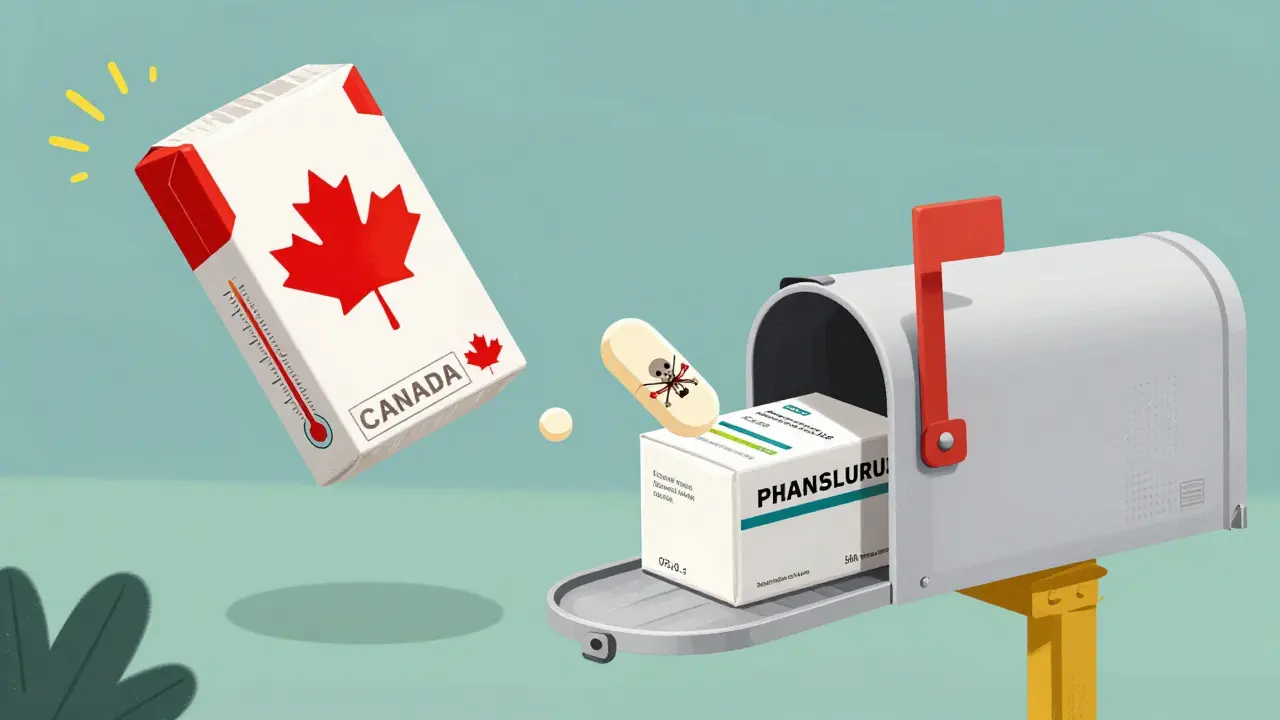
Buying abroad isn’t just about saving money-it’s about avoiding danger. The FDA found that 15.7% of seized counterfeit drugs entering the U.S. come through international mail. Nearly 90% of those fake pills originate from just three countries: China, India, and Canada.
Temperature control is another silent killer. Medications like insulin, certain antibiotics, or even antidepressants like sertraline need stable temperatures during shipping. The International Air Transport Association says 20-25% of pharmaceutical shipments experience temperature excursions. That doesn’t just mean the pill is warm-it could mean the drug lost 30% of its potency.
One Reddit user, "AnxiousPatient," bought generic sertraline from an Indian website. The pills varied in size and color. They didn’t work. They had to go to the ER. Another user saved $1,200 a year buying atorvastatin from a Canadian pharmacy-but waited three weeks during winter storms.
The FDA warns: "The risks of substandard, falsified, and diverted products outweigh the potential savings for most consumers." That’s not just bureaucracy. It’s based on real data.
How to Buy Safely (If You Decide To)
You can buy generics abroad safely-but only if you know how. Here’s what actually works:
- Use only accredited pharmacies. Look for the VIPPS seal from the National Association of Boards of Pharmacy. As of July 2024, only 63 international pharmacies had this certification.
- Stick to countries with strong regulators. Canada, the UK, Australia, and the EU are your safest bets. Avoid websites that don’t require a prescription or that offer "miracle" discounts.
- Never buy from random websites. If a site looks like a 2005-era Geocities page, walks like a scam, and talks like a scam-it is one.
- Check the packaging. Legitimate international generics have English instructions, batch numbers, expiration dates, and manufacturer info. No labels? No deal.
- Know your limits. The FDA allows personal importation of a 90-day supply for personal use. No bulk orders. No resale. No exceptions.
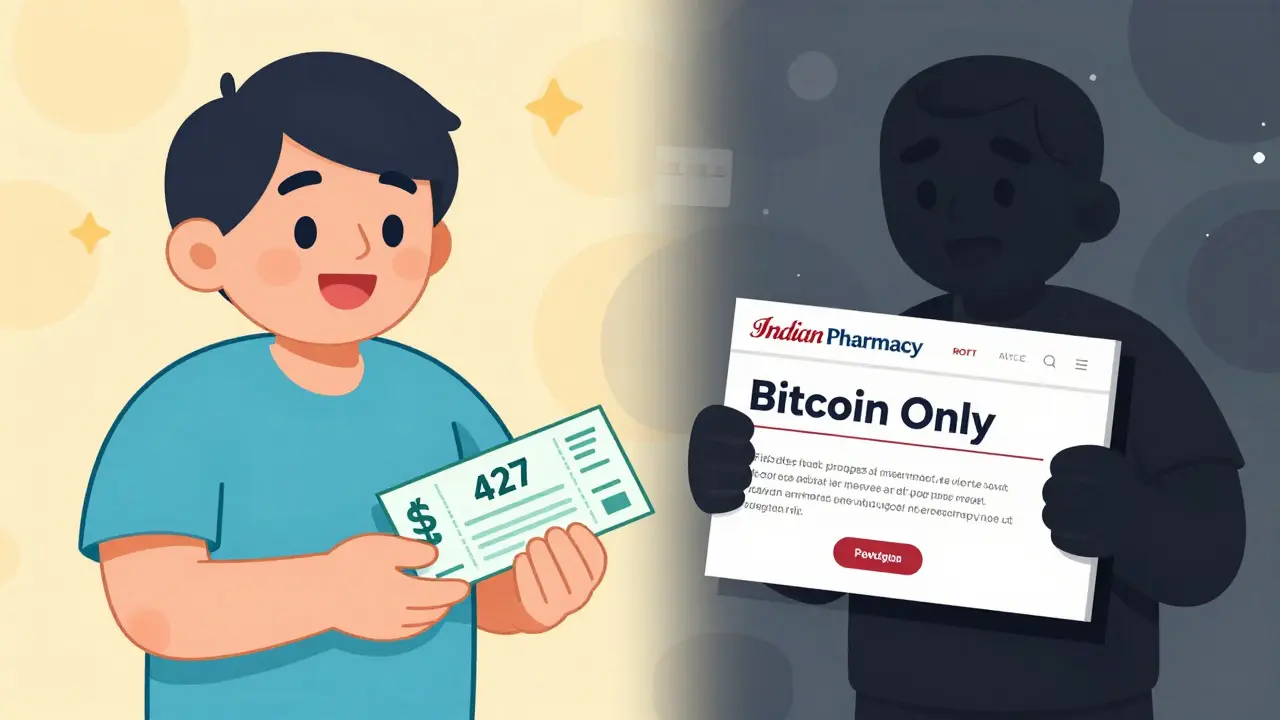
Some U.S. states are making this easier. Florida’s Canadian Drug Importation Program, launched in January 2024, has saved patients an average of $427 per prescription. Vermont’s program saved $389 per script. Maryland just got approval too, with an estimated $150 million in annual savings.
What You’ll Save (And What You Won’t)
Let’s get real about savings. If you’re on a common generic like:
- Atorvastatin (10mg): U.S. price = $120/month → Canada = $28/month → Savings: 77%
- Metformin (500mg): U.S. = $90/month → UK = $18/month → Savings: 80%
- Levothyroxine (50mcg): U.S. = $110/month → Mexico = $22/month → Savings: 80%
- Fluoxetine (20mg): U.S. = $150/month → Canada = $45/month → Savings: 70%
That’s not a typo. You’re talking about saving hundreds, sometimes over a thousand dollars a year. But here’s what you won’t save:
- Time. Shipping takes 7-14 business days. Sometimes longer.
- Convenience. No walk-in refills. No pharmacist to ask questions.
- Peace of mind. You can’t return a pill. If it’s wrong, you’re stuck.
A 2023 FDA survey found that 68% of Americans who tried buying abroad succeeded-but 32% ran into problems: seized packages, counterfeit pills, or delayed meds that disrupted treatment.
Legal Gray Areas and What’s Changing
Technically, importing prescription drugs from abroad is illegal under U.S. law. But the FDA uses "enforcement discretion." That means they usually don’t go after individuals bringing in a 90-day supply for personal use.
But that’s changing. The FDA has issued 142 warning letters to websites selling unapproved drugs since 2022. And PhRMA, the big pharma lobby, is fighting state importation programs in court. Minnesota’s program was blocked in April 2024.
On the flip side, Congress is looking at the International Prescription Drug Price Transparency Act (H.R. 2347), which would create a federal system to verify safe international pharmacies. The Congressional Budget Office estimates it could save $12.7 billion over ten years.
It’s clear: the system is cracking. More states are testing importation. More people are asking for alternatives. But until there’s a federal solution, you’re on your own.
What Should You Do?
If you’re struggling to afford your meds:
- Ask your doctor about patient assistance programs. Many drugmakers offer free or low-cost generics.
- Check GoodRx, SingleCare, or RxSaver. They often beat pharmacy prices.
- If you live near Canada, try a verified Canadian pharmacy. Many have U.S. customer service lines.
- Never buy from a site that doesn’t require a prescription or that asks for Bitcoin.
- If you do buy overseas, stick to accredited pharmacies, keep your prescription handy, and track your package.
The truth? You can save serious money buying generics abroad. But the risks are real. It’s not about being a rebel. It’s about being smart. And right now, the safest path isn’t a border-it’s your doctor, your pharmacist, and a little research.
Is it legal to buy prescription drugs from Canada?
Technically, U.S. law bans importing prescription drugs. But the FDA rarely enforces this against individuals bringing in a 90-day supply for personal use. Many Americans buy from Canadian pharmacies with VIPPS certification, and the FDA has not pursued legal action against these users. However, it remains a legal gray area.
Are generics from India safe?
Some Indian generics are safe and FDA-approved. Many U.S. pharmacies source ingredients from India. But buying directly from Indian websites carries high risk. Over 89% of counterfeit drugs seized by the FDA come from India and China. Without proper oversight, you could get pills with wrong dosage, no active ingredient, or toxic fillers.
Can I get my U.S. prescription filled overseas?
Yes-if you use a verified international pharmacy that accepts U.S. prescriptions. Accredited pharmacies (like those with VIPPS certification) will contact your doctor for verification. Never send your prescription to an unverified website. They may not be legitimate, and your personal health data could be stolen.
Do international pharmacies ship to the U.S.?
Yes, most accredited international pharmacies ship to the U.S. But shipments can be delayed by customs, especially if they exceed $800 in value. Some packages are seized. Always choose a pharmacy that provides tracking and communicates clearly about customs.
How do I know if a pharmacy is legitimate?
Look for the VIPPS seal from the National Association of Boards of Pharmacy. Only 63 international pharmacies had this certification as of July 2024. Also check if the pharmacy requires a valid U.S. prescription, has a physical address, offers pharmacist consultation, and uses secure payment methods. Avoid sites that sell without prescriptions or offer "too good to be true" discounts.

Marie Fontaine
I saved $800 last year buying my metformin from Canada. Worth the wait. 🙌 No drama, just pills and peace of mind.
Tatiana Barbosa
PBMs are the real villains here. They negotiate bulk discounts but pocket the difference. Patients never see a penny. Meanwhile, insulin costs $120 in the U.S. and $15 in Canada. It’s not a market failure-it’s a systemic betrayal. We need structural reform, not Band-Aids.
Susan Kwan
Oh wow, so the solution to America’s healthcare crisis is… buying pills off the internet? Brilliant. Next you’ll tell me we should outsource our heart surgeries to TikTok surgeons. 🤡
Random Guy
I ordered fluoxetine from India. Got 12 pills that looked like they were made in a garage with glitter and hope. Took one. Felt like my brain got a 3am text from an ex. Never again. But hey, at least I saved $140. #worthit
Tasha Lake
The FDA’s 15.7% counterfeit seizure rate is alarming, but it’s also a symptom of regulatory capture. The same agencies that regulate pharma are lobbied by the same pharma companies. It’s a closed loop. We need independent oversight-not more bureaucracy.
Brett Pouser
As someone who’s lived in five countries, I can tell you: the U.S. is the outlier. Canada, Germany, Australia-they all have sane drug pricing. We’re not special. We’re just being exploited. It’s not about patriotism. It’s about economics. And capitalism, when left unchecked, eats its own children.
Andrew Jackson
The Constitution does not guarantee access to pharmaceuticals. It guarantees life, liberty, and the pursuit of happiness-not a subsidized pharmacy. If you can’t afford your medication, perhaps you should have planned better. Or worked harder. Or not had children. The market is not a moral actor.
Joseph Charles Colin
From a pharmacovigilance standpoint, temperature excursions during transit are a critical failure point. For biologics like insulin or monoclonal antibodies, even a 2°C deviation can denature the protein. The FDA’s 20-25% shipment failure rate isn’t anecdotal-it’s validated by IATA data. Always verify cold-chain compliance if you’re importing.
John Sonnenberg
I tried buying my atorvastatin from Mexico. The pharmacy sent me a box. No label. No instructions. Just a plastic bag with 30 pills that looked like they were painted by a toddler. I called the FDA. They said, ‘We’re too busy.’ So I called my congressman. He didn’t return my call. Now I’m on a waiting list for a clinical trial. Thanks, America.
PAUL MCQUEEN
So… you’re saying we should just ignore U.S. law and buy drugs from random websites? That’s not innovation. That’s laziness. Why not just steal them? At least then you’d be consistent.