Certain herbal supplements like St. John’s wort, grapefruit, and activated charcoal can reduce birth control effectiveness. Learn which ones are risky, which are safe, and what steps to take to protect yourself.
Read more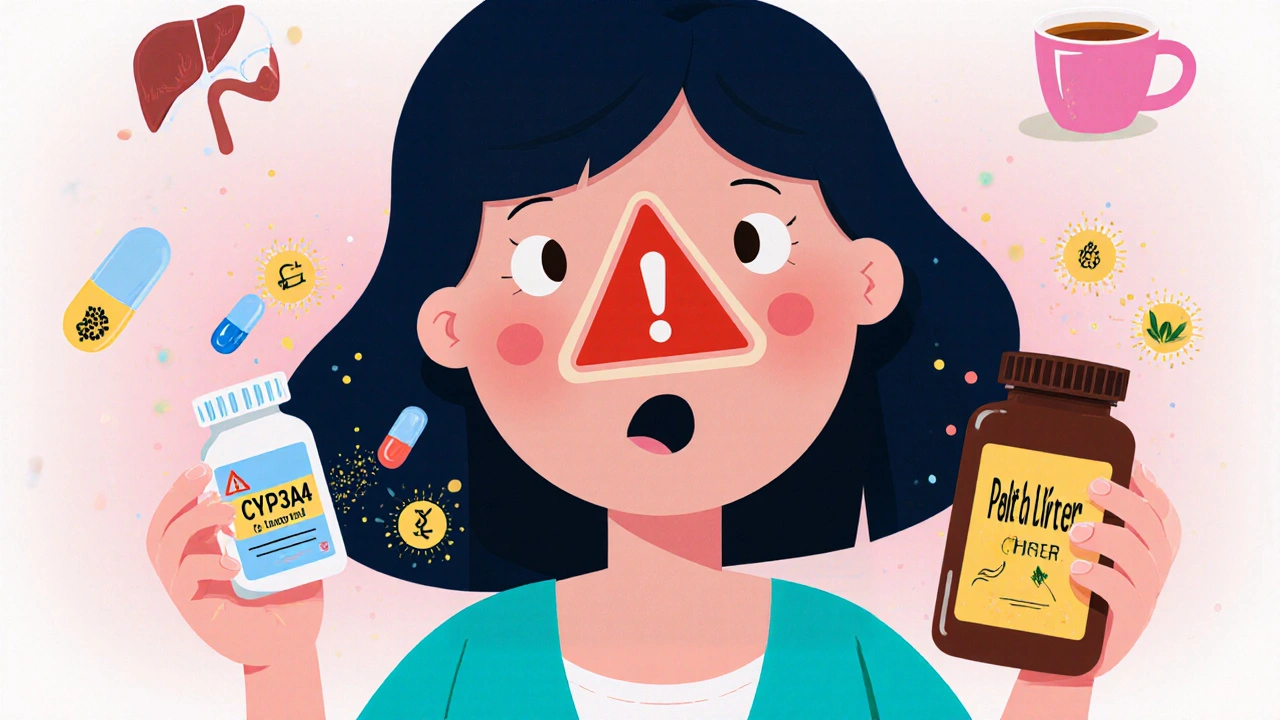
When you grab a supplement and pill safety, the practice of using vitamins, herbs, and medications without causing harm. Also known as medication safety, it’s not about avoiding pills—it’s about knowing which ones play nice together and which ones can quietly hurt you. Most people think if it’s sold over the counter or labeled "natural," it’s safe. That’s a dangerous myth. A 2023 study in the Journal of the American Medical Association found that over 230,000 emergency room visits each year in the U.S. are linked to supplement interactions—many from people who never told their doctor they were taking them.
Take statin interactions, how certain drugs and supplements can trigger dangerous muscle damage when combined with cholesterol-lowering pills. If you’re on a statin and also taking red yeast rice, grapefruit juice, or even high-dose niacin, you’re increasing your risk of rhabdomyolysis—a condition that can fry your kidneys. Or consider chemotherapy drug interactions, how common supplements like antioxidants or herbal teas can block cancer drugs from working. Some patients think boosting their immune system with echinacea or vitamin C helps during chemo. It might actually make the treatment useless.
Then there’s the issue of timing and labels. beyond-use date, the date after which a pharmacy-compounded medication is no longer guaranteed safe or effective isn’t the same as the manufacturer’s expiration date. Taking a pill past its beyond-use date might not kill you—but it might not work either. And if you’re using steroid eye drops for months because the redness didn’t go away, you could be silently building glaucoma. These aren’t edge cases. They’re everyday mistakes.
You don’t need to avoid supplements. You need to know what’s in them, what they’re mixed with, and who told you to take them. A lot of the advice people follow comes from Instagram influencers or forums—not doctors or peer-reviewed science. The truth is, most supplements don’t have the same testing standards as prescription drugs. That’s not a flaw in the system—it’s how the system was designed. And it’s why you have to be your own first line of defense.
Below, you’ll find real, practical guides on what to watch for when mixing pills, how to spot dangerous interactions, when to question a pharmacy’s advice, and which supplements actually carry hidden risks. These aren’t theoretical warnings. They’re based on cases real people have lived through—and sometimes, barely survived.
Certain herbal supplements like St. John’s wort, grapefruit, and activated charcoal can reduce birth control effectiveness. Learn which ones are risky, which are safe, and what steps to take to protect yourself.
Read more