Pain catastrophizing makes pain worse by amplifying fear and helplessness. CBT tools like thought tracking, cognitive restructuring, and behavioral activation can reduce distress and improve function - even when pain doesn't go away.
Read more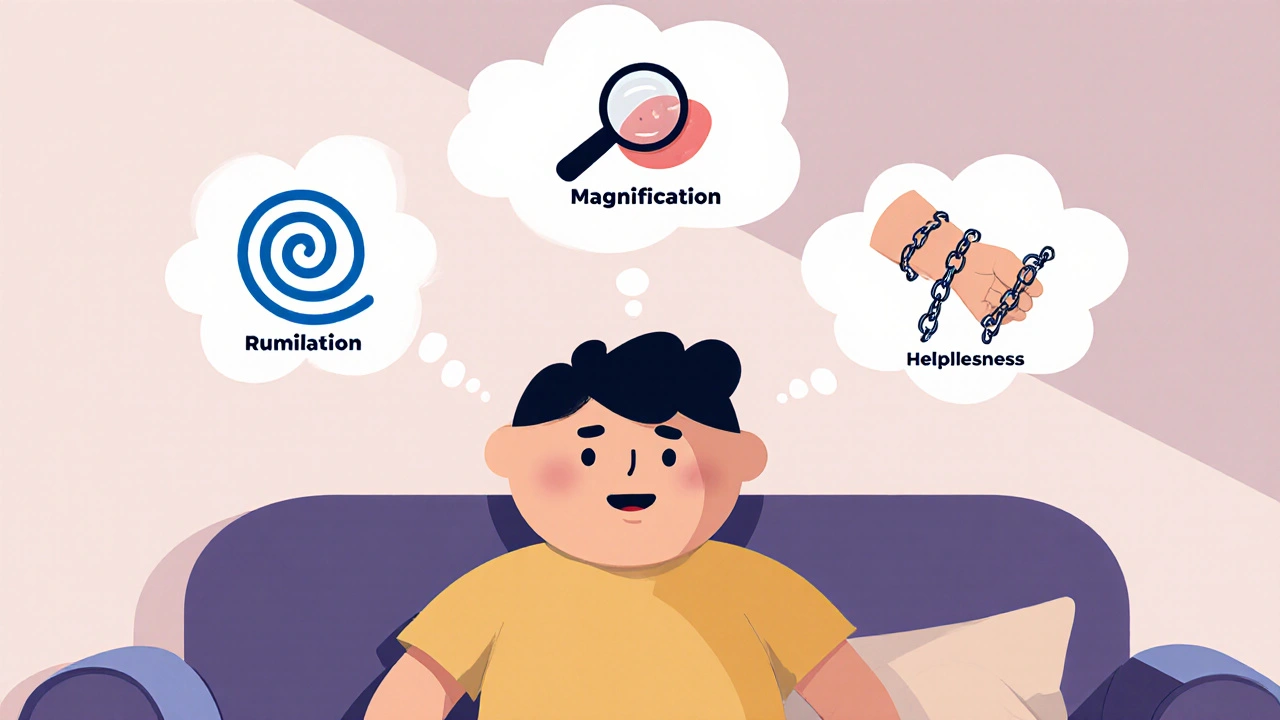
When you're dealing with ongoing pain, it's not just your body that suffers—it's your sleep, your mood, your ability to work, and even your relationships. Pain distress reduction, the process of lessening the physical and emotional burden of persistent discomfort. Also known as chronic pain management, it’s not about eliminating pain entirely, but about regaining control so it doesn’t run your life. Many people jump straight to pills, but the most effective approaches often combine simple, low-cost habits with smart medication use—especially when you’re trying to avoid opioids or expensive brand-name drugs.
Inflammation control, a key factor in many types of long-term pain like arthritis, back issues, and nerve damage. Reducing inflammation doesn’t always mean popping NSAIDs. Simple changes—like eating more omega-3s, staying hydrated, or even walking 20 minutes a day—can make a measurable difference. And when you pair that with non-opioid pain relief, options like topical creams, nerve-targeted therapies, or even certain supplements shown in studies to help with muscle and joint discomfort., you’re building a layered defense that’s safer and often more sustainable than relying on one strong pill.
What you’ll find in the posts below isn’t theory—it’s real advice from people who’ve been there. You’ll see how generic pain relievers like acetaminophen can be used safely long-term, how certain antibiotics like minocycline help with inflammation beyond just infections, and how medications for conditions like psoriatic arthritis or rheumatoid arthritis are designed to tackle pain at its source. You’ll also learn how to spot when a pain relief method is working—or when it’s hiding bigger problems, like steroid eye drops causing glaucoma or statins triggering muscle pain. There’s no magic bullet, but there are plenty of smart, affordable ways to reduce pain distress without draining your wallet or risking your health.
Whether you’re managing joint pain, nerve discomfort, or inflammation from an autoimmune condition, the goal isn’t to suffer in silence—it’s to find what works for your body, your budget, and your life. The posts here cut through the noise and give you straight answers on what’s safe, what’s effective, and what’s just marketing.
Pain catastrophizing makes pain worse by amplifying fear and helplessness. CBT tools like thought tracking, cognitive restructuring, and behavioral activation can reduce distress and improve function - even when pain doesn't go away.
Read more