MIGS: Understanding Medication Errors, Generic Drugs, and Safe Treatment Choices
When we talk about MIGS, Medication Errors, Generic Drugs, and Safe treatment choices. Also known as Medication Error and Generic Drug Safety, it is the practical framework used by pharmacists, doctors, and patients to reduce harm and improve access to affordable treatments. MIGS isn’t a drug or a brand—it’s the daily reality of getting the right medicine, at the right dose, without mistakes. Think about it: every year, thousands end up in hospitals not because their condition got worse, but because someone gave them the wrong pill, the wrong dose, or a drug that clashed with something else they were taking. That’s a medication error. And it’s preventable.
Behind every safe medication is a system built on science and regulation. The Hatch-Waxman Amendments, a 1984 law that created the modern generic drug approval process made it possible for cheaper versions of brand-name drugs to reach the market without repeating expensive clinical trials. But here’s the catch: for generics to be safe, they must match the original in how the body absorbs them. That’s where bioequivalence studies, rigorous tests that prove generic drugs perform the same as brand-name versions come in. The FDA doesn’t just accept claims—it demands proof using strict rules like the 80/125 absorption range. Without this, you’d have no way to know if that cheap pill actually works the same as the expensive one.
But even when the drug is right, how you take it matters. Swallowing difficulties, interactions with food, or mixing supplements with birth control can all turn a safe treatment into a risk. drug interactions, when one medication changes how another works in your body are one of the biggest hidden dangers—especially with common drugs like statins, antidepressants, or pain relievers. And when you’re dealing with chronic conditions like MS, bipolar disorder, or diabetes, a small mistake can mean a big setback. That’s why MIGS isn’t just about pills—it’s about awareness. It’s knowing when to ask your pharmacist about expiration dates, when to question a new prescription, or when to speak up if you can’t swallow your meds.
The posts below dive into exactly these real-world problems. You’ll find clear guides on how hospitals are cutting medication errors with barcode systems, why some generics fail despite FDA approval, and how to spot dangerous interactions between your supplements and prescriptions. There’s no fluff here—just facts you can use to protect yourself, your family, or your patients. Whether you’re managing a chronic illness, helping an aging parent, or just trying to save money on meds, MIGS gives you the tools to make smarter, safer choices.
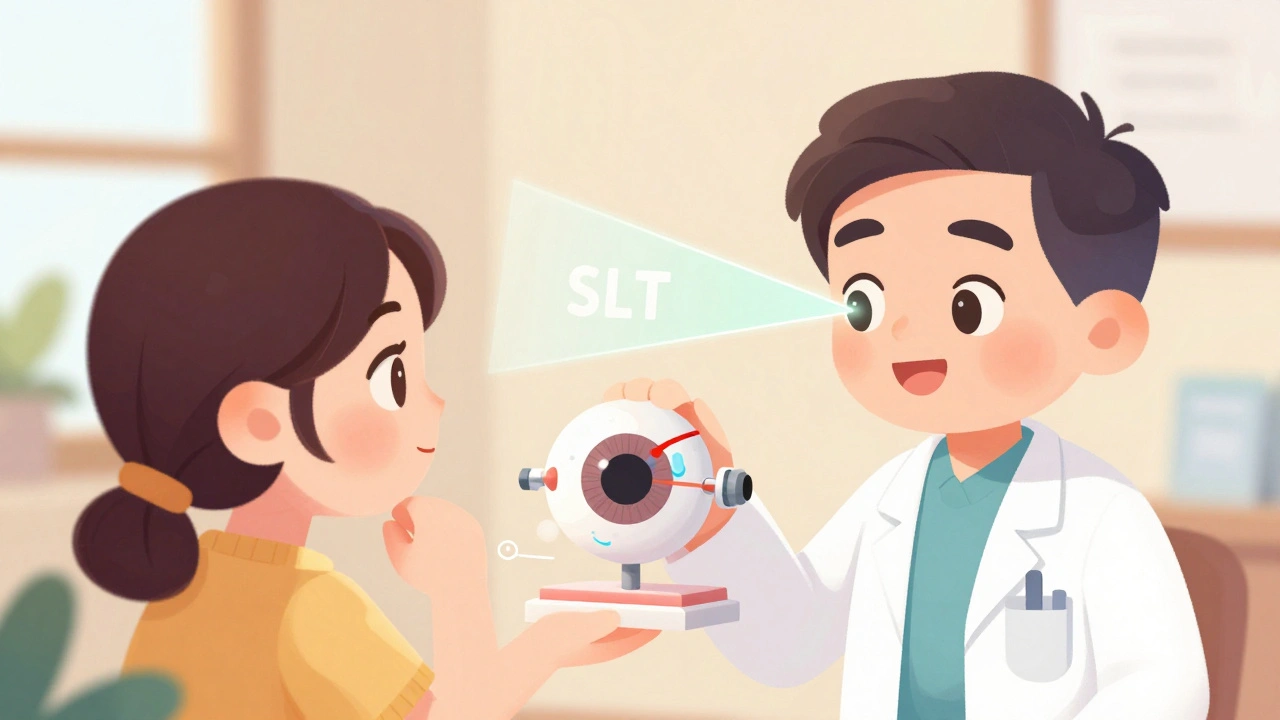
Trabeculectomy and MIGS are two main glaucoma surgeries that lower eye pressure to prevent vision loss. Trabeculectomy works better for advanced cases but has higher risks. MIGS is safer and faster, ideal for early to moderate glaucoma. SLT laser is now the first-line treatment.
Read more