Swallowing difficulties make it hard to take medicine, but crushing pills can be dangerous. Learn safe alternatives like liquid forms, dissolvable tablets, swallowing techniques, and how to work with your care team to stay on track.
Read more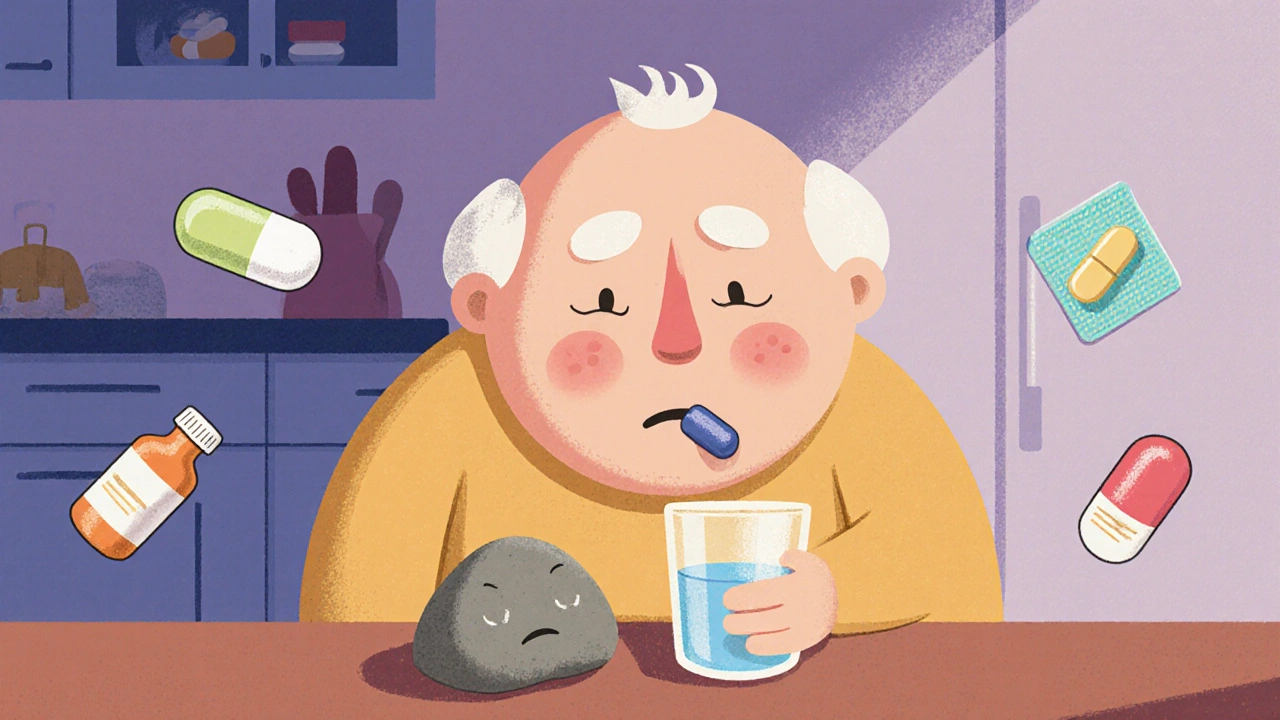
When you need medicine but can’t swallow a pill, liquid medication, a form of drug delivered in solution, suspension, or syrup for easier intake. Also known as oral liquids, it’s not just for kids—it’s a lifeline for older adults, people with swallowing disorders, and those needing precise doses. Unlike pills, liquid forms bypass the need for dissolution in the stomach, letting the drug enter your system faster. That speed matters when you’re treating fever in a toddler or adjusting insulin levels in someone with diabetes.
Not all liquids are created equal. Some are suspensions, mixtures where active ingredients don’t fully dissolve and must be shaken before use, like certain antibiotics. Others are solutions, clear liquids where the drug is fully dissolved, like liquid thyroid meds. The difference affects how well your body absorbs the drug—something bioequivalence, the measure of whether a generic liquid matches the brand-name version in how fast and fully it’s absorbed is designed to confirm. The FDA requires this testing for generics, but even small changes in flavoring or preservatives can alter how your body handles the dose.
Why does this matter? Because if your liquid medication isn’t absorbed properly, it won’t work—no matter how much you take. That’s why drug absorption, how quickly and completely a medicine enters your bloodstream is critical. Food can change it. Time of day can change it. Even how you store the bottle matters. Some liquids lose potency if left unrefrigerated; others break down if exposed to light. And if you’re giving it to a child, getting the right dose isn’t just about the syringe—it’s about knowing whether the pharmacy’s beyond-use date matches the manufacturer’s expiration.
Many of the posts below dive into exactly these real-world issues: how generic versions of liquid drugs stack up, why some people get different results even with the same prescription, and how factors like fasting or taking meds with food can make or break effectiveness. You’ll find guides on comparing dosing tools, avoiding common mistakes with syringes and cups, and understanding why your doctor might switch you from a pill to a liquid—even if you’ve never had trouble swallowing tablets.
Whether you’re managing chronic pain with liquid NSAIDs, giving your child liquid antibiotics, or adjusting insulin with a liquid form, knowing how your medicine behaves in your body isn’t optional—it’s essential. The articles here cut through the noise. They don’t just tell you what to do. They explain why it matters, so you can make smarter choices without guessing.
Swallowing difficulties make it hard to take medicine, but crushing pills can be dangerous. Learn safe alternatives like liquid forms, dissolvable tablets, swallowing techniques, and how to work with your care team to stay on track.
Read more