Certain herbal supplements like St. John’s wort, grapefruit, and activated charcoal can reduce birth control effectiveness. Learn which ones are risky, which are safe, and what steps to take to protect yourself.
Read more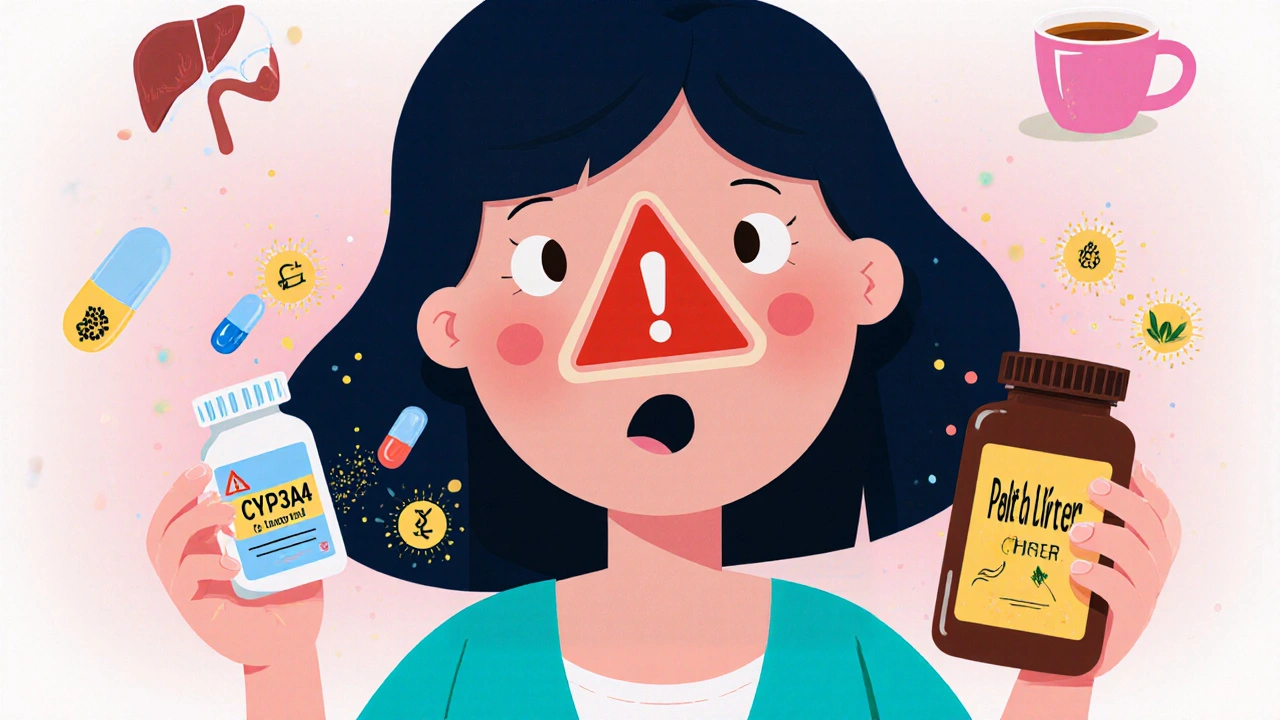
When you hear herbal supplements, natural products made from plants used to support health or treat conditions. Also known as botanicals, they’re sold as pills, teas, or tinctures and marketed for everything from sleep to stress to immune support. But here’s the truth: just because something comes from a plant doesn’t mean it’s safe—or even helpful. Many people assume herbal supplements are harmless because they’re "natural," but that’s a dangerous myth. Some can mess with your prescription drugs, damage your liver, or do nothing at all.
Take St. John’s Wort, a herb often used for mild depression. It might help a little for low mood, but it can knock out the effectiveness of birth control, blood thinners, and even antidepressants like Lexapro. Then there’s kava, a root used for anxiety. It’s been linked to serious liver damage, and it’s banned in some countries. Even something as simple as echinacea, a common cold remedy—studies show it doesn’t prevent colds, and it might trigger allergies in people sensitive to ragweed.
And here’s the real issue: herbal supplements aren’t regulated like prescription drugs. The FDA doesn’t test them for safety or effectiveness before they hit shelves. That means what’s on the label isn’t always what’s inside. Some products contain hidden drugs, others have no active ingredient at all. If you’re taking blood pressure meds like amlodipine, cholesterol drugs like statins, or cancer treatments, mixing in herbs without talking to your doctor is playing Russian roulette with your health.
So what should you do? First, don’t assume herbal means safe. Second, check if your meds have known interactions—many of the posts here cover exactly that, from statin myopathy risks to chemo drug clashes. Third, if you’re thinking about trying something, look for brands that have been tested by third parties like USP or NSF. And always, always tell your doctor what you’re taking. They’ve seen the bad outcomes. They can help you avoid them.
Below, you’ll find real, practical posts that cut through the noise. You’ll see how herbal supplements can interfere with cancer treatment, why some people end up in the ER after mixing them with prescription drugs, and what alternatives actually have science behind them. No fluff. No hype. Just what you need to know to protect your health while using natural products wisely.
Certain herbal supplements like St. John’s wort, grapefruit, and activated charcoal can reduce birth control effectiveness. Learn which ones are risky, which are safe, and what steps to take to protect yourself.
Read more