Glaucoma Surgery: What It Is, How It Works, and What to Expect
When your glaucoma surgery, a medical procedure designed to lower intraocular pressure and prevent vision loss from glaucoma. It's not a cure, but it's often the best way to stop damage when eye drops and pills aren't enough. Glaucoma doesn't hurt. That's why it sneaks up on you—damage to the optic nerve happens slowly, and by the time you notice blurry vision or blind spots, it's often too late. Surgery stops that progression by helping fluid drain better from your eye, reducing the pressure that crushes your vision over time.
There are several types of glaucoma surgery, procedures aimed at improving fluid drainage or reducing fluid production in the eye. trabeculectomy is one of the most common. It creates a new exit path for fluid, letting it leak out under the eyelid where it's absorbed. Laser procedures like SLT (selective laser trabeculoplasty) are less invasive—they use light to open up drainage channels without cutting. Then there are newer devices like iStent or XEN Gel Stent, tiny implants that keep a channel open. Each has pros and cons, and your doctor picks based on your eye pressure, type of glaucoma, and whether you've tried other treatments.
But here's the catch: steroid eye drops, anti-inflammatory drops often used after eye surgery to reduce swelling can actually raise eye pressure again. That's right—the very meds that help your eye heal can undo the surgery’s work. That’s why doctors monitor pressure closely after surgery, especially if you're on long-term steroids. If pressure spikes, you might need another procedure, or even a different kind of surgery. This isn't rare—it's a known risk, and it's why follow-ups aren't optional.
People often think surgery means a quick fix. It’s not. Recovery takes weeks. You’ll need to avoid bending over, heavy lifting, and rubbing your eye. You’ll still use eye drops—just different ones. And you’ll still need regular checkups. Glaucoma doesn’t go away. Surgery just gives you a better chance to hold onto your vision longer. If you’ve been on medication for years and your pressure won’t budge, or if you can’t tolerate the side effects, surgery might be the next step. It’s not about fear—it’s about control. You’re not giving up on pills. You’re adding a tool that works where pills can’t.
What you’ll find below are real, practical posts that dig into what happens before, during, and after glaucoma surgery. You’ll see how steroid eye drops can backfire, why some patients need multiple procedures, and how generic drugs play into long-term management. These aren’t theory pieces—they’re based on what patients and doctors actually deal with. Whether you’re considering surgery, just had it, or are helping someone who did, this collection gives you the no-fluff facts you need to ask the right questions and stay ahead of complications.
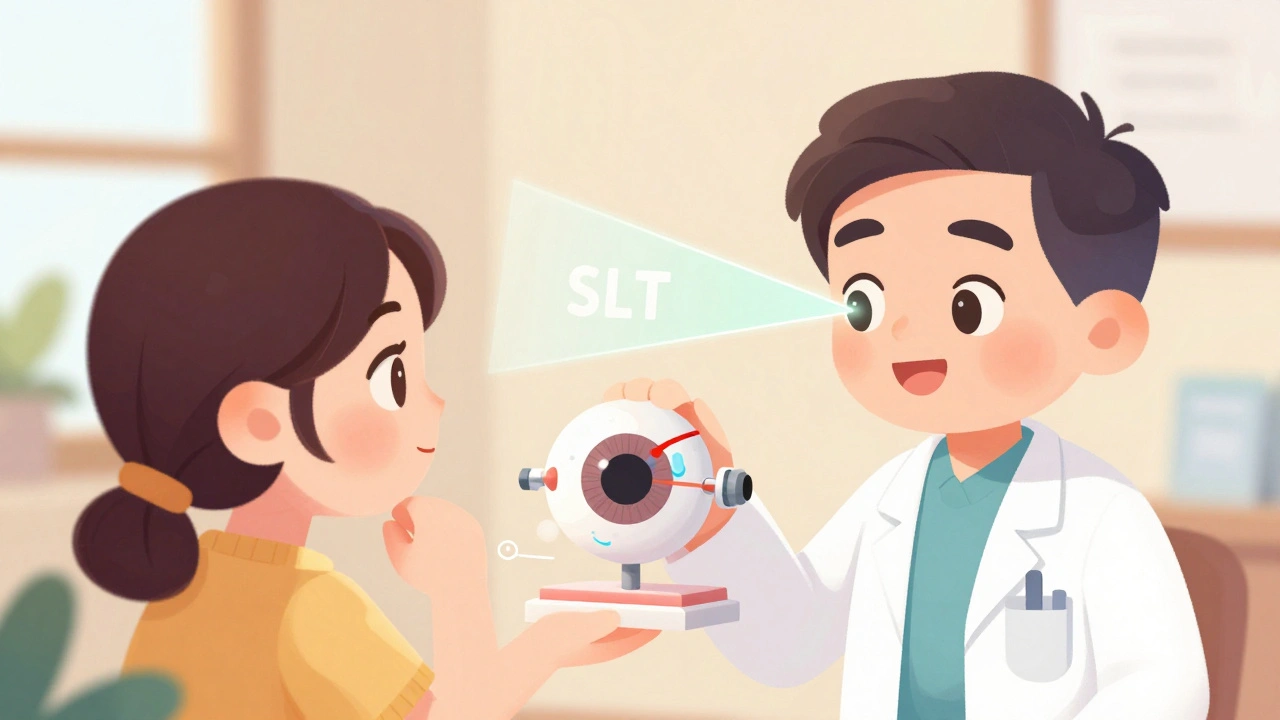
Trabeculectomy and MIGS are two main glaucoma surgeries that lower eye pressure to prevent vision loss. Trabeculectomy works better for advanced cases but has higher risks. MIGS is safer and faster, ideal for early to moderate glaucoma. SLT laser is now the first-line treatment.
Read more