Glaucoma Outcomes: What Affects Vision Loss and How Treatment Makes a Difference
When you hear glaucoma outcomes, the long-term effects of glaucoma on vision and eye health. Also known as progression of optic nerve damage, it isn’t just about pressure in the eye—it’s about whether that pressure leads to permanent vision loss. Not everyone with high intraocular pressure, the fluid pressure inside the eye that, when too high, can damage the optic nerve develops glaucoma, and some people with normal pressure still lose vision. What matters most is how well the optic nerve damage, the irreversible harm to the nerve that sends visual signals from the eye to the brain is caught and controlled before it spreads.
Glaucoma outcomes depend heavily on timing. If you catch it early—before your peripheral vision starts fading—medications like eye drops can slow or stop damage. But if you wait until you notice blurry vision or tunnel vision, the nerve cells are already gone. Some people respond well to one drop, others need multiple, lasers, or even surgery. And here’s the catch: steroid eye drops, anti-inflammatory drops used for conditions like uveitis or allergies that can accidentally raise eye pressure and trigger glaucoma are a silent risk. They’re great for swelling, but if you’re using them long-term without checking your pressure, you could be setting yourself up for irreversible damage. That’s why regular eye exams aren’t optional—they’re your best defense.
It’s not just about the meds you take. Your genetics, age, race, and even how well you stick to your treatment plan all shape your outcome. Someone who forgets drops twice a week is far more likely to lose vision than someone who takes them like clockwork. And while new treatments are emerging, the basics still win: early detection, consistent care, and knowing your own risk. Below, you’ll find real-world guides on how medications work, what side effects to watch for, and how to avoid common mistakes that make glaucoma worse—without the fluff, just what actually helps.
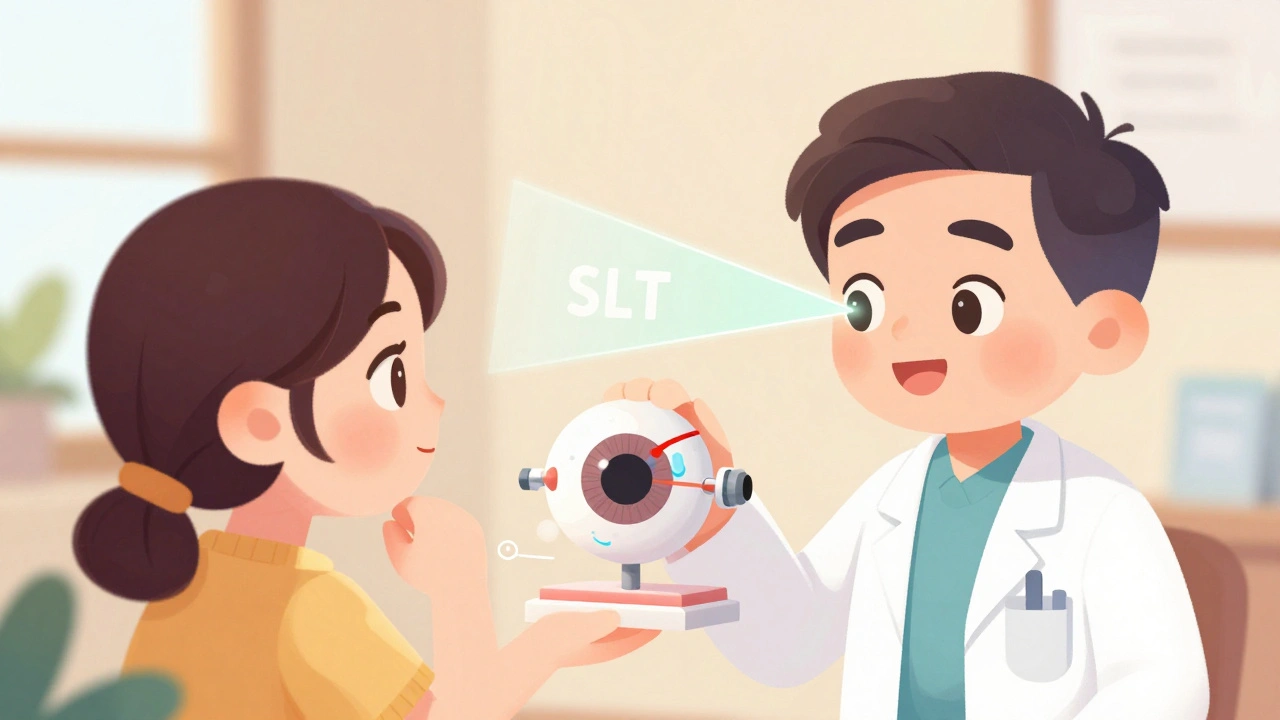
Trabeculectomy and MIGS are two main glaucoma surgeries that lower eye pressure to prevent vision loss. Trabeculectomy works better for advanced cases but has higher risks. MIGS is safer and faster, ideal for early to moderate glaucoma. SLT laser is now the first-line treatment.
Read more