FDA Requirements: What You Need to Know About Drug Approval and Safety
When you take a pill, whether it's a brand-name drug or a cheap generic, you're relying on the FDA requirements, the set of rules the U.S. Food and Drug Administration uses to ensure drugs are safe, effective, and properly labeled. Also known as pharmaceutical regulation, these standards are the reason your medicine doesn’t contain random fillers or hidden toxins. The FDA doesn’t just approve drugs — it checks how they’re made, how they work in your body, and whether they’re truly the same as the original version.
For generic drugs, the key term is bioequivalence, how closely a generic matches the brand-name drug in how it’s absorbed and used by your body. The FDA doesn’t require generics to be identical in color or shape — but they must deliver the same amount of active ingredient at the same rate. Studies show that for most conditions, generics work just as well. But for drugs with narrow therapeutic windows — like warfarin or thyroid meds — even small differences can matter. That’s why the FDA requires strict testing before approving them. And it’s not just about pills. The same rules apply to eye drops, injections, and even topical creams. The agency also watches how drugs are made, where ingredients come from, and whether factories meet clean, consistent standards. This is why some generic drugs disappear from shelves — if the manufacturer fails an inspection, the FDA can pull approval until fixes are made.
Another big part of drug approval process, the multi-step system that tests a drug from lab to pharmacy shelf. It’s not just about proving it works. The FDA looks at side effects, long-term risks, and how it interacts with other drugs or foods. That’s why you see warnings on labels — like grapefruit interfering with statins, or St. John’s wort messing with birth control. The agency doesn’t just react to problems; it sets rules to prevent them. And when new drugs come out — like GLP-1 agonists for weight loss — the FDA demands real-world data, not just short-term trials. This is why some medications take years to get approved, while others get fast-tracked during emergencies.
What you’ll find below is a collection of real, practical stories about how these rules affect you. Some posts show how generic drugs pass FDA tests and still save you hundreds. Others explain why a medication you thought was safe turned out to be risky because of a hidden interaction. You’ll see how expiration dates are set, how supply chain issues break the system, and why some drugs are harder to find than others. These aren’t theory pieces — they’re based on how the FDA requirements actually play out in clinics, pharmacies, and homes. Whether you’re managing a chronic condition, trying to cut costs, or just wondering why your prescription changed — this is the behind-the-scenes info you need.
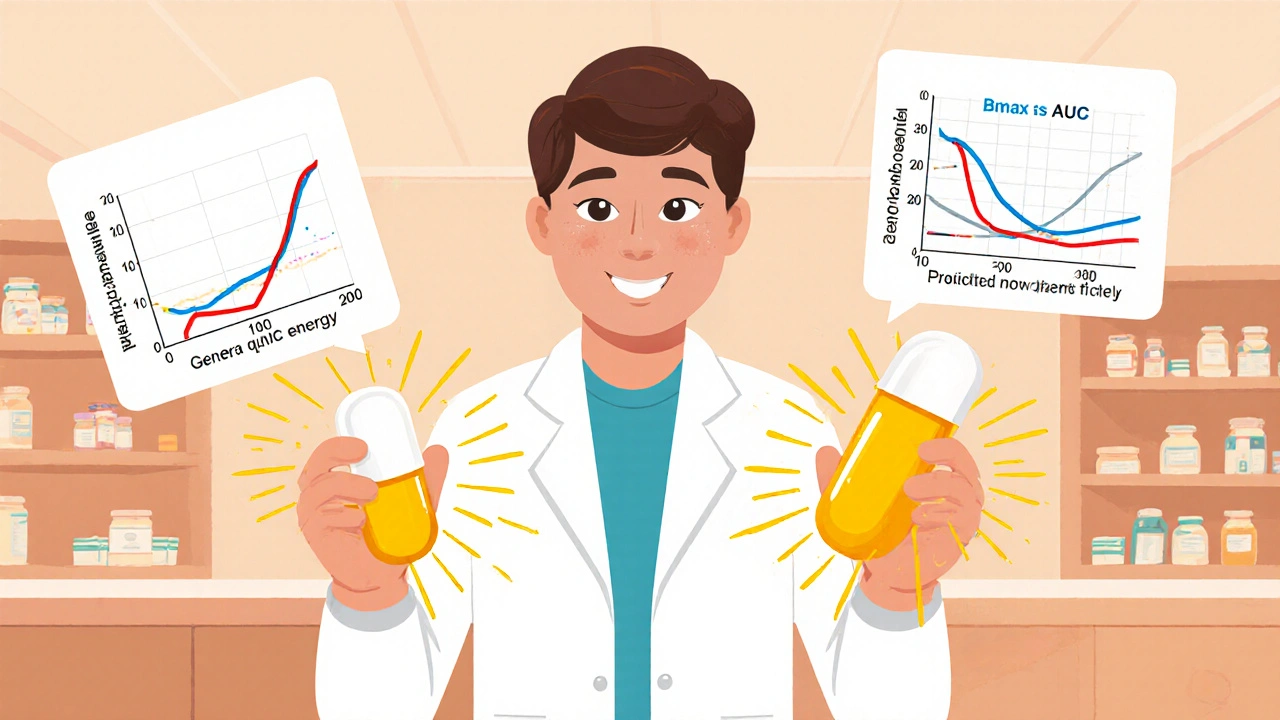
The FDA requires generic drug manufacturers to prove bioequivalence through strict pharmacokinetic studies to ensure their products match the brand-name version in absorption and effectiveness. Learn how the 80/125 rule, biowaivers, and product-specific guidances make generics safe and affordable.
Read more