Certain herbal supplements like St. John’s wort, grapefruit, and activated charcoal can reduce birth control effectiveness. Learn which ones are risky, which are safe, and what steps to take to protect yourself.
Read more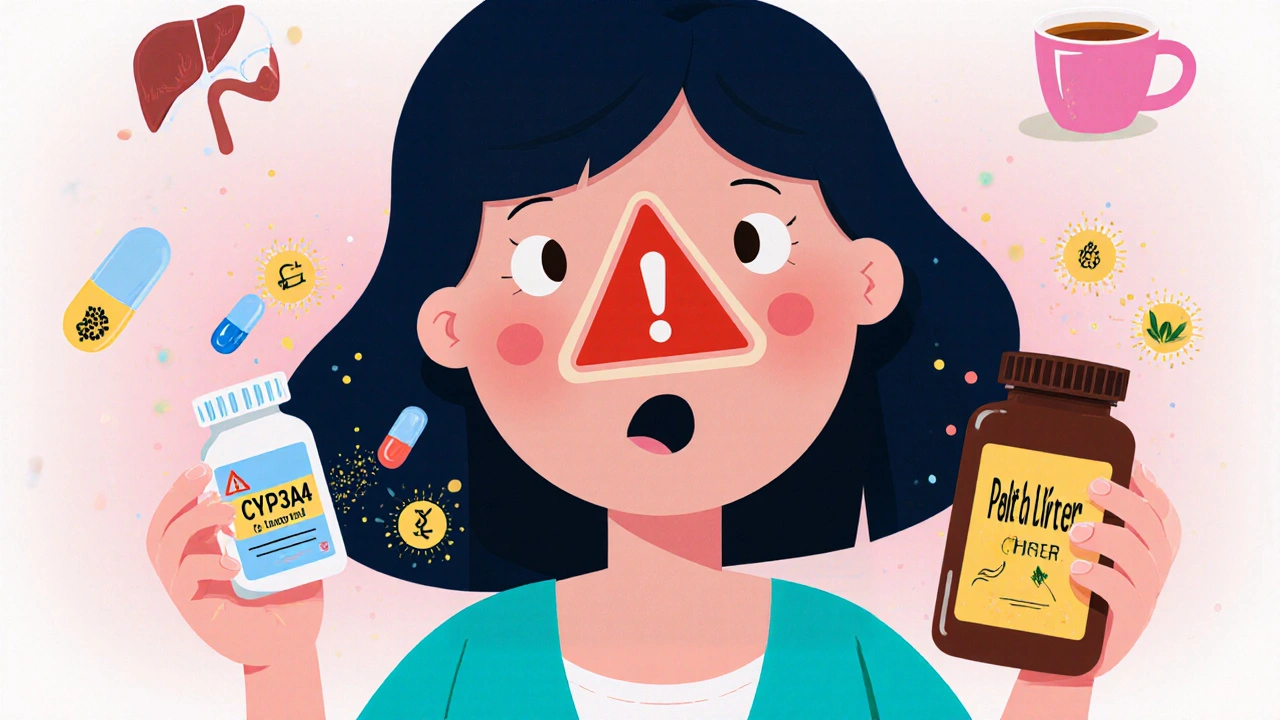
When you take contraceptive interactions, the way birth control medicines react with other drugs, supplements, or even foods. Also known as hormonal contraception interactions, it’s not just about missing a pill—sometimes the medicine you’re taking for something else is quietly making your birth control less effective. This isn’t rare. A lot of common drugs—from antibiotics to seizure meds—can mess with how your body processes estrogen or progestin, the two main hormones in most birth control pills, patches, and rings.
Estrogen interactions, how estrogen-based contraceptives respond to other substances are especially tricky. Some antibiotics like rifampin, antifungal meds like griseofulvin, and even St. John’s wort can speed up how fast your liver breaks down estrogen. That means less hormone stays in your system, and your protection drops. Even some epilepsy drugs like carbamazepine and phenytoin do this. If you’re on any of these, you’re not just at risk for an unintended pregnancy—you might also get breakthrough bleeding or worse side effects.
Progestin interactions, how progestin-only methods react with other treatments are less studied, but they matter too. Certain HIV meds, tuberculosis drugs, and even some herbal supplements can interfere. And if you’re using a progestin-only pill (the mini-pill), timing is everything—even a small drop in hormone levels can mean no protection. Plus, if you’re taking meds for thyroid issues, diabetes, or high blood pressure, those can also shift how your body handles hormones.
It’s not just about pills. Some people don’t realize that weight loss supplements, CBD oil, or even grapefruit juice can change how your body absorbs or processes birth control. And if you’ve got liver disease, kidney problems, or are overweight, your body might handle these hormones differently than someone else’s. That’s why knowing your full medication list—and telling your doctor or pharmacist about every pill, patch, or supplement you take—isn’t optional. It’s essential.
You might think, "I’ve been on the same birth control for years, why does this matter now?" But if you start a new medication—even for a short time—your protection could drop without you knowing. And if you’re using a long-acting method like an IUD or implant, you might assume you’re safe. But even those aren’t totally immune to interactions, especially if you’re on strong liver-metabolized drugs.
What you’ll find below are real, practical breakdowns of how birth control interacts with other drugs—what works, what doesn’t, and what to do when things get complicated. From antibiotics to antidepressants, from cancer meds to thyroid pills, these posts cut through the noise. No fluff. No guesses. Just clear info on what actually changes your protection and how to stay safe.
Certain herbal supplements like St. John’s wort, grapefruit, and activated charcoal can reduce birth control effectiveness. Learn which ones are risky, which are safe, and what steps to take to protect yourself.
Read more