Pain catastrophizing makes pain worse by amplifying fear and helplessness. CBT tools like thought tracking, cognitive restructuring, and behavioral activation can reduce distress and improve function - even when pain doesn't go away.
Read more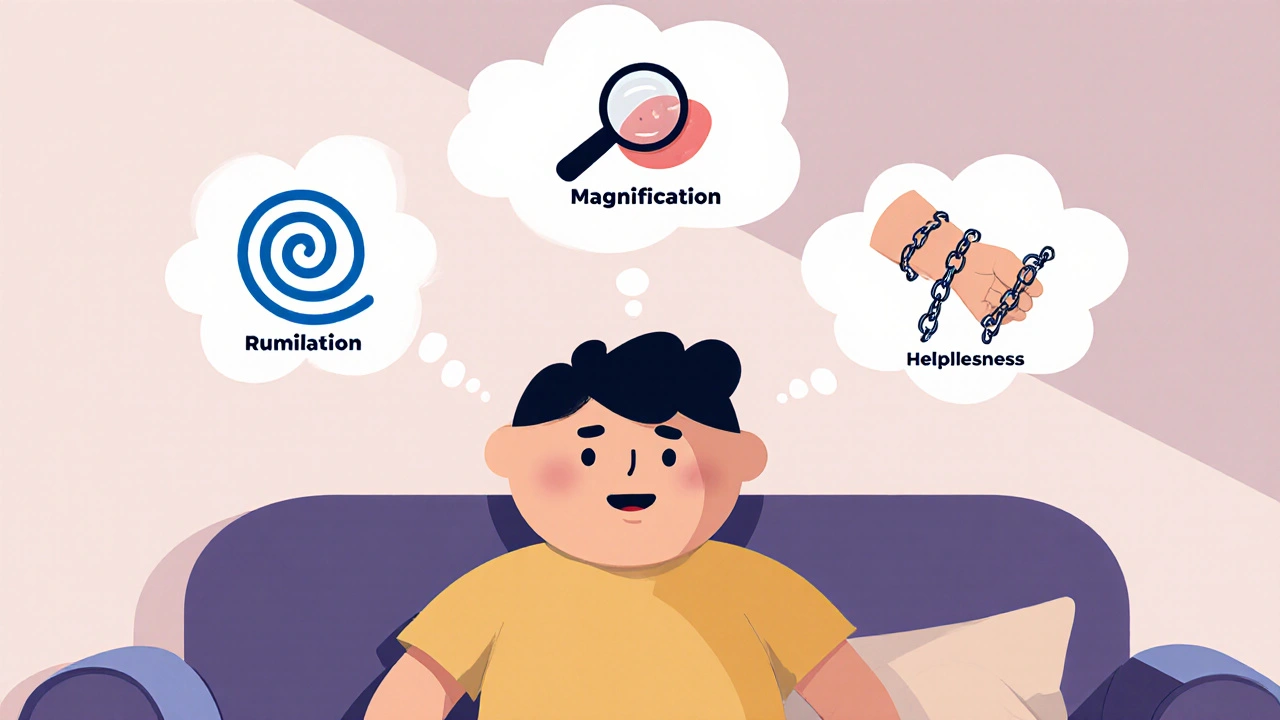
When you live with chronic pain management, the ongoing strategy to reduce persistent pain that lasts beyond normal healing time. Also known as long-term pain control, it’s not just about popping pills—it’s about figuring out what actually works for your body, your budget, and your life. Millions deal with it every day, whether from arthritis, nerve damage, back injuries, or autoimmune conditions like psoriatic arthritis. The goal isn’t to cure it overnight, but to keep it from running your life.
Most people start with over-the-counter options like acetaminophen or NSAIDs, but those don’t work for everyone—and they come with risks if used long-term. That’s where things get real: opioid alternatives, non-addictive medications and therapies that reduce pain without the danger of dependence like gabapentin for nerve pain, or topical capsaicin for joint discomfort. Then there’s anti-inflammatory meds, drugs that target swelling and irritation at the source, often used for conditions like rheumatoid arthritis or chronic back issues. These aren’t just prescriptions—they’re tools, and knowing which ones fit your condition saves money and avoids side effects.
Chronic pain doesn’t happen in a vacuum. It’s tied to sleep, stress, movement, and even what you eat. That’s why some of the most effective strategies aren’t pills at all—they’re bladder training for pelvic pain, physical therapy for spine issues, or even adjusting blood pressure meds like olmesartan/amlodipine that can accidentally worsen muscle aches. And with drug shortages and rising costs, knowing how to spot safe generic options—like comparing expiration dates or choosing between Albenza and cheaper parasite treatments—isn’t just smart, it’s necessary.
You’ll find posts here that cut through the noise. No fluff. No marketing. Just clear talk on what actually helps: how minocycline’s anti-inflammatory side effects might ease joint pain, why steroid eye drops aren’t for every kind of ache, or how statin interactions can accidentally trigger muscle pain that feels like chronic arthritis. You’ll see how antidepressants like Lexapro aren’t just for mood—they’re used off-label for nerve pain. You’ll learn why some people find relief with cheap generics, while others need to understand patent laws to access affordable options. This isn’t theory. It’s what real people are using to get through their days without drowning in bills or side effects.
Pain catastrophizing makes pain worse by amplifying fear and helplessness. CBT tools like thought tracking, cognitive restructuring, and behavioral activation can reduce distress and improve function - even when pain doesn't go away.
Read more