Certain herbal supplements like St. John’s wort, grapefruit, and activated charcoal can reduce birth control effectiveness. Learn which ones are risky, which are safe, and what steps to take to protect yourself.
Read more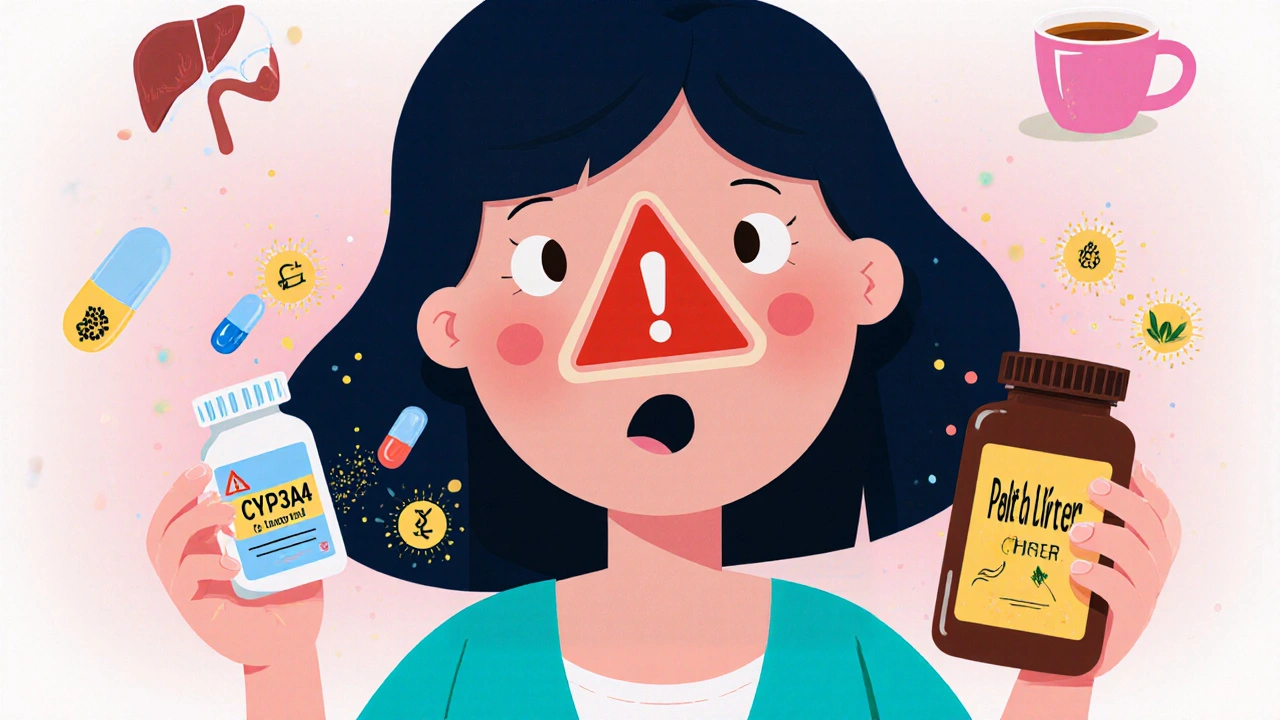
When it comes to birth control effectiveness, how well a method prevents pregnancy under real-life conditions. Also known as contraceptive success rate, it’s not just about the numbers on a chart—it’s about how consistent you are, what type you choose, and whether side effects make it hard to stick with. Many people assume all birth control is equally reliable, but that’s not true. The difference between perfect use and typical use can mean the difference between 99% and 91% effectiveness—and that gap matters when you’re trying to avoid pregnancy.
For example, oral contraceptives, hormonal pills taken daily. Also known as the pill, it is 99% effective if taken exactly as directed. But in real life, people forget. Miss a pill, take it late, or get sick and vomit? That drops effectiveness to about 93%. Compare that to IUDs, small devices inserted in the uterus that last for years. Also known as intrauterine devices, they are over 99% effective no matter what. You don’t have to remember anything. Same goes for implants—tiny rods placed under the skin that work for up to five years with near-perfect results. These methods are less prone to human error, which is why they’re recommended as first-line options by doctors.
Then there’s the hormonal patch, the ring, the shot—each has its own effectiveness curve. The shot, for instance, is 94% effective with typical use, but you have to get it every 12 weeks. Miss the window? Risk goes up. And don’t forget about barrier methods. Condoms are 87% effective on average, but they also protect against STIs, which no pill or IUD does. So effectiveness isn’t just about pregnancy prevention—it’s about your full health goals.
What you choose depends on your lifestyle, body, and priorities. If you’re forgetful, long-acting methods like IUDs or implants are smarter. If you want to stop birth control quickly, pills or the ring might suit you better. And if you’re worried about hormones, non-hormonal options like the copper IUD are just as effective without changing your cycle.
There’s no one-size-fits-all answer. But knowing the facts helps you pick the right tool for your life. Below, you’ll find real comparisons between methods, breakdowns of what affects success rates, and insights from people who’ve been there—so you can make a choice that actually works for you, not just on paper.
Certain herbal supplements like St. John’s wort, grapefruit, and activated charcoal can reduce birth control effectiveness. Learn which ones are risky, which are safe, and what steps to take to protect yourself.
Read more