ANDA Approval: What It Means for Generic Drugs and Your Wallet
When you pick up a generic pill at the pharmacy, it’s likely been cleared through something called ANDA approval, a streamlined process the U.S. Food and Drug Administration uses to approve generic versions of brand-name drugs. Also known as Abbreviated New Drug Application, it’s the backbone of affordable medicine in the U.S. This isn’t just bureaucracy—it’s what lets you pay $4 for a drug that once cost $400. The FDA doesn’t demand new clinical trials for every generic. Instead, they require proof that the generic delivers the same active ingredient, in the same strength, the same way, and works the same way in your body. That’s called bioequivalence, the scientific standard proving a generic matches its brand-name counterpart in how it’s absorbed and used by the body. Without this, generics wouldn’t be trusted—or legal.
But ANDA approval isn’t just about matching chemistry. It’s also about manufacturing. The FDA inspects the factories where generics are made, often overseas, to make sure they follow strict quality rules. This is why some people worry about shortages: if one plant fails an inspection or faces a supply chain hiccup, entire drug categories can vanish from shelves. That’s what happened with sterile injectables and antibiotics in recent years. The generic drug, a lower-cost version of a brand-name medication approved under the Hatch-Waxman Act system works because it’s efficient—but that efficiency depends on a fragile network of suppliers, regulators, and manufacturers. When one part breaks, patients pay the price.
And here’s the thing: ANDA approval doesn’t mean all generics are created equal. For drugs with a narrow therapeutic window—like blood thinners, seizure meds, or thyroid pills—tiny differences in absorption can matter. That’s why some doctors still prefer brand names for these. But for most conditions—high blood pressure, cholesterol, depression, diabetes—generic drugs are just as safe and effective. Clinical studies back this up. The FDA doesn’t approve a generic unless it meets the same standards as the original. What changes is the price. And the packaging. And the color. Not the outcome.
If you’ve ever wondered why your prescription suddenly switched to a different name on the bottle, or why your copay dropped overnight, now you know. It’s ANDA approval at work. It’s not flashy. It’s not marketed. But it’s saving billions every year—and keeping millions of people on their meds. The posts below dig into real-world examples: how generics are tested, when they might not be enough, how supply chains break, and what to look for when you’re buying online. You’ll see how the system works, where it stumbles, and how to make sure you’re getting what you paid for—without overpaying.
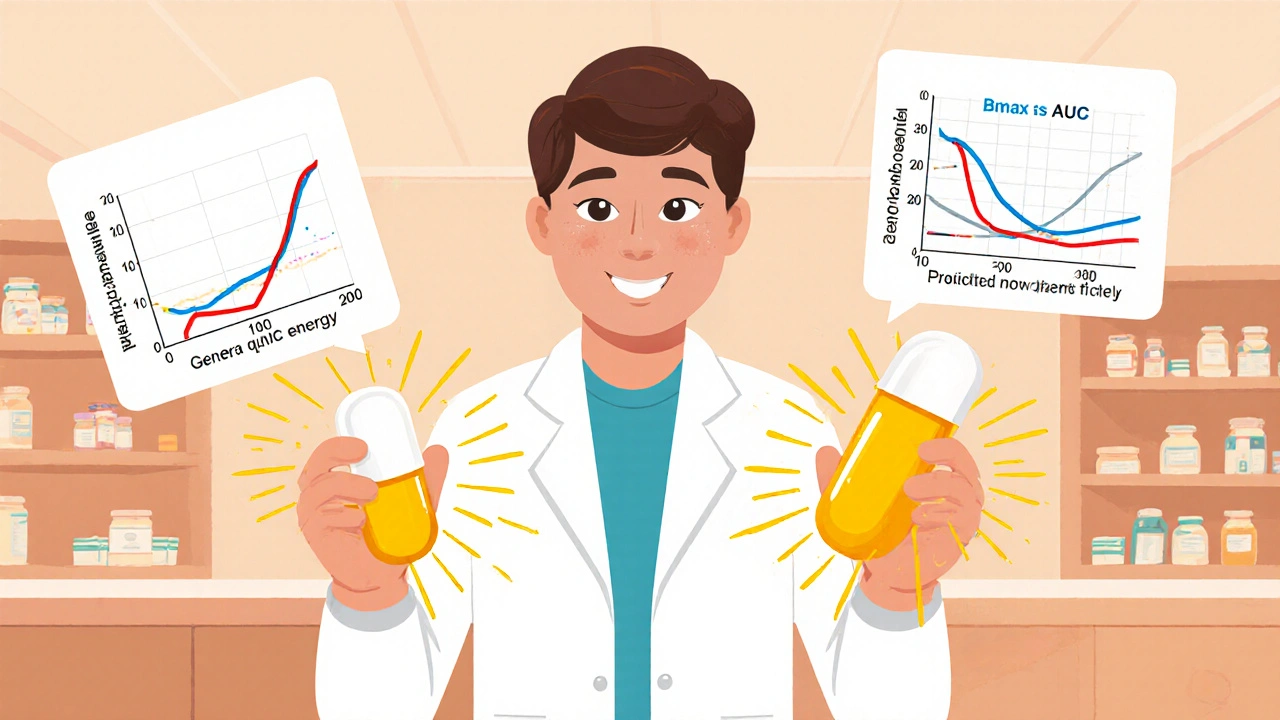
The FDA requires generic drug manufacturers to prove bioequivalence through strict pharmacokinetic studies to ensure their products match the brand-name version in absorption and effectiveness. Learn how the 80/125 rule, biowaivers, and product-specific guidances make generics safe and affordable.
Read more