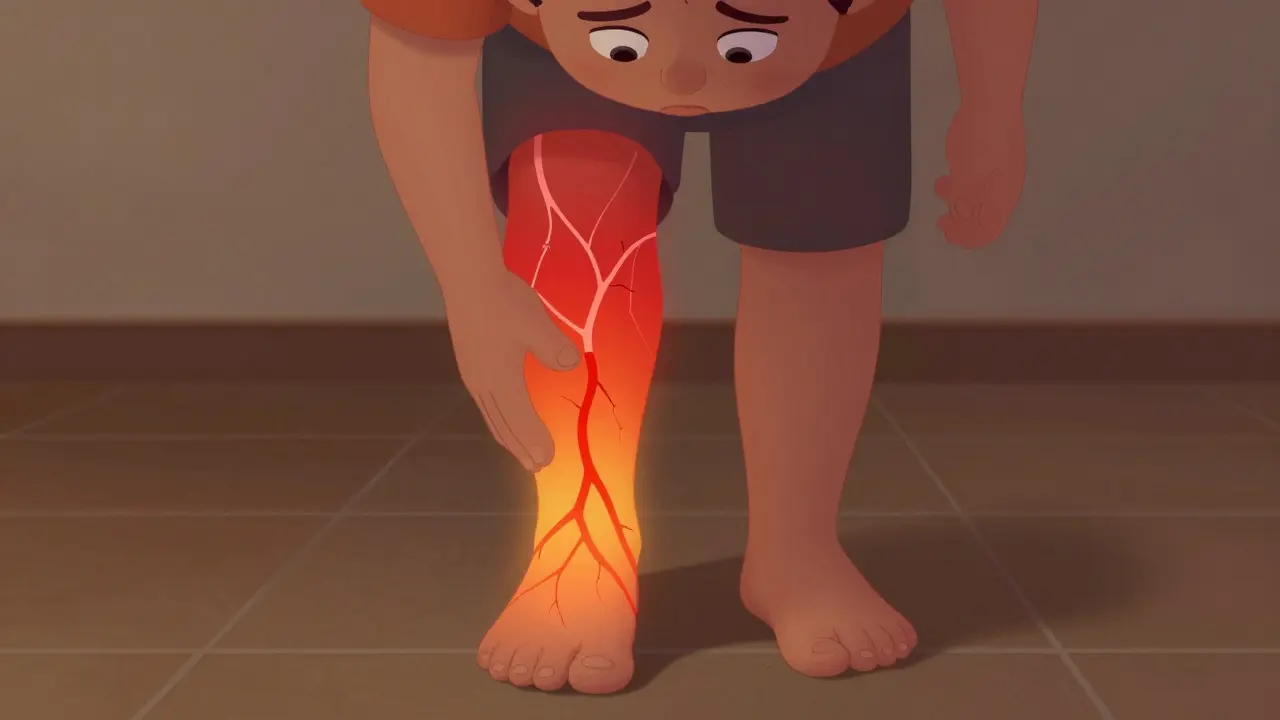
When your feet feel like they’re on fire, or your hands go numb for no reason, it’s not just aging-it could be peripheral neuropathy. This isn’t a single disease, but a group of conditions where nerves outside your brain and spinal cord get damaged. These nerves control everything from feeling your toes to telling your muscles when to move. When they’re hurt, you don’t just feel pain-you lose balance, struggle to walk, and sometimes can’t even tell if your shoe is on wrong.
What Causes Nerve Damage in Peripheral Neuropathy?
The most common cause? Diabetes. About half of all people with diabetes develop some form of nerve damage over time. High blood sugar slowly poisons the nerves, especially in the feet and legs. If your HbA1c stays above 7% for years, your risk jumps dramatically. But diabetes isn’t the only culprit.
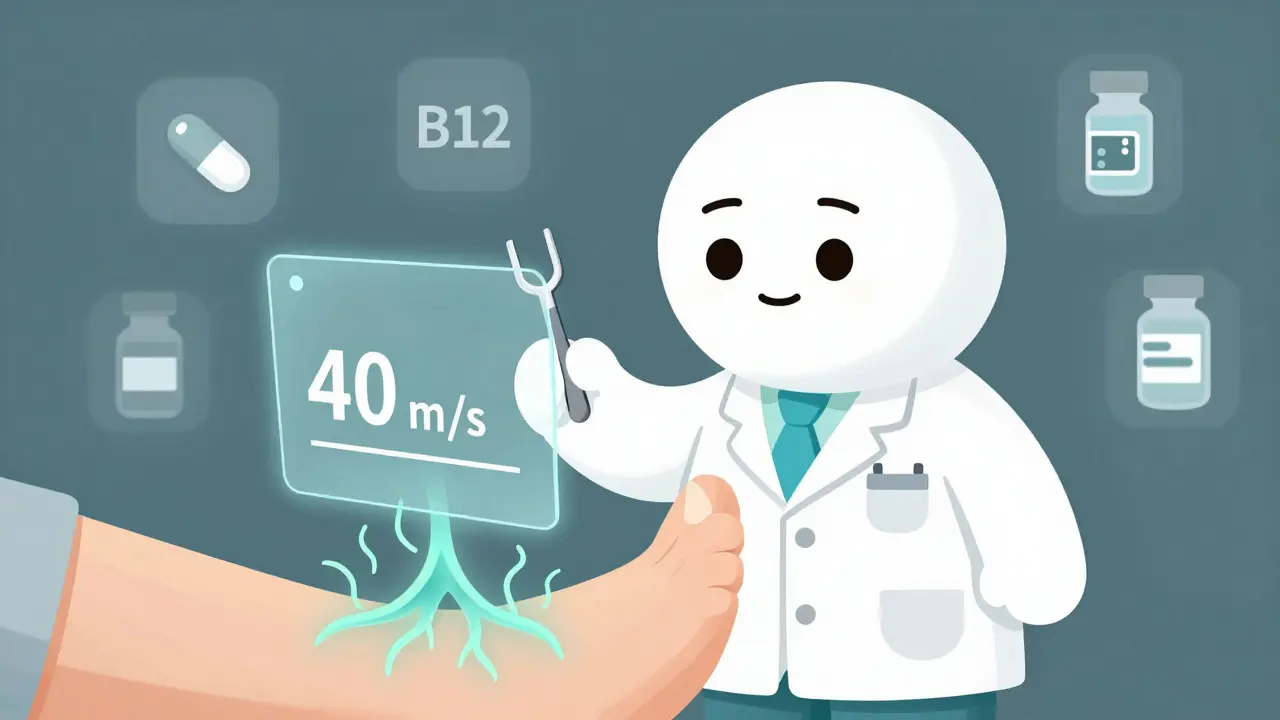
Vitamin B12 deficiency is another big one. It’s easy to miss because symptoms like fatigue and brain fog show up first. But without enough B12, your nerves start to break down. A simple blood test can catch this, and a weekly injection of 1,000 mcg often reverses symptoms in just a few weeks.
Chemotherapy is another silent offender. About one in three cancer patients on drugs like paclitaxel or vincristine end up with nerve damage. It’s called chemotherapy-induced peripheral neuropathy (CIPN). Sometimes it’s temporary. Other times, it sticks around long after treatment ends.
Then there are the less obvious causes: alcohol abuse, autoimmune diseases like lupus, infections like shingles, and even some inherited conditions. About 20% of cases have no clear cause at all-these are called idiopathic neuropathies. That’s frustrating, but not hopeless. Even when we don’t know why the nerves are damaged, we can still treat the pain.
How Do You Know It’s Neuropathy?
It doesn’t start with a sharp pain. It creeps in. First, you might notice tingling in your toes. Then, a burning sensation that gets worse at night. You drop things because your fingers feel numb. You trip over nothing because your feet don’t feel the ground.
Doctors use simple tests to confirm it. A 10-gram monofilament pressed against your foot checks for loss of sensation. A 128-Hz tuning fork on your big toe tests vibration sense. If you can’t feel it, your nerves are damaged. Nerve conduction studies measure how fast signals travel-normal is above 50 m/s; below 40 m/s means trouble.
Patients often describe the pain as stabbing, electric, or like walking on broken glass. It’s not the same as a sprained ankle. This is nerve pain-different, deeper, and harder to ignore. It doesn’t respond well to regular painkillers like ibuprofen. That’s why so many people suffer for months before getting the right diagnosis. On average, it takes 18 months from first symptoms to confirmed diagnosis.
Pain Management: What Actually Works?
There’s no magic cure, but there are proven ways to take the edge off. The first rule: treat the cause. If you have diabetes, get your blood sugar under control. Keeping HbA1c below 7% cuts neuropathy progression by 60%. That’s not a suggestion-it’s science.
For pain relief, three medications are backed by strong evidence:
- Pregabalin (Lyrica): Reduces pain in about 37% of people. Side effects? Dizziness and drowsiness. Many users say it works-but not until after the first week of adjusting.
- Duloxetine (Cymbalta): Works for 35% of users. Helps with both pain and depression, which often come together. But nausea is common-some people quit because of it.
- Amitriptyline: An old antidepressant that’s surprisingly effective. 41% of users get half their pain gone. But dry mouth and sleepiness are almost guaranteed.
These aren’t perfect. About 65% of people stop taking them within three months because of side effects. That’s why many turn to non-drug options.
Non-Medication Approaches That Help
Scrambler therapy is one of the most surprising. It uses mild electrical signals to “trick” your brain into not feeling pain. After 10 sessions, 85% of patients report at least 50% pain reduction. It’s expensive-$1,200 to $1,500 per course-but for those who’ve tried everything else, it’s life-changing.
Spinal cord stimulation is another option for severe cases. A small device is implanted near the spine to send gentle pulses that block pain signals. Studies show 65% of patients get half their pain gone. It’s not for everyone, but for those with chronic, treatment-resistant pain, it’s a game-changer.
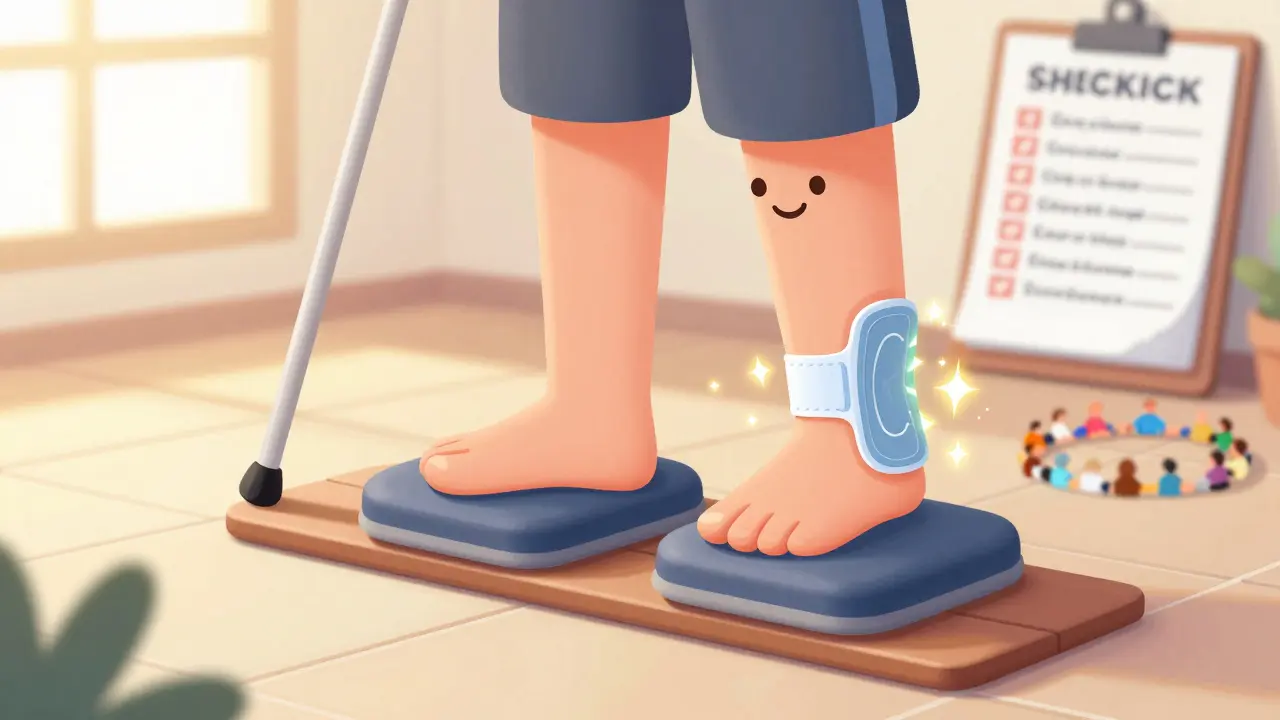
Physical therapy is underrated. Simple balance exercises-like standing on one foot, walking heel-to-toe, or stepping over lines on the floor-can cut fall risk by 30% in 12 weeks. Most patients see improvement in strength and confidence after just 8 weeks of twice-weekly sessions.
Custom orthotics and therapeutic shoes? Huge difference. People with neuropathy often don’t feel pressure points, so they develop sores without knowing. Special shoes with cushioned insoles prevent ulcers and make walking possible again. One NHS survey found 82% of users were satisfied.
What Doesn’t Work (and Why)
Over-the-counter painkillers like ibuprofen or acetaminophen? They help maybe 10-15% of the time. That’s because they target inflammation, not nerve pain. Using them long-term just risks stomach bleeding or liver damage for little gain.
Opioids? They’re a trap. Studies show they only reduce neuropathic pain by about 30%, and more than 15% of long-term users become dependent. The American Diabetes Association and Harvard Medical School both warn against them.
Supplements like alpha-lipoic acid or acetyl-L-carnitine? Some small studies show mild benefit, but nothing consistent enough to recommend as a first-line treatment. Don’t waste money unless your doctor says it’s safe to try.
Living With It: Daily Habits That Make a Difference
Managing peripheral neuropathy isn’t just about pills and therapy. It’s about daily habits.
- Check your feet twice a day. Look for cuts, blisters, redness. You might not feel them, but they can turn into serious infections.
- Wear socks and shoes at all times. Even indoors. Barefoot walking on tile or carpet can lead to unnoticed injuries.
- Keep blood sugar stable. If you have diabetes, test your levels 4-7 times a day. Use a continuous glucose monitor if you can.
- Don’t smoke or drink heavily. Both make nerve damage worse.
- Stay active. Walking, swimming, or cycling improves circulation and keeps nerves healthier.
Many people on Reddit’s r/neuropathy community say the hardest part isn’t the pain-it’s the loneliness. Sleep gets ruined. Walking becomes a chore. You stop going out. Support groups, whether online or local, help more than people realize. The Foundation for Peripheral Neuropathy offers free resources, including a downloadable foot-check checklist and a guide to finding a specialist.
What’s New in 2026?
There’s real progress. In 2020, the FDA approved Qutenza-a high-dose capsaicin patch that you get applied in a doctor’s office. One 30-minute treatment can block pain for up to three months. No daily pills. No side effects like drowsiness.
Researchers are also testing gene therapies for inherited forms like Charcot-Marie-Tooth disease. Early trials show nerve conduction improving by 20% in six months. It’s not a cure yet, but it’s the first time we’ve seen nerves actually start to heal.
AI tools are being trained to spot early signs of neuropathy from simple foot scans or gait patterns. By 2026, some clinics expect to cut diagnosis time from 18 months to under six months. That’s huge-because the sooner you start treatment, the better the outcome.
Wearable nerve stimulators are coming soon. These small patches, worn on the ankle or wrist, deliver gentle electrical pulses all day. Early trials show 40% pain reduction with no side effects. FDA submission is expected in mid-2024.
Final Thoughts: Hope Is Real
Peripheral neuropathy is tough. It’s not fatal, but it can steal your independence. The good news? We know more now than ever. Treatment isn’t one-size-fits-all, but there’s a path for almost everyone.
If you’re experiencing numbness, burning, or tingling, don’t wait. See a neurologist or a diabetes specialist. Get tested. Start managing your blood sugar. Try physical therapy. Ask about pregabalin or scrambler therapy if other options fail.
You don’t have to live in pain. And you don’t have to do it alone.
Can peripheral neuropathy be reversed?
In some cases, yes-if the cause is treatable. Nerve damage from vitamin B12 deficiency, alcohol abuse, or certain infections can improve or even fully reverse with proper treatment. Diabetic neuropathy is harder to reverse, but early, strict blood sugar control can stop it from getting worse and sometimes improve symptoms. The key is catching it early. Once nerves are severely damaged, they don’t regenerate easily, but managing pain and preventing further damage is still very possible.
Is peripheral neuropathy the same as carpal tunnel syndrome?
No. Carpal tunnel is a type of mononeuropathy-it affects just one nerve, the median nerve in the wrist. Peripheral neuropathy usually means damage to many nerves, often symmetrically in both feet and hands. Carpal tunnel causes numbness and tingling in the thumb, index, and middle fingers. Peripheral neuropathy affects the entire foot or hand, often starting in the toes. Both involve nerve compression or damage, but the scope and causes are different.
Why do symptoms get worse at night?
At night, your body isn’t distracted by movement, noise, or activity. Pain signals become more noticeable. Also, body temperature drops slightly during sleep, which can trigger burning sensations in damaged nerves. Some people also have higher levels of inflammatory chemicals at night. This is why many patients describe their pain as unbearable after dark.
Can I still drive with peripheral neuropathy?
It depends. If you have severe numbness in your feet, you might not feel the pedals properly, which is dangerous. Some people adjust by using adaptive pedals or switching to an automatic car. If you’re on medications like pregabalin that cause dizziness, avoid driving until you know how your body reacts. Always check with your doctor and your local licensing agency-some states require a medical evaluation for drivers with nerve conditions.
Are there any foods that help with nerve pain?
No single food cures neuropathy, but certain nutrients support nerve health. Eat more foods rich in B vitamins-like eggs, lean meat, leafy greens, and fortified cereals. Omega-3s from fatty fish (salmon, sardines) may reduce inflammation. Antioxidants in berries, nuts, and dark chocolate can help protect nerves. Avoid processed sugars and refined carbs-they spike blood sugar and worsen diabetic neuropathy. A balanced, whole-food diet is your best tool.
How long does it take for neuropathy treatments to work?
It varies. For B12 deficiency, improvement can start in 2-4 weeks. Blood sugar control takes 3-6 months to show nerve pain relief. Medications like pregabalin or duloxetine often take 1-2 weeks to build up in your system. Physical therapy shows results in 6-12 weeks. Scrambler therapy needs 10 sessions over 2-3 weeks. Patience is key-but don’t wait too long. Starting treatment early gives you the best shot at slowing or stopping progression.

Dee Humprey
I had diabetic neuropathy for years and nothing worked until I tried scrambler therapy. It wasn't cheap but it gave me back my nights. No more burning feet. No more lying awake counting pain. Just peace. I wish I'd known sooner.
John Wilmerding
The clinical data presented here is both comprehensive and clinically accurate. I would like to emphasize that early intervention with glycemic control remains the single most effective modifiable factor in halting progression. Furthermore, the evidence supporting pregabalin and duloxetine is robust, though adherence remains a persistent challenge due to tolerability issues.
Siobhan Goggin
This is exactly the kind of info I needed. My mum’s been struggling for ages and I finally understand why the ibuprofen wasn’t doing anything. Thank you for writing this with so much heart.
Shanna Sung
They don't want you to know this but the real cause is 5G towers and EMF radiation from your phone. The FDA approved Qutenza because it's a cover-up. Big Pharma doesn't want you curing neuropathy naturally with grounding mats and copper bracelets. They profit from your pain. Check the studies. They're all funded by drug companies. I know someone who reversed it with salt lamps and a crystal necklace. Don't be fooled.
Doreen Pachificus
I’ve had this for 5 years. I still don’t know why. My doctor says idiopathic. I just keep walking even when it hurts. Feels like I’m dragging bricks. The orthotics helped a little. Not much else did.
Cassie Tynan
So let me get this straight. We spend decades ignoring our bodies, then when the nerves start screaming, we throw pills at them like they’re angry toddlers? And we call it medicine? Funny how the same people who tell you to eat clean will sell you a $1200 patch to numb the consequences. We’re not healing. We’re just buying silence.
Vicki Yuan
For anyone considering B12 supplementation, please note that methylcobalamin is more bioavailable than cyanocobalamin, especially for neurological repair. Oral doses of 1,000 mcg daily are often sufficient, though sublingual forms may offer faster absorption. Always confirm deficiency with serum B12 and methylmalonic acid levels before assuming. Many assume they're deficient when they're not.
Uzoamaka Nwankpa
I just want someone to tell me it’s not my fault. I don’t drink. I don’t have diabetes. I eat right. I exercise. And still my feet burn like I’m walking on hot coals. No one listens. No one sees it. I’m tired of being told I’m just being dramatic.