Imagine switching to a generic version of a medication you've taken for years, only to find it doesn't work as well or causes a strange new side effect. You might wonder if it's just in your head or if the drug itself is different. This is where MedWatch is the FDA's voluntary reporting system used to collect safety information about medical products, including generic drugs. Since 1993, it has acted as a giant safety net, catching problems that didn't show up during clinical trials. For those using generic medications, which make up about 90% of prescriptions filled in the US, this system is the primary way the government knows if a specific manufacturer's version of a drug is causing issues.
The Engine Behind the Reports: How FAERS Works
When you or your doctor submit a report through MedWatch, the data doesn't just sit in a file. It flows into the FDA Adverse Event Reporting System, better known as FAERS. Think of FAERS as a massive database-containing over 9 million reports as of 2023-that scientists mine for "signals." A signal is a hint that a drug might have a previously unknown side effect or a quality problem.
To keep things consistent globally, FAERS follows the International Conference on Harmonisation (ICH E2B) standards. This means every report is broken down into seven specific tables, covering everything from your demographics and the drug's start date to the actual outcome of the adverse event. By organizing data this way, the FDA can spot patterns across thousands of patients, even if those patients are in different states.
The Generic Gap: Why Reporting is Tricky
Here is the core problem: it is surprisingly hard for the FDA to tell the difference between a brand-name drug and its generic counterpart in a report. If a patient simply writes "sertraline" instead of specifying the manufacturer, the FDA might not know which company produced that specific pill. This creates a "pharmacovigilance gap."
Data shows a stark difference in reporting quality. While about 89.4% of brand-name reports correctly identify the manufacturer, only 32.7% of generic reports do the same. Many patients don't realize that different companies make the same generic drug, and they might just list the generic name. This makes it difficult for the FDA to pin a problem on one specific factory or batch rather than the drug molecule itself.
| Metric | Brand-Name Drugs | Generic Drugs |
|---|---|---|
| Manufacturer Identification Rate | 89.4% | 32.7% |
| Typical Reporting Focus | New side effects | Therapeutic inequivalence |
| NDC Code Inclusion (Consumer) | Higher | ~28.3% |
Understanding Therapeutic Inequivalence
You'll often hear the term therapeutic inequivalence in the context of generics. This happens when a patient feels a generic drug isn't as effective as the brand-name version, or it causes different side effects. While the FDA's Bioequivalence Guidance requires generics to be within 80-125% of the brand's performance, real-world variations happen due to different inactive ingredients (fillers) or manufacturing processes.
MedWatch actually has a specific category for "therapeutic inequivalence/failure." Reporting these instances is vital. For example, back in 2022, several reports about a specific generic version of bupropion XL led to an investigation and labeling changes within less than a year. This proves that even if the system is voluntary, it can trigger real regulatory action.
How to File a High-Value Report
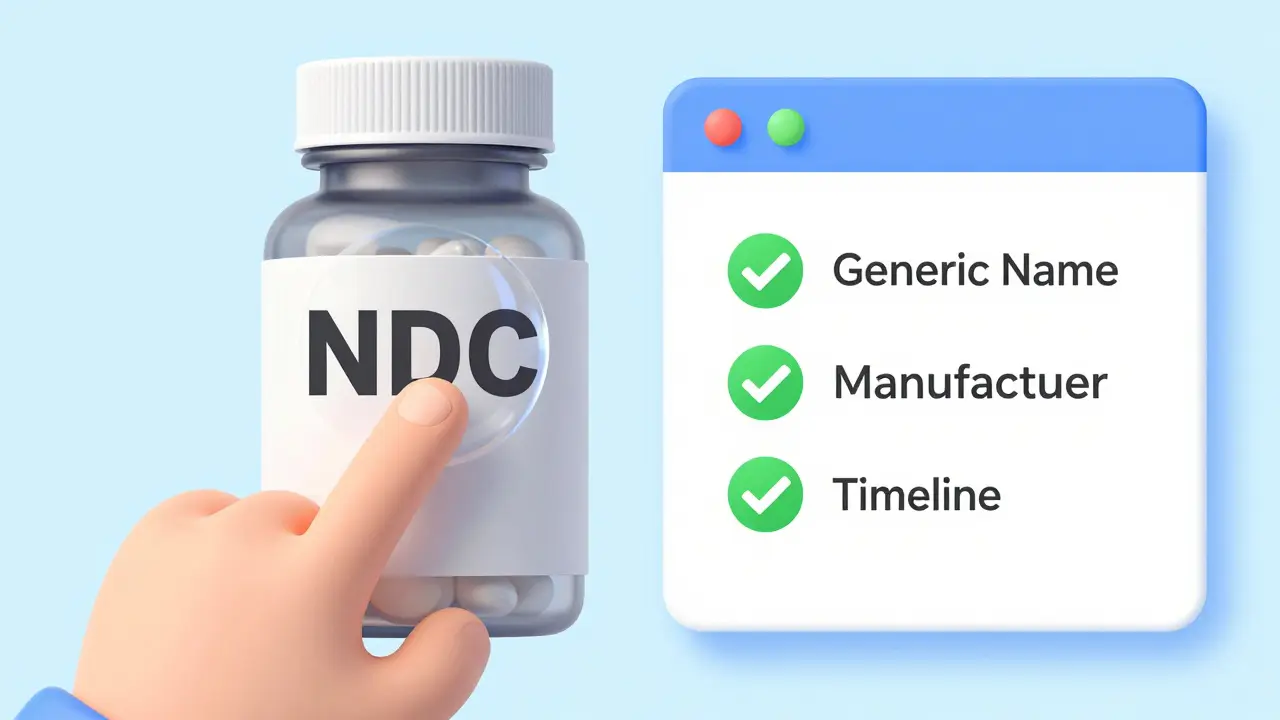
If you're reporting a problem, the "minimum" requirements are just the drug name, a description of the event, and your name. But if you want the FDA to actually be able to use your data, you need to be specific. The most valuable piece of information you can provide is the National Drug Code, or NDC number. This is the unique 10 or 11-digit number found on the prescription bottle that identifies the exact manufacturer and dosage.
Here is the best way to structure your report to ensure it's useful:
- Identify the product clearly: If it's a generic, list the generic name first, followed by the word "generic" and the manufacturer's name (e.g., "Sertraline generic, Manufacturer X").
- Include the NDC: Look at your pharmacy label and copy the NDC number exactly.
- Detail the timeline: When did you start the medication? How long after the switch did the reaction occur?
- Describe the outcome: Did you stop the medication? Did a doctor change your dose? Did the symptoms go away?
What's Changing? The Future of Safety Data
The FDA is trying to fix the "generic gap" with technology. In early 2024, they fully integrated a new algorithm into FAERS that can distinguish between brands and generics with over 92% sensitivity. This means the system can now "guess" more accurately which drug is which, even if the reporter wasn't perfectly clear.
Looking ahead to 2026, the FDA is planning to integrate MedWatch directly with electronic health record (EHR) systems. This is a game-changer because it would automatically pull the NDC code and manufacturer info from the pharmacy's record into the safety report, removing the burden of memory from the patient and the pharmacist. Until then, the system relies heavily on a few motivated healthcare providers and patients who take the time to be precise.
Is MedWatch reporting mandatory for patients?
No, MedWatch is a voluntary system. Patients and healthcare providers are encouraged to report issues, but they are not legally required to do so. However, manufacturers are legally obligated to report adverse events they become aware of to the FDA.
What is an NDC number and where do I find it?
The National Drug Code (NDC) is a unique identifier for each drug product. You can usually find it on the prescription bottle's label or the manufacturer's packaging. It's the most important piece of data for tracking generic drug safety.
Will the FDA contact me after I submit a report?
Not always. Because of the sheer volume of reports (over a million annually), the FDA typically uses reports to find broad patterns rather than responding to individual cases. However, some reports do lead to direct follow-ups if the information is critical for a safety signal.
Why does a generic cause different side effects than a brand name?
While the active ingredient is the same, the inactive ingredients-like binders, dyes, and fillers-can vary between manufacturers. Some people are sensitive to these specific additives, which can lead to different side effects or a perceived difference in how the drug works.
How long does it take for a MedWatch report to lead to a change?
It varies. Some signals are caught quickly; for example, reports on generic bupropion XL led to labeling changes in about 11 months. Other patterns may take years of data collection before the FDA feels there is enough evidence to require a manufacturer to change their labels.
Next Steps for Patients and Providers
If you suspect a generic medication is causing an issue, don't just switch back to the brand name without a plan. First, record the NDC number from your current bottle. Next, document exactly when the symptoms started. If you are a pharmacist, despite the time constraints, focusing on the "therapeutic inequivalence" field in MedWatch provides the most actionable data for the FDA.
For those who find the online portal daunting, remember that Form FDA 3500 is still available for paper submissions. Regardless of the method, the goal is the same: moving from vague reports to concrete, manufacturer-specific data that keeps everyone safe.

Goodwin Colangelo
The NDC is definitely the key here. Most people just ignore the label, but if you're feeling a difference between batches, writing that number down is the only way to help the FDA actually pinpoint the manufacturer.
Rachelle Z
Oh wow... so we're just expected to be unpaid data entry clerks for the government now??? 🙄 Totally reasonable to ask patients to hunt for 11-digit codes while they're having a "strange new side effect"!!! 💅✨
Divine Manna
It is quite telling that the manufacturer identification rate for generics is a mere 32.7%. This disparity exists because the average consumer lacks the intellectual rigor to distinguish between the active pharmaceutical ingredient and the specific entity that synthesized it. One must wonder if the systemic failure lies with the reporting tool or the cognitive apathy of the populace. It is a classic example of the gap between regulatory intent and human incompetence.
Branden Prunica
I literally cannot even deal with this right now! I switched to a generic last year and my life became a living nightmare! I felt like a totally different person! No one believed me! I thought I was losing my mind until I read about this therapeutic inequivalence stuff! It is actually heartbreaking that we have to fight this hard just to be heard!
Sam Hayes
just keep the bottle if you notice something weird it makes the process way easier when you finally get around to filing the report
Dee McDonald
GET YOUR NDC CODES NOW! Stop complaining and start documenting! If we want better drugs, we have to provide better data! Get aggressive with your pharmacist and make sure you know exactly who is making your meds! Let's push for that 2026 EHR integration faster!
Vicki Marinker
This is all dreadfully optimistic. The idea that an algorithm can "guess" a manufacturer with 92% accuracy is simply laughable. It's just another layer of digital bureaucracy designed to make us feel safe while the actual quality of generic medicine continues to slide into mediocrity. I find the whole premise exhausting.
Sakshi Mahant
It is interesting to see how different countries handle this. In India, we have so many generic manufacturers, and the focus on accessibility is huge, though the reporting systems vary. I appreciate the effort to standardize this globally via ICH standards.
HARSH GUSANI
Who cares about US FDA anyway? 🇮🇳 India makes the most generics in the world and we do it better! Stop acting like the US system is the only one that matters! 🙄🔥
Rob Newton
Algorithms aren't a fix. They're a band-aid for bad data.
The Charlotte Moms Blog
Absolutely typical... the FDA expects us to do their job for them!!! I've tried calling my doctor about this three times and got nothing!!! The system is completely broken... just a joke!!!