MAOI Cold Medicine Safety Checker
Select the ingredients found on your medicine's "Drug Facts" label to check the risk level for MAOI users.
Check Ingredient:
Safety Analysis:
Select an ingredient from the list to see the risk assessment.
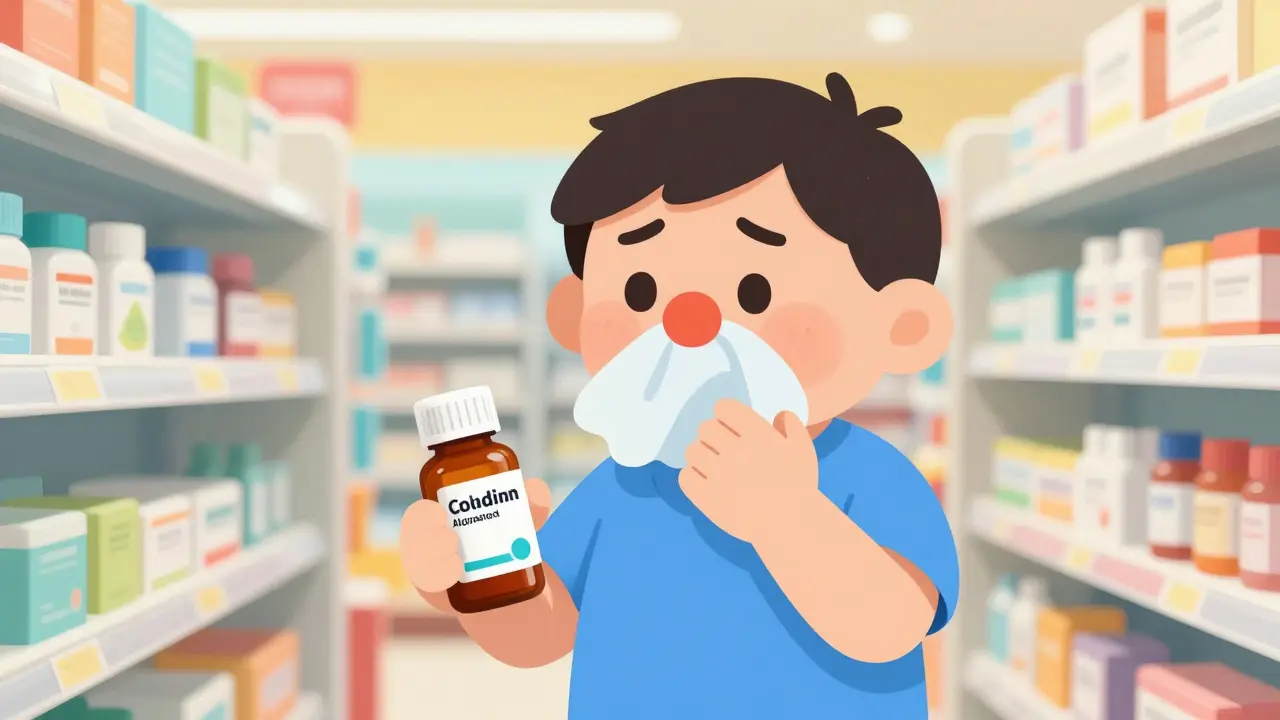
Imagine waking up with a nagging cough and a stuffed nose, grabbing a standard multi-symptom cold relief pill from the pharmacy shelf, and ending up in the emergency room with a blood pressure reading of 220/110 mmHg. For most people, a cold pill is harmless. But for someone taking a Monoamine Oxidase Inhibitor is a class of antidepressant medication that blocks enzymes responsible for breaking down neurotransmitters like norepinephrine and serotonin, it can be a recipe for a medical emergency. While these drugs are lifesavers for treatment-resistant depression, they turn common drugstore ingredients into dangerous triggers.
Why MAOIs Change the Rules of Over-the-Counter Medicine
To understand the risk, you have to look at how your body processes chemicals. Normally, the enzyme monoamine oxidase acts like a cleanup crew, breaking down excess neurotransmitters. When you take an MAOI-such as Phenelzine (Nardil) or Tranylcypromine (Parnate)-you essentially fire that cleanup crew. This means chemicals like dopamine and norepinephrine stay in your system much longer.
The trouble starts when you introduce a "sympathomimetic" drug. These are ingredients found in many nasal decongestants that mimic the effects of adrenaline. Because your "cleanup crew" is gone, these drugs cause a massive, uncontrolled spike in norepinephrine. This leads to a Hypertensive Crisis, which is a sudden, severe increase in blood pressure that can lead to organ damage or stroke
The Decongestant Danger Zone
Not all cold medicines are created equal. The biggest offenders are the oral decongestants. If you see these names on a label, and you're on an MAOI, put the bottle back. Pseudoephedrine (the active ingredient in original Sudafed) and Phenylephrine (found in Sudafed PE) are high-risk triggers.
Research from the University of Texas Southwestern Medical Center showed that even a single 30mg dose of pseudoephedrine can jump a patient's blood pressure by an average of 42/28 mmHg. This isn't a subtle increase; it's a violent spike. You might feel it as a pounding headache, stiff neck, or heart palpitations. In some cases, it requires immediate hospitalization to prevent a stroke.
| Ingredient | Common Product | Risk Level | Potential Effect |
|---|---|---|---|
| Pseudoephedrine | Sudafed | Critical | Hypertensive Crisis |
| Phenylephrine | Sudafed PE / DayQuil | Critical | Hypertensive Crisis |
| Dextromethorphan | Robitussin DM / Delsym | High | Serotonin Syndrome |
| Acetaminophen | Tylenol | Low | Safe for most |
| Guaifenesin | Mucinex | Low | Safe for most |

The Invisible Threat: Serotonin Syndrome
While blood pressure is the immediate worry with decongestants, cough suppressants bring a different kind of danger. Dextromethorphan is a common cough suppressant found in many "DM" labeled syrups. It increases serotonin levels in the brain. When combined with an MAOI, which also keeps serotonin levels high, the brain can become overloaded.
This results in Serotonin Syndrome, a condition where too much serotonin causes the body to go into overdrive. Symptoms can range from mild agitation and shivering to severe muscle rigidity, high fever, and seizures. According to NCBI's StatPearls, combining irreversible MAOIs with other serotonergic agents is one of the most toxic combinations possible. This is why doctors insist on a 14-day "washout period" when switching medications-it takes that long for your body to regenerate the enzymes the MAOI destroyed.
Navigating the Pharmacy Aisle Safely
The biggest challenge for patients is that 78% of multi-symptom cold medicines contain at least one ingredient that is forbidden for MAOI users. The "All-in-One" or "Maximum Strength" bottles are often the most dangerous because they hide pseudoephedrine or dextromethorphan behind a fancy brand name.
The safest strategy is to use single-ingredient products. Instead of a "Cold & Flu" cocktail, treat symptoms individually. If you have a fever, use acetaminophen. If you have a productive cough, use guaifenesin to thin the mucus. Avoid anything labeled as a "decongestant" or "cough suppressant" unless you've cleared it with your pharmacist.
Even if you're using a Selegiline Patch (Emsam), you aren't entirely in the clear. While the low-dose patch (6 mg/24hr) allows for more flexibility with food, the drug interaction risks with OTC medicines remain just as serious as the oral versions. The rules for the pharmacy aisle don't change just because the drug is delivered through a patch.
Practical Tips for Managing Your Safety
Living with an MAOI requires a shift in how you shop. You can't just trust the "Natural" or "Extra Strength" labels. Many herbal supplements or "natural" cold remedies also contain sympathomimetic properties that can trigger a crisis.
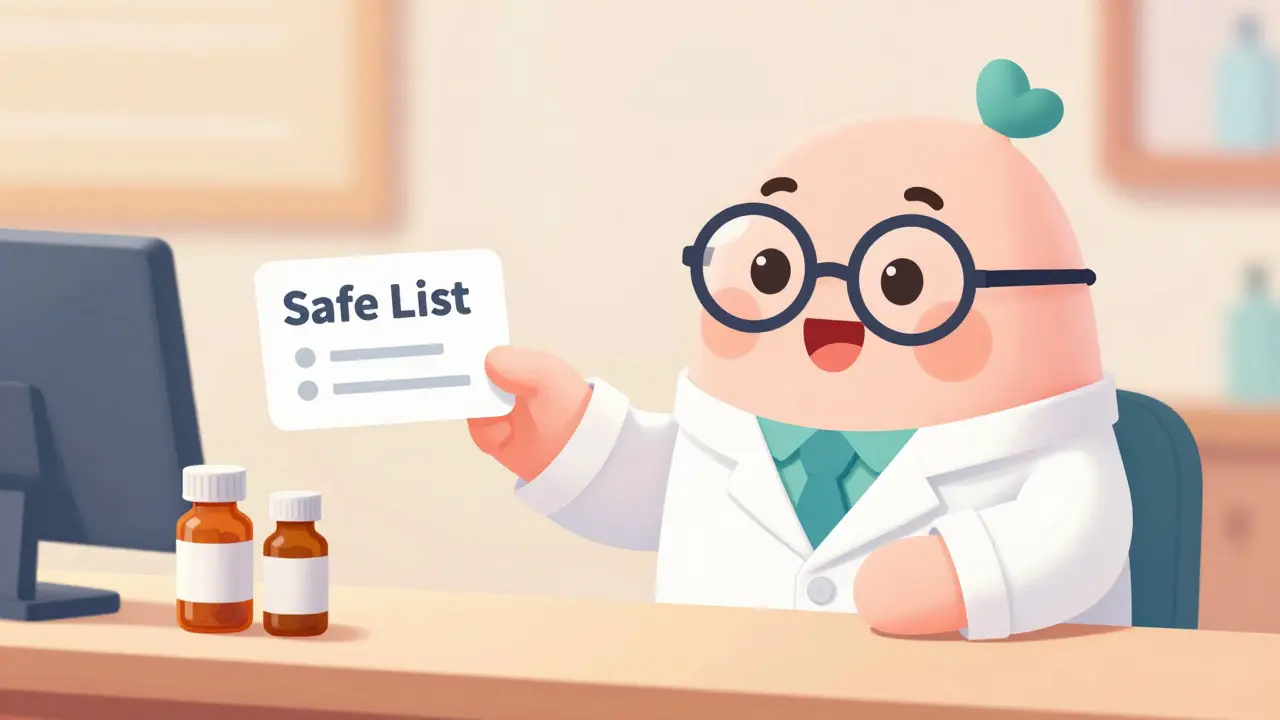
- Carry a Wallet Card: Many patients use a small card listing "Forbidden Ingredients" to show pharmacists.
- Read the Full Ingredient List: Don't just look at the front of the box; check the "Drug Facts" panel on the back.
- Ask for "MAOI-Safe" Alternatives: Your pharmacist can help you find specific brands that omit the dangerous stimulants.
- Avoid Multi-Symptom Packs: Stick to single-ingredient medications to avoid accidental ingestion of banned substances.
Can I take Tylenol while on an MAOI?
Yes, acetaminophen (the active ingredient in Tylenol) does not interact with the monoamine oxidase enzyme and is generally considered safe for pain and fever relief in MAOI users.
What is a "hypertensive crisis" exactly?
It is a sudden, severe spike in blood pressure. In the context of MAOIs, it happens when sympathomimetic drugs cause a massive release of norepinephrine that the body cannot break down, potentially leading to a stroke or heart failure.
Is the Selegiline patch safer than oral MAOIs?
In terms of diet, the 6mg patch has fewer restrictions. However, in terms of drug interactions-especially with cold medicines-the risks are virtually the same. You must still avoid decongestants and dextromethorphan.
What should I do if I accidentally took a decongestant?
Monitor your blood pressure immediately. If you experience a severe headache, stiff neck, nausea, or heart palpitations, seek emergency medical attention immediately, as these are signs of a hypertensive crisis.
Why is the 14-day wait period necessary?
Most MAOIs are "irreversible," meaning they permanently disable the enzyme. Your body needs about two weeks to manufacture new enzymes before it can safely process other serotonergic drugs or certain foods.
Next Steps and Troubleshooting
If you are starting an MAOI treatment, your first step should be to clear out your medicine cabinet. Toss any old multi-symptom cold syrups or nasal sprays containing phenylephrine. Create a "safe list" of medications you can use for common ailments and share it with your family or housemates so they don't accidentally give you the wrong medicine during a flu spell.
For those switching from an SSRI or SNRI to an MAOI, stick strictly to the washout period prescribed by your doctor. Attempting to shorten this window increases the risk of serotonin syndrome significantly. If you feel an unusual surge of anxiety or physical restlessness during the transition, contact your psychiatrist immediately to ensure your transition is proceeding safely.

Joshua Nicholson
Kinda wild that we just have stuff on the shelves that can literally send someone to the ER like that lol
Tama Weinman
It's not a coincidence that these 'all-in-one' cocktails are marketed so heavily. They want you hooked on a chemical soup so you don't realize what's actually happening to your brain chemistry. The pharmaceutical industry loves the chaos of multi-symptom drugs because it masks the specific side effects of the individual ingredients. Keep your eyes open, people, because the 'safe' list is probably just another way to steer you toward a different brand they own. Everything is connected in this medical-industrial complex.
Anna BB
This is such a vital reminder...!!! It really makes you think about how fragile our biological balance is... and how a simple cold pill can change everything in an instant...!!! Be safe everyone...!!!