
Presbycusis is the progressive sensorineural hearing loss that occurs as a natural part of aging. It typically affects both ears equally and starts with a struggle to hear high-frequency sounds. This happens because the tiny hair cells in your cochlea-the sensory receptors of the inner ear-deteriorate over time. We are born with about 16,000 of these cells, and they don't grow back. In fact, most of us lose about 1% of them every year after age 30. When these cells vanish, the brain stops receiving clear signals, especially for high-pitched sounds like a doorbell, a grandchild's laugh, or consonants like "s" and "th."
Spotting the Warning Signs
It's easy to brush off hearing loss as a minor annoyance, but the symptoms are usually very specific. You might notice that the television volume has crept up to levels that bother everyone else in the room-often exceeding 65 decibels. You might feel like people are mumbling, even when they are speaking clearly. In noisy environments, like a crowded restaurant, speech comprehension can drop by an average of 25% compared to a quiet room. This is because your brain can no longer filter out background noise to focus on the speaker.Many people also experience Tinnitus, which is a ringing or buzzing sensation in the ears. About 59% of people with age-related hearing loss deal with this. Beyond the social frustration, there's a real safety risk. A 2021 Johns Hopkins study found that 37% of older adults with untreated hearing loss missed critical warning sounds, such as car horns or fire alarms, in the year prior. If you're constantly asking people to repeat themselves, it's time to stop guessing and get a professional screening.
Why This Happens and Who Is at Risk
While aging is the primary driver, it's rarely the only factor. Genetics play a huge role, with genes like GRHL2 and GJB2 contributing to 35-50% of cases. However, your lifestyle choices can either slow down or accelerate the process. Cumulative noise exposure-like years of working in a loud factory or using loud machinery-increases your risk by 40% if you're exposed to over 85 decibels for eight hours a day.Your general health also ties directly into your hearing. Diabetes increases the risk of presbycusis by 28%, while hypertension adds another 23%. Smoking also plays a part, increasing the risk by about 15%. Essentially, anything that affects your vascular health or causes systemic inflammation can damage the delicate blood supply to the inner ear, speeding up the loss of those precious hair cells.
The Hidden Cost of Silence
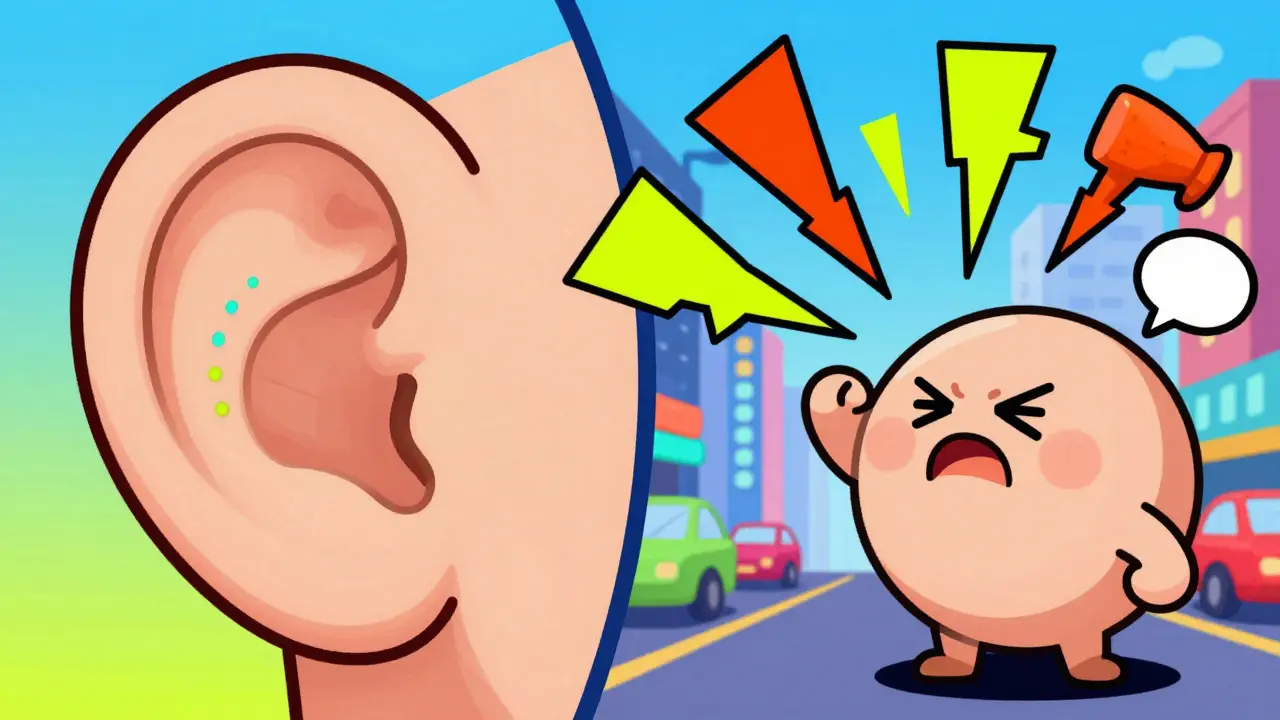
When you can't hear, you don't just lose sound; you lose connection. The NIDCD reports that people with untreated hearing loss are 5.3 times more likely to suffer from social isolation. It's a vicious cycle: you struggle to hear, so you avoid social gatherings, which leads to loneliness and a 32% increase in depression rates.This isolation extends into the healthcare system too. About 29% of older adults with hearing loss report missing critical information during doctor's visits because they couldn't hear the provider. There is even a financial toll. An economic analysis of 40,000 households showed that untreated hearing loss correlates with an average annual income reduction of $30,000 compared to peers with normal hearing. The inability to communicate effectively in a professional or social setting limits opportunities and confidence.
Amplification Strategies: Finding Your Fit
Since there is no cure for presbycusis, the goal is amplification. This means using technology to boost the sounds you're missing while keeping the sounds you can hear at a comfortable level. The most effective tool is the Hearing Aid, which is an electronic device that amplifies sound to compensate for hearing loss. Modern versions aren't just simple amplifiers; they are sophisticated computers that use digital signal processing to isolate speech from background noise.Depending on your budget and needs, you have two main paths: prescription devices and over-the-counter (OTC) options. Prescription aids are fitted by an Audiologist-a healthcare professional specializing in hearing and balance disorders. These devices offer the highest level of customization, with 16-64 frequency channels and directional microphones that improve the signal-to-noise ratio by 3-6 dB. OTC options are more affordable and better for mild-to-moderate loss, but they lack the precision of a professional fitting.
| Feature | Prescription Hearing Aids | OTC Hearing Aids |
|---|---|---|
| Cost | $1,800 - $3,500 per ear | $200 - $1,000 per pair |
| Fitting | Professional Audiologist | Self-fitted |
| Technology | High-end DSP, 16-64 channels | Basic amplification / Simple DSP |
| Best For | Severe loss, complex needs | Mild to moderate loss |
| Examples | Phonak Paradise, Oticon More | Jabra Enhance Select |
Getting the Most Out of Your Devices
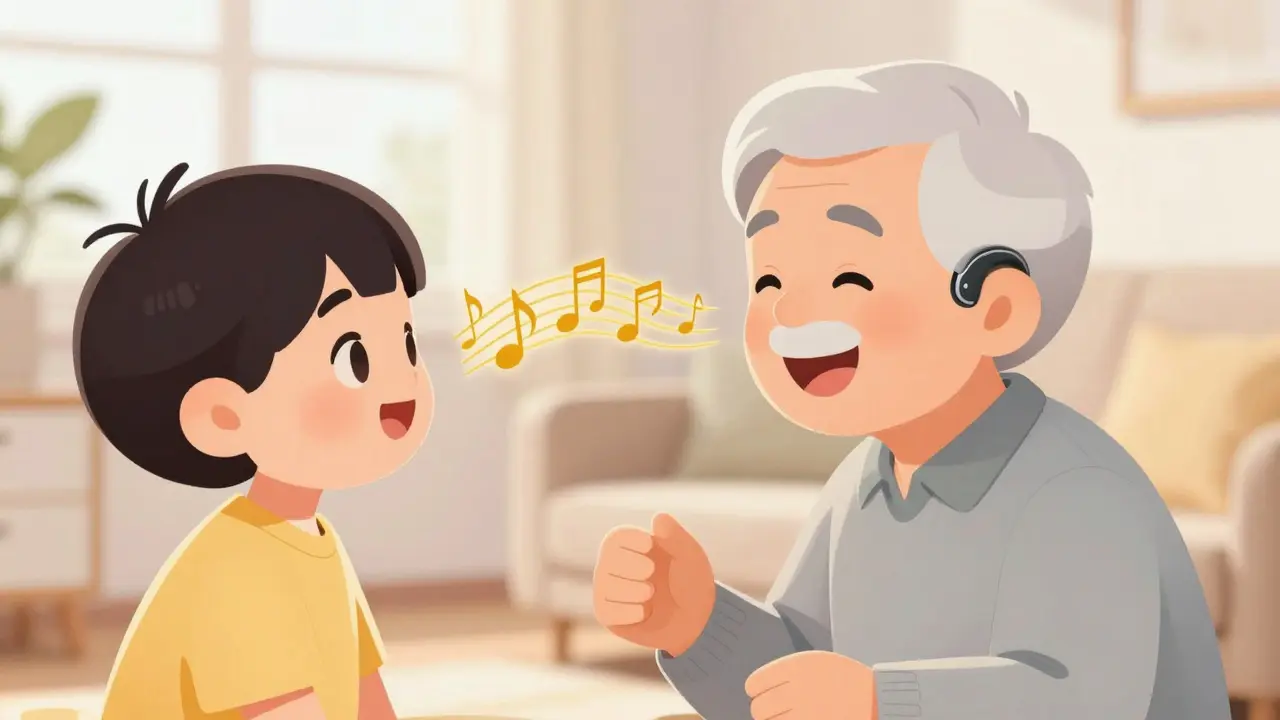
Getting a hearing aid is only half the battle; the other half is adaptation. About 20% of people stop using their devices within six months, usually because they feel uncomfortable or aren't hearing the "right" sounds. It's important to remember that your brain has to re-learn how to process sound. Most users reach 80% adaptation within four to six weeks, but it takes patience.To ensure success, follow a structured implementation plan:
- The Trial Period: Look for a 30-60 day trial to ensure the device works for your specific environment.
- Fine-Tuning: Schedule follow-up appointments at the 1, 2, and 4-week marks. An audiologist can adjust the frequency response to reduce wind noise or enhance specific speech tones.
- Maintenance: Decide between traditional batteries (replaced every 3-14 days) or rechargeable models that offer 16-20 hours per charge.
- Tech Integration: Spend time learning the smartphone apps. A Vanderbilt University study suggests it takes about 12 hours of practice to master complex app-based controls.
The Future of Hearing Health
We are entering an era where hearing care is becoming more integrated and intelligent. Artificial Intelligence is now being used to reduce "listening effort" by automatically adjusting settings based on the environment. Some newer platforms can even track your physical activity and social engagement to provide a broader picture of your health.Moreover, the barrier to entry is lowering. Telehealth now allows 62% of audiology practices to perform remote fine-tuning, meaning you don't have to drive across town for a simple setting change. Whether you choose a high-end model like the Widex Moment or a budget-friendly OTC pair, the goal remains the same: staying connected to the people and sounds that make life worth living. Early intervention is key-treating loss at 60 instead of 70 could potentially reduce your dementia risk by nearly 10% over the next decade.
Can I use OTC hearing aids instead of prescription ones?
Yes, if you have mild to moderate hearing loss and don't have complex ear canal issues. OTC aids are great for basic amplification and are much cheaper. However, if you have severe loss, tinnitus, or need precise frequency tuning to understand speech in noise, a prescription device fitted by an audiologist is significantly more effective.
Why do I feel like sounds are too loud or "tinny" when I first get hearing aids?
This is common because your brain has become accustomed to a quieter world. Sounds that were once filtered out-like the humming of a refrigerator or the clinking of silverware-now seem jarring. This is part of the adaptation process. Most people adjust within 4-6 weeks as the brain re-categorizes these sounds as background noise.
Does Medicare cover hearing aids?
Traditional Medicare generally does not cover hearing aids. However, many Medicare Advantage plans do offer coverage or discounts. As of 2024, millions of beneficiaries have accessed hearing care through these private Advantage plans, so it's worth checking your specific policy.
Will hearing aids actually prevent dementia?
While they don't "cure" dementia, amplifying sound helps keep the auditory cortex and other brain regions active. By reducing the cognitive load required to listen and preventing social isolation, amplification strategies can significantly lower the risk of cognitive decline associated with untreated hearing loss.
How often should I get my hearing tested?
The American Speech-Language-Hearing Association (ASHA) recommends a baseline screening at age 50, followed by biennial (every two years) check-ups. This helps catch loss early, which is critical for preserving neural pathways in the brain.