Generic Substitution: What It Is, Why It Matters, and What You Need to Know
When your pharmacist hands you a pill bottle with a different name than your doctor wrote, that’s generic substitution, the practice of replacing a brand-name drug with a chemically identical generic version. Also known as therapeutic substitution, it’s one of the biggest ways people save money on prescriptions—without sacrificing effectiveness for most conditions. But it’s not as simple as just swapping labels. For some drugs, even tiny differences in how the body absorbs them can make a real difference in how you feel—or even how safe the treatment is.
Generic drugs, medications that contain the same active ingredient as brand-name versions but cost far less are approved by the FDA only after proving they work the same way in the body. That’s called bioequivalence, the scientific standard that ensures a generic drug delivers the same amount of medicine into your bloodstream at the same rate as the brand. The FDA uses strict tests—like the 80/125 rule—to make sure generics meet this bar. But for drugs with a narrow therapeutic index, medications where even small changes in dosage can cause serious side effects or treatment failure—like blood thinners, seizure meds, or thyroid drugs—doctors and pharmacists are more cautious. That’s why some insurers still require prior authorization before letting you switch.
Still, for most people, generic substitution is safe, smart, and saves hundreds—sometimes thousands—of dollars a year. Studies show that for conditions like high blood pressure, depression, or diabetes, generics perform just as well as brand names. But confusion happens. Patients worry the generic won’t work. Pharmacists need to explain why it’s safe. And sometimes, supply chain problems mean the generic you got last month isn’t available this month, forcing another switch. That’s why knowing what’s happening behind the counter matters. You’re not just getting a cheaper pill—you’re navigating a system built on science, law, and profit margins.
Below, you’ll find real-world guides on how generic substitution works, when it doesn’t, and what you should ask your pharmacist to stay safe. From the Hatch-Waxman law that made generics possible, to how bioequivalence studies are done, to why some patients still get brand-name drugs by default—this collection cuts through the noise. You’ll see what the data says, how to spot red flags, and how to make sure you’re getting the right treatment—not just the cheapest one.
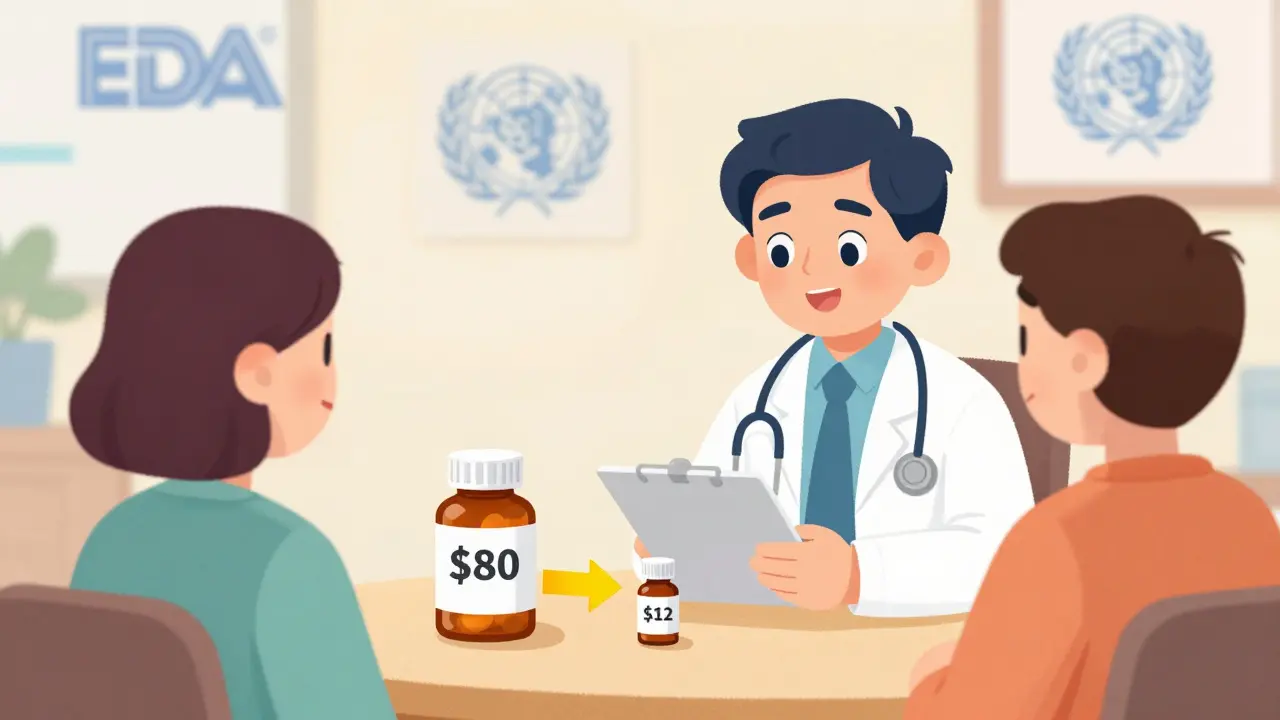
Healthcare providers play a vital role in helping patients afford and adhere to medications by advocating for appropriate generic use. Learn how clear communication, cost transparency, and trust-building can improve outcomes and reduce abandonment rates.
Read more
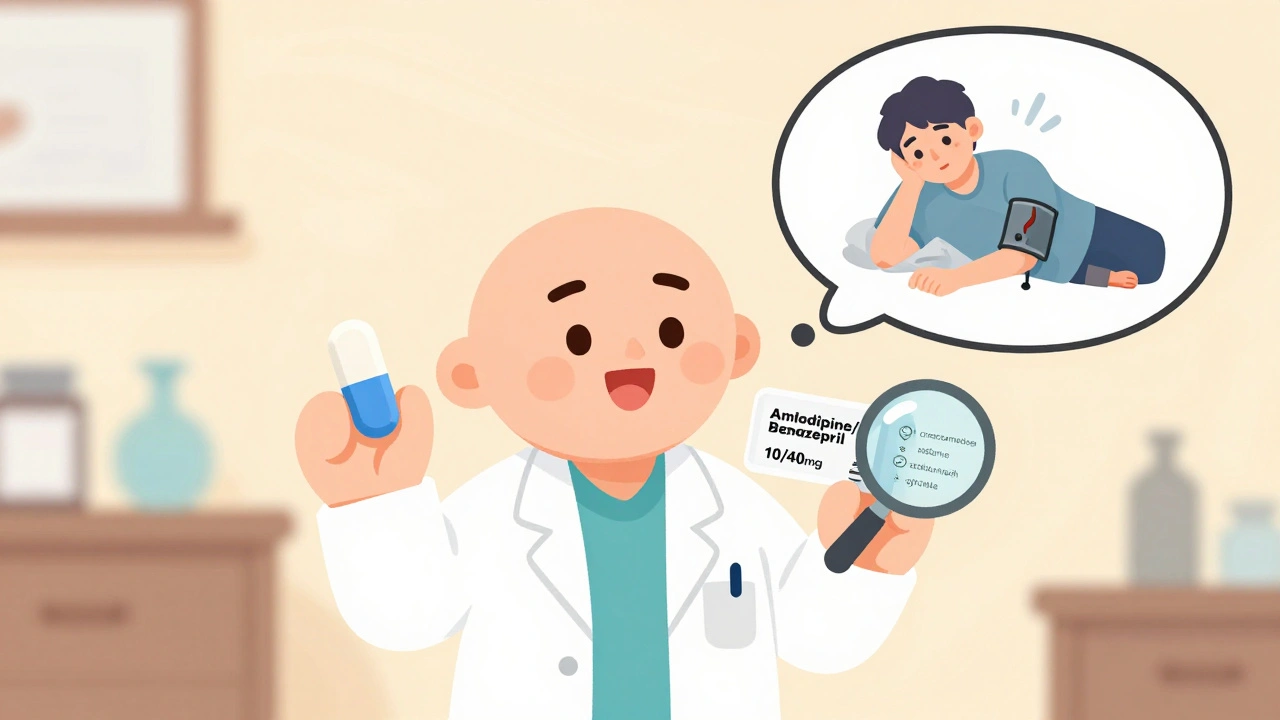
Therapeutic equivalence in combination drugs isn't as simple as matching active ingredients. Dose differences, inactive ingredients, and narrow therapeutic index drugs can lead to dangerous errors. Learn how to manage substitutions safely.
Read more