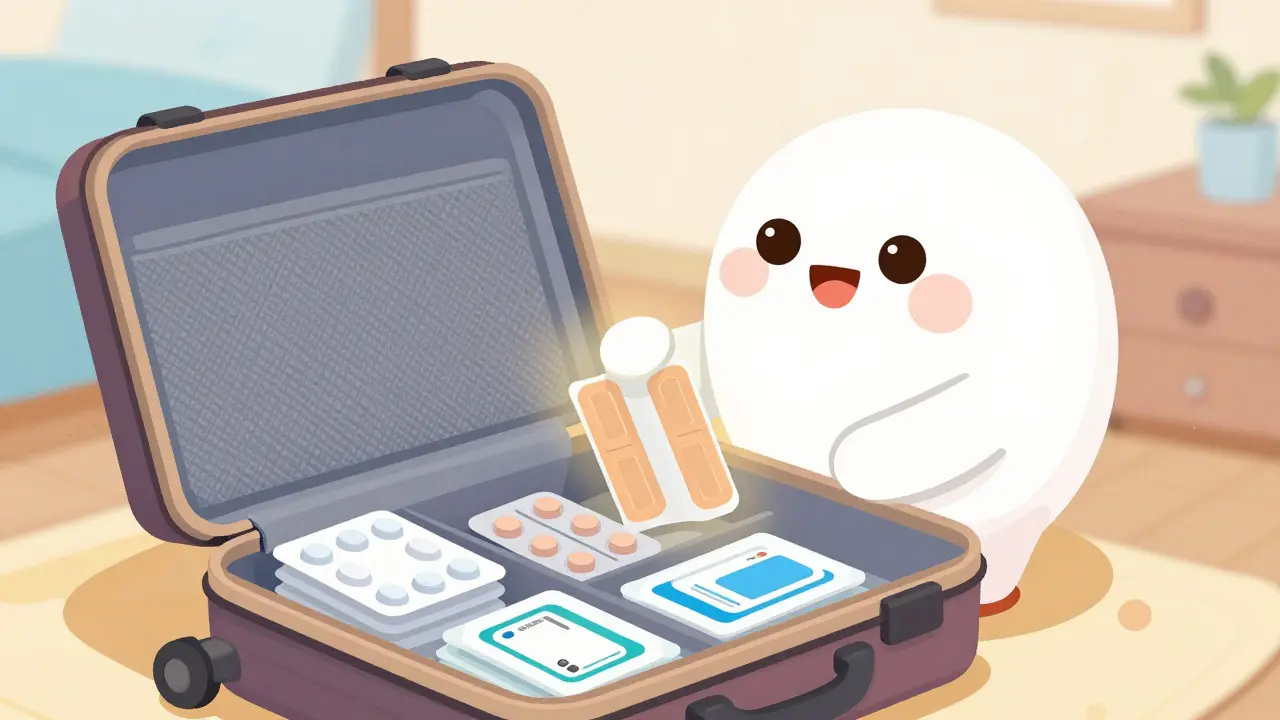
Moving from your home country to a foreign airport changes everything about how you handle illness. You lose access to your regular pharmacist, your insurance network shrinks, and language barriers can turn a simple cold into a medical mystery. A well-stocked Travel Medication Kitis a curated collection of medical supplies designed to manage minor illnesses and injuries away from familiar healthcare systems is the difference between a ruined vacation and a manageable hiccup. You don't need to carry a pharmacy, but you do need the right essentials tailored to your destination and personal health needs.
The Essential Medicines List
Your kit should cover the most likely problems you'll face on the road. Most travel experts agree that stomach issues and minor pain are the top complaints. Start by grabbing over-the-counter options that treat symptoms before they spiral. For pain or fever, include both IbuprofenAdvila nonsteroidal anti-inflammatory drug used for pain relief and reducing inflammation and acetaminophen. These work differently in your body, so having both gives you flexibility if one doesn't sit right with your stomach. Aim for at least ten tablets of each strength range like 200mg or 500mg per week of travel.
Stomach bugs are the classic travel disruptor. You need something to slow down diarrhea quickly so you stay hydrated. Pack loperamide tablets, specifically the 2mg strength, ensuring you have at least six doses ready. If you have a tendency toward constipation due to change in diet or stress, soluble fiber packets like psyllium husk help regulate digestion without causing loose stools. For indigestion or heartburn after local meals, calcium carbonate or famotidine tablets are compact and effective. Keep them in their original blister packs rather than loose pills to avoid confusion later.
Allergies often catch travelers off guard when pollen counts differ from home. Non-drowsy antihistamines like loratadine or cetirizine (10mg) are crucial because taking sleep-inducing allergy meds while driving or hiking isn't safe. Carry at least seven tablets to cover a typical weekend trip plus buffer time. For insect bites or mild skin rashes, a small tube of 1% hydrocortisone cream works wonders to calm itching and inflammation without requiring a prescription visit.
First Aid Supplies Beyond Pills
Medication isn't just about swallowing capsules. Physical injuries happen unexpectedly. Basic wound care keeps small scratches from getting infected in environments where hospitals might charge exorbitant fees. You need adhesive bandages in multiple sizes, at least four sterile gauze pads, and a roll of medical tape. Cleanse wounds with an antiseptic like povidone-iodine solution to kill bacteria effectively.
| Supply Type | Recommended Quantity | Purpose |
|---|---|---|
| Adhesive Bandages | 10+ assorted sizes | Cover minor cuts and abrasions |
| Gauze Pads | 4-count (4x4 inch) | Absorb bleeding on larger wounds |
| Antibiotic Ointment | 0.5oz tube (bacitracin/neomycin) | Prevent infection in open wounds |
| Antiseptic Cleanser | 1oz bottle | Clean skin before applying dressings |
Include a small pair of tweezers for splinters or ticks, but remember security restrictions regarding sharp objects. If flying internationally, place tools like scissors or safety pins in checked luggage since cabin regulations often prohibit them. Antibacterial ointment remains vital; bacitracin or neomycin prevents secondary infections that could escalate into cellulitis.
Tailoring to Your Destination
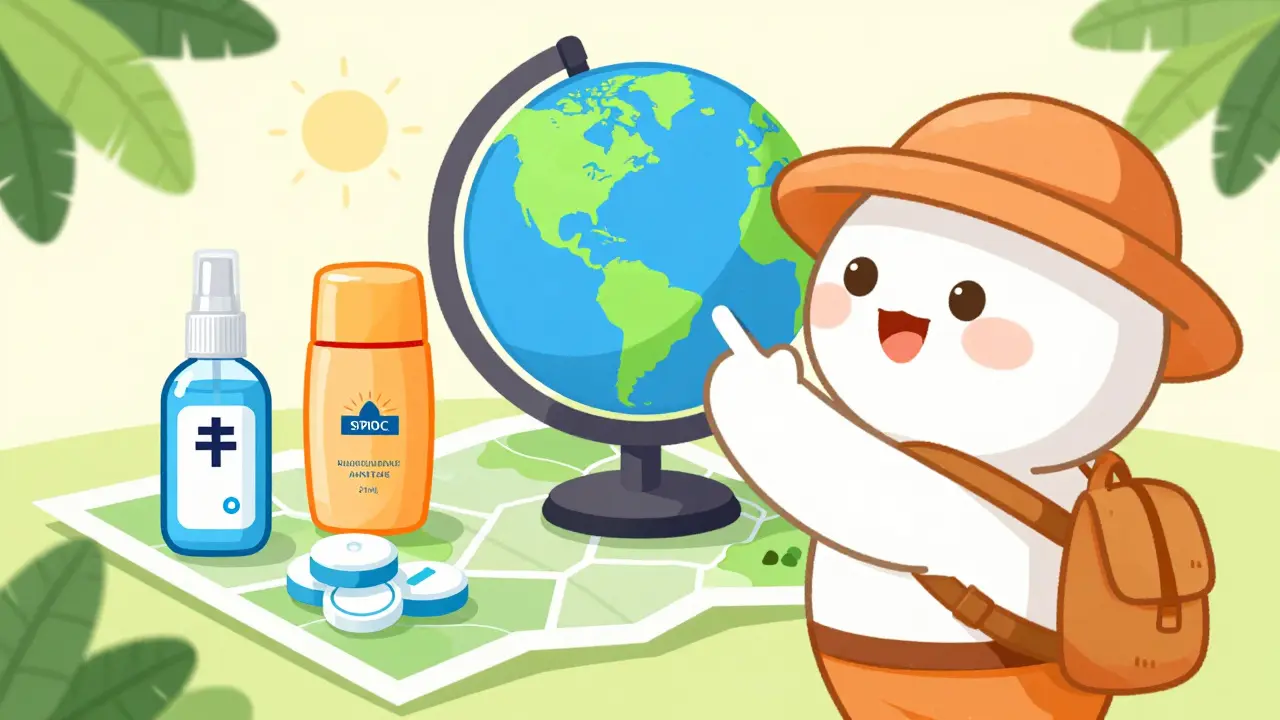
Where you go dictates what you take. Heading to a tropical region with questionable water quality? Water purification tablets are non-negotiable for backpacking or remote areas. If you are visiting high altitudes above 2,500 meters, altitude sickness is a real risk. Acetazolamide requires a prescription, so consult your doctor weeks before departure. For cities with heavy mosquito populations, pack insect repellent containing 20-30% DEET to prevent diseases like Dengue or Malaria.
Different regions present unique challenges. Southeast Asia might require robust anti-diarrheals, whereas a European city trip might focus more on motion sickness remedies if you're taking trains or ferries. Always check with your primary care provider about necessary vaccinations before leaving. The Centers for Disease ControlUS agency providing health advice for international travelers and organizations like the World Health OrganizationInternational body coordinating global health policies update these lists regularly.
Regulations and Documentation
Carrying medications across borders involves strict rules. Countries have varying laws about what counts as a controlled substance. Some common cold medicines contain pseudoephedrine, which is banned in Japan and several other Asian nations. Before packing anything stronger than basic vitamins, verify the customs regulations for your specific country. The Australian Therapeutic Goods AdministrationTGARegulatory body overseeing medicines in Australia advises checking with embassies beforehand.
Paperwork is just as important as the medicine itself. Carry a printed letter from your doctor listing your prescribed drugs, dosages, and stating they are for personal use. Include copies of prescriptions written using generic drug names, as trade brands vary globally. If you inject insulin or have needles, this letter protects you during airport security screening. Keep one copy in your bag and another separate in your carry-on wallet. This document acts as proof of necessity if authorities question your supply.
Organization and Storage Safety
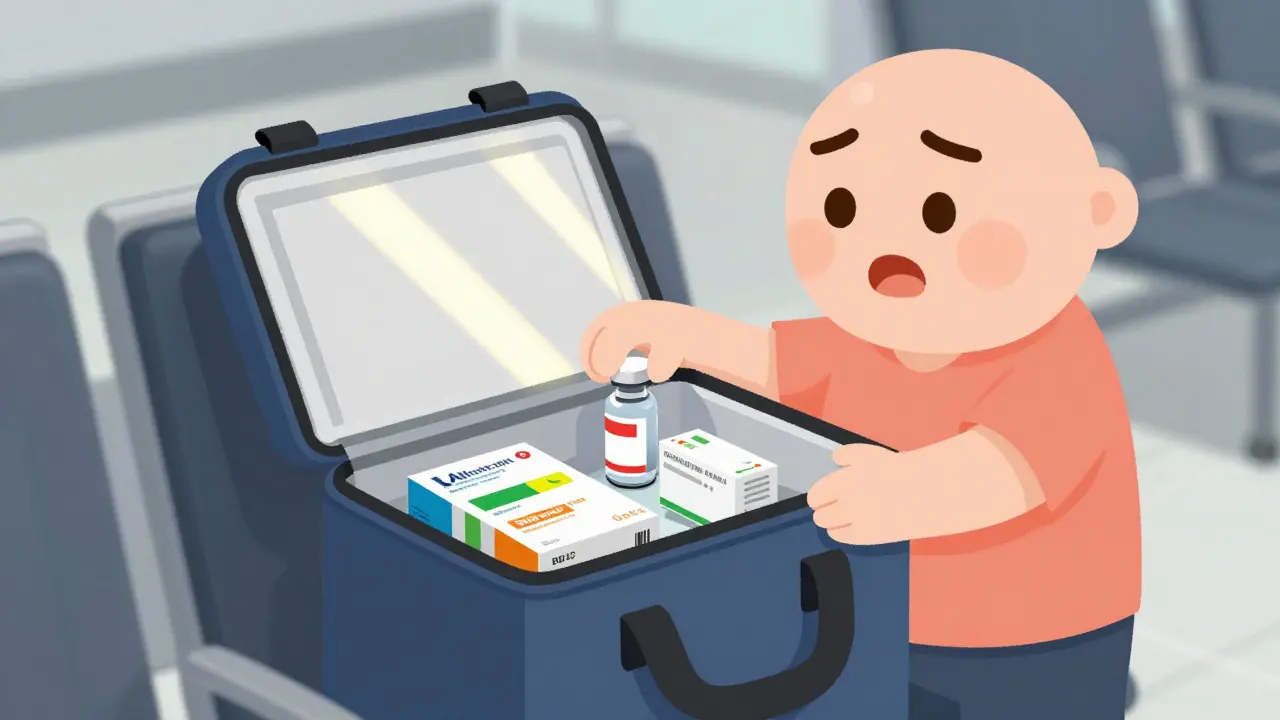
How you store your kit affects its effectiveness. Heat and humidity degrade many medications rapidly. Insulin, for example, loses potency if temperatures exceed 30°C for extended periods. Use a waterproof, crush-proof container like a rigid plastic box. Avoid storing critical meds in checked bags where temperature control is unknown. Instead, split your supply: keep one day's worth in your carry-on and the rest in your checked luggage. This way, if baggage gets lost, you aren't stranded without daily treatment.
Keep all items in their original packaging until you are settled in your accommodation. Blister packs clearly show expiration dates and dosage information, preventing dangerous mix-ups in a stressful environment. Label your container clearly so other family members know not to throw it away or accidentally ingest contents. If traveling with children, ensure their kit is age-appropriate and kept strictly separate from adult medications.
Special Considerations for Chronic Conditions
If you manage diabetes, heart disease, or asthma, your planning level increases. Bring twice the amount of medication you think you need. Delays happen, and refilling prescriptions abroad can take days. For diabetics specifically, obtain a medical certificate explaining why you carry syringes and needles. Airports frequently flag these items during X-ray scans. Carry emergency glucose sources like hard candies or tablets for unexpected low blood sugar episodes.
Families traveling with infants need specific formulations. Adult painkillers are unsafe for toddlers under two years old. Pack pediatric liquid versions of acetaminophen with accurate dosing tools like oral syringes. Consult a pediatrician to determine the exact weight-based dosages needed. A simple infant rash cream or electrolyte solution formulated for babies can prevent dehydration much faster than standard adult solutions.
Frequently Asked Questions
Can I bring liquid medication in my hand luggage?
Yes, medically necessary liquids are exempt from the standard 100ml limit. Keep them in clear bags and declare them at security checkpoints. Always carry a prescription label to support the exception.
Do I need a prescription for antibiotics when traveling?
Most countries require a prescription for antibiotics. While some travel guides suggest packing leftover courses, carrying them without a fresh prescription can lead to confiscation at customs. Always consult your doctor before leaving.
What if I forget to pack something essential?
Locate a local pharmacy upon arrival using translation apps. However, brand names differ globally. It is much safer to carry the generic name of your required medication on a card to show pharmacists.
Is there an expiration date for travel first aid kits?
Yes, medications expire. Check expiration dates six months before every trip. Expired ibuprofen or epinephrine may not work effectively during an emergency situation.
Should I tell my travel insurance company about my meds?
Absolutely. Disclose any pre-existing conditions. If you get sick due to a known condition and haven't declared it, claims for medical evacuation or treatment might be rejected.
How do I protect sensitive meds from heat?
Use a thermal cooler bag for items like insulin. Never leave your kit in a hot rental car. If possible, buy meds locally at your destination if the climate is extreme.
Are there apps to track my travel meds?
Yes, several health tracking apps exist. They help set alarms for doses across different time zones, ensuring you maintain consistent levels while adjusting for jet lag.

Sam Hayes
Keep meds in original packaging always helped me pass customs smoothly. Thailand tried flagging loose ibuprofen once but blisters worked. Never skip the prescription letter for anything controlled. Altitude meds need doctor sign-off weeks ahead though. Split supply between checked and carry-on bags just in case. Heat ruins insulin fast so thermal cases matter big time.
Will Baker
Oh wow suddenly we're pharmacists because someone Googled 'travel medicine' before booking flights. My advice would work better than generic drug pamphlets. Most people will never use 90% of this garbage anyway.
Dee McDonald
This is AMAZING info! I always forget loperamide until getting stranded somewhere weird. Antihistamines saved my beach vacation from jellyfish stings last summer too. Motion sickness patches work wonders on cruise ships if you ask me. Don't skimp on pediatric doses when traveling with littles. Emergency glucose tabs aren't scary they're lifesavers. Organization matters more than quantity honestly. Thermal cases save insulin during desert treks. Always keep doctor letters visible at security checkpoints.
Vicki Marinker
Exaggerated preparation anxiety.
Joseph Rutakangwa
Original blister packs help verify meds later. Language barriers make generic names crucial. Customs agents care about documentation.
Sakshi Mahant
In Southeast Asia street vendors sell effective antidiarrheals without prescriptions. Still recommend bringing your own trusted brands though. Local clinics often stock Western generics but quality varies wildly. Bring oral rehydration salts instead of relying on pharmacy runs. Mosquito nets worth investing in beyond repellents.
Rob Newton
Most travelers overdramatize medical risks. Healthy bodies rarely fail mid-trip. Save money buying local meds instead of carrying dead weight.
The Charlotte Moms Blog
!!!WARNING!!! Liquid meds require airline approval!!! Many people get kicked off flights because of expired prescriptions!!! ALWAYS CHECK TSA guidelines before boarding!!! Security lines will detain unlabeled containers!!! Pediatric formulations must have dosing tools attached!!!
Aysha Hind
Big Pharma plants these travel guides to scare you into buying overpriced kits. Real solutions exist through natural immunity building. Governments want dependent populations reliant on their systems. Keep basic herbs and home remedies documented properly instead of corporate drugs.
Lawrence Rimmer
The true essence lies not in pills but in preparedness consciousness. Modern travel reduces human adaptability to environmental challenges. We've become fragile creatures requiring external validation through medical artifacts. Perhaps genuine resilience emerges from trusting biological intuition rather than manufactured dependencies. The journey itself becomes the cure when viewed through existential readiness lenses.
HARSH GUSANI
Indian tourists never carry enough meds then beg locals for help. Just bring standard painkillers and diarrhea tablets. Everyone gets sick sometimes but weaklings panic unnecessarily. 💊🛑
Hudson Nascimento Santos
Perhaps true security comes from understanding how our modern detachment from natural healing creates unnecessary vulnerabilities. When we treat every symptom as emergency we lose fundamental self-reliance skills. Yet pragmatic planning bridges philosophical ideals with practical necessities. Balance exists somewhere between hoarding pharmaceuticals and embracing calculated risks.